
By The Pulseline News Desk
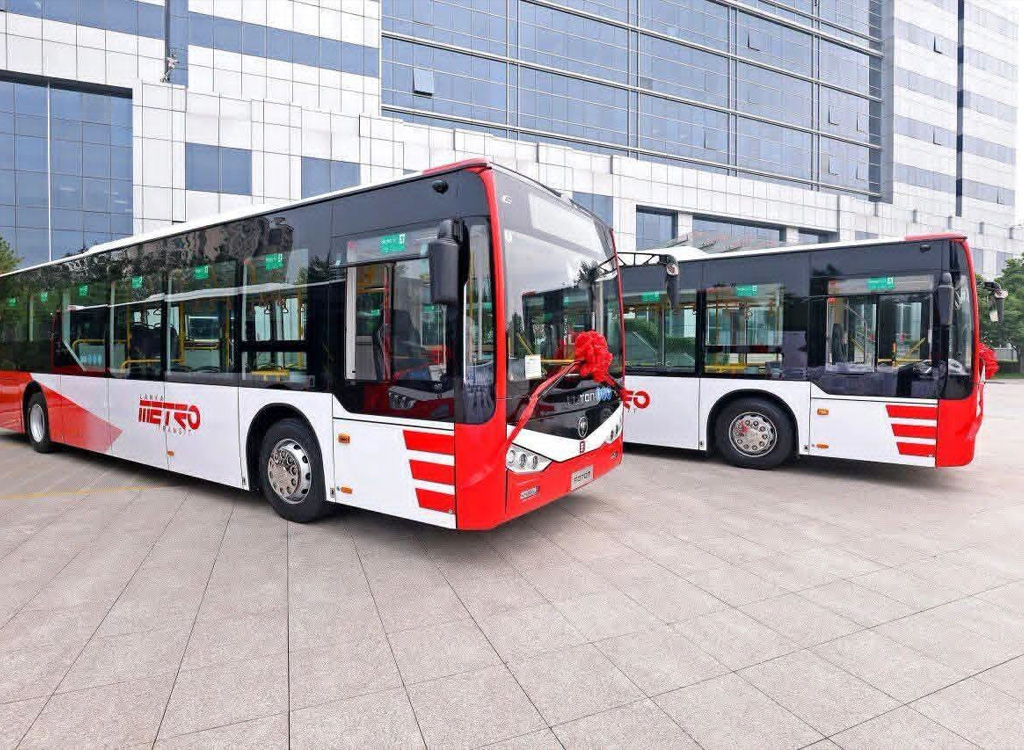
The launch of Sri Lanka’s new Metro bus service under the Sri Lanka Transport Board (SLTB) has triggered a fresh debate over the future of public transportation, with private bus operators questioning the project’s legality, financial viability, and long-term benefits.
The controversy emerged after the Private Bus Owners Association (PBOA) publicly criticised the government’s decision to introduce the new fleet, arguing that the initiative could become an additional burden on taxpayers while failing to achieve its stated objectives.
PBOA Chairman Gamunu Wijeratne told the media that the Metro buses were being operated in a manner that raises legal concerns and questioned the rationale behind importing and deploying the vehicles. He claimed the project had been promoted to the public as a transformative solution to urban transport challenges but would ultimately struggle to attract motorists who currently rely on private vehicles.
According to Wijeratne, the buses consume more diesel than conventional public buses, potentially increasing operating costs at a time when Sri Lanka continues to face economic pressures and high fuel expenditure. He warned that any losses generated by the service would eventually have to be covered through public funds.
“The public will have to bear the cost if the project fails to generate sufficient revenue,” he has noted, calling for greater transparency regarding the financial model underpinning the service.
New approach to urban transport
The Metro bus initiative forms part of broader efforts to modernise Sri Lanka’s public transport sector and improve commuter experiences, particularly in heavily congested urban corridors.
Successive governments have explored various strategies to encourage greater use of public transport as a means of reducing traffic congestion, fuel consumption, and environmental pollution. These efforts have included proposals for bus priority lanes, integrated ticketing systems, railway modernisation projects, and the introduction of higher-capacity buses designed to carry larger numbers of passengers during peak hours.
Officials involved in transport planning have long argued that improving comfort, reliability, and efficiency is essential if public transport is to compete effectively with private vehicle use, particularly in the Colombo metropolitan area where traffic congestion has become a significant economic challenge.
The newly introduced Metro buses are intended to offer a more modern travel experience, with larger passenger capacity and upgraded facilities compared with many aging buses currently operating on public roads.
Longstanding tensions
The latest dispute also highlights longstanding tensions between the SLTB and private bus operators, who together form the backbone of Sri Lanka’s bus transport network.
Private buses account for a substantial share of daily passenger transport across the country and have frequently raised concerns whenever new state-led transport initiatives are introduced. Operators often argue that government-backed services enjoy advantages through public funding and subsidies that are not available to private businesses.
At the same time, commuter groups and transport experts have regularly called for stronger state intervention to improve service standards, safety, scheduling, and passenger comfort.
Transport analysts note that balancing the interests of public and private operators remains one of the biggest challenges facing policymakers. While private operators play a crucial role in maintaining extensive route coverage, governments often view direct investment in public transport infrastructure as necessary to address service gaps and improve mobility.
Questions over financial sustainability
A key issue raised by critics of the Metro bus project concerns financial sustainability.
Public transport services worldwide often operate under varying levels of government support, particularly where social service obligations outweigh commercial considerations. Advocates of public investment argue that evaluating transport projects solely on profit and loss figures overlooks broader economic benefits such as reduced traffic congestion, lower fuel consumption, shorter travel times, and environmental gains.
However, opponents contend that any publicly funded transport initiative must demonstrate clear value for money, especially as Sri Lanka continues to manage fiscal constraints following its recent economic crisis.
The PBOA has therefore called on authorities to disclose detailed information regarding operational costs, fuel efficiency, expected passenger volumes, and projected revenue.
As criticism mounts, the government and the SLTB have yet to respond publicly to the allegations made by the PBOA.











Leave a comment