
By The Pulseline News Desk
For today’s children, climate change is no longer a distant environmental concern. It is becoming an everyday reality that shapes where they live, how they learn, what they eat, and even their health and safety.
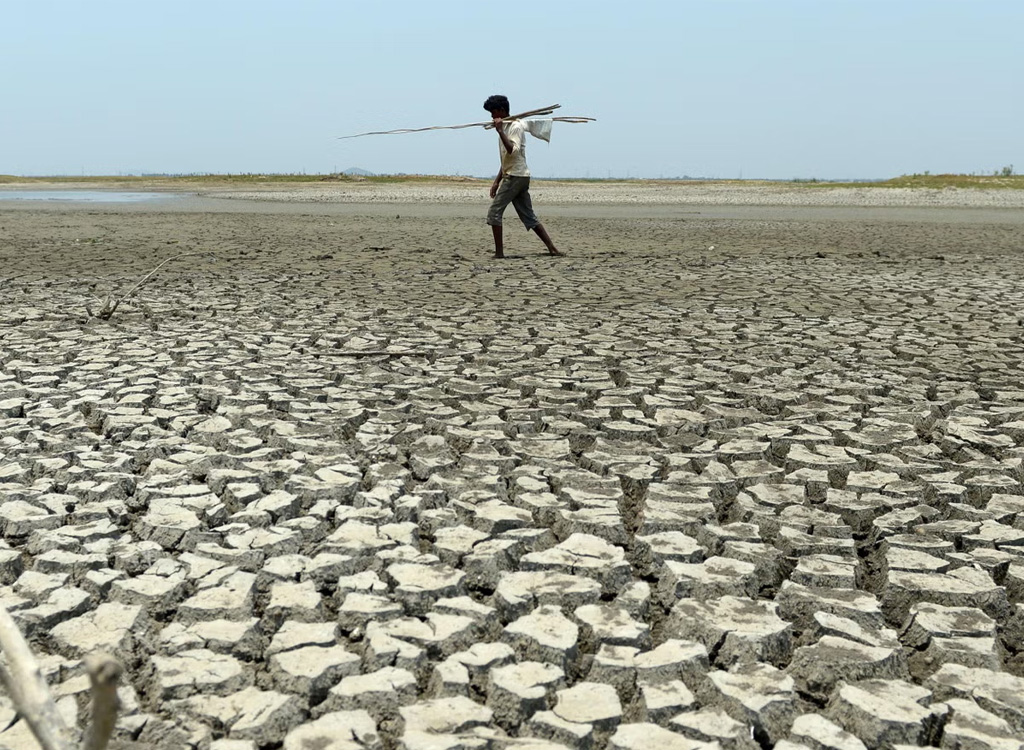
A new report released by the United Nations Children’s Fund (UNICEF) has highlighted the scale of the challenge, warning that nearly all of the world’s children are now exposed to at least one climate or environmental hazard. According to the report, as many as 1.8 billion children face risks associated with drought, while 1.2 billion are exposed to extreme heat.
The findings underscore a growing global concern: children are among the most vulnerable victims of climate change, despite contributing the least to the environmental crisis.
A generation on the frontline
Climate-related hazards such as floods, droughts, heatwaves, cyclones, and air pollution have intensified across many parts of the world over the past decade. While these events affect entire populations, children face unique risks because of their physical and developmental vulnerabilities.
Extreme heat can lead to dehydration, heat stress, and disruptions to learning. Droughts threaten food security and access to clean water, increasing the risk of malnutrition and disease. Floods and storms can damage schools, displace families, and disrupt essential health services.
UNICEF warns that climate shocks are increasingly undermining children’s rights to health, education, protection, and development.
The concern is particularly acute in developing countries, where communities often have fewer resources to adapt to changing environmental conditions.
Sri Lanka’s children face similar threats
Although Sri Lanka is a relatively small contributor to global greenhouse gas emissions, it remains highly vulnerable to climate-related disasters.
In recent years, the country has experienced a series of extreme weather events, including severe floods, prolonged droughts, landslides, and unusually high temperatures. These events have increasingly affected children and young people across the island.
During periods of intense rainfall, schools in several districts have been forced to close due to flooding, damaged infrastructure, and safety concerns. Drought conditions in the dry zone have affected water availability for households and schools, while rising temperatures have raised concerns about the health and wellbeing of students.
The impact extends beyond the classroom. Agricultural communities, which form the backbone of many rural economies, are increasingly vulnerable to climate variability. Crop failures caused by droughts or floods can reduce household incomes, affecting children’s nutrition, education, and overall quality of life.
Health experts have also warned that changing climatic conditions may contribute to the spread of vector-borne diseases such as dengue, which continues to pose a significant public health challenge in Sri Lanka.
Climate change and education
One of the less visible consequences of climate change is its impact on education.
When disasters strike, schools often become temporary shelters for displaced communities or are forced to suspend activities. Frequent disruptions can lead to learning losses, particularly for children from disadvantaged backgrounds who may struggle to recover lost instructional time.
Globally, education systems are increasingly being called upon not only to respond to climate-related emergencies but also to prepare children for a future shaped by environmental change.
In Sri Lanka, efforts are underway to integrate environmental education and climate awareness into school activities, helping students better understand sustainability, disaster preparedness, and environmental stewardship.
The mental health dimension
Climate change is also affecting children psychologically.
Around the world, researchers have documented increasing levels of climate anxiety among young people who are concerned about environmental degradation, extreme weather events, and uncertainty about the future.
Children who experience disasters firsthand may face trauma, stress, and disruptions to their sense of security. Experts emphasise the importance of strengthening community support systems and ensuring access to psychosocial assistance following climate-related emergencies.
Building climate-resilient communities
Addressing the risks faced by children requires more than disaster response. Experts argue that governments must invest in long-term adaptation measures that strengthen the resilience of communities and public services.
For Sri Lanka, this includes improving disaster early warning systems, protecting watersheds and forests, strengthening climate-resilient agriculture, safeguarding schools and health facilities, and expanding access to clean water.
Children themselves are increasingly becoming advocates for environmental action. Across the country, youth groups, schools, and community organizations have launched tree-planting initiatives, waste management projects, and awareness campaigns aimed at promoting sustainable practices.
Urgent global responsibility
The UNICEF report serves as a stark reminder that climate change is not only an environmental issue but also a child rights issue.
The decisions made today about emissions, conservation, urban planning, and disaster preparedness will shape the lives of future generations. For countries like Sri Lanka, which face growing climate risks despite contributing little to the global problem, building resilience has become both a necessity and an investment in the wellbeing of children.
As temperatures rise and weather patterns become increasingly unpredictable, the challenge facing governments, communities, and international organisations is clear: ensuring that children are protected from the escalating impacts of a changing climate.
For the world’s youngest generation, the climate crisis is not a future threat. It is already unfolding around them, making urgent action more important than ever.











Leave a comment