
By The Pulseline News Desk
Sri Lanka’s efforts to reduce plastic pollution through the plastic shopping bag charge risk losing momentum unless authorities ensure the policy is enforced consistently across the country, according to the Sri Lanka Environmental Action Network (SLEAN).
While welcoming the Central Environmental Authority’s (CEA) initiative to discourage the use of single-use plastic bags, the environmental organisation says uneven implementation by supermarkets, retail outlets and small businesses is weakening the policy’s intended impact.
In a statement, SLEAN noted that despite the introduction of the plastic bag charge, many businesses continue to provide plastic shopping bags free of charge or apply the fee inconsistently. This, the organisation argues, creates an uneven playing field for businesses that comply with the regulations while reducing the incentive for consumers to switch to reusable alternatives.
“Policies can only deliver meaningful environmental benefits when they are implemented fairly and consistently,” the organisation said, urging the CEA to intensify monitoring and enforcement efforts.
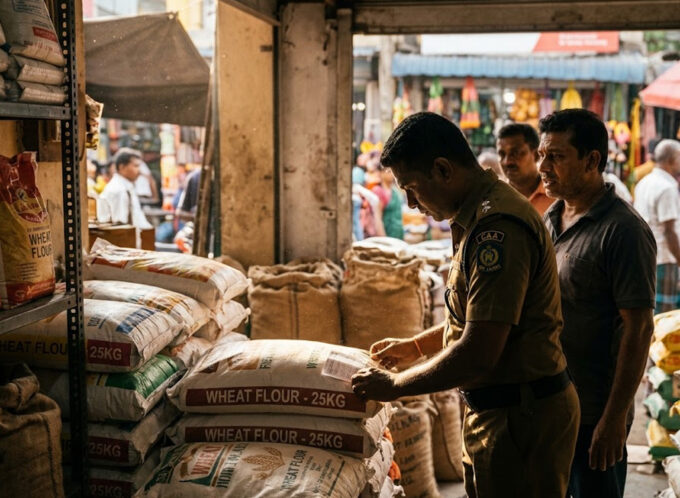
SLEAN called on the environmental regulator to conduct regular inspections of businesses, ensure compliance with the charging mechanism and take appropriate action against establishments that fail to follow the rules.
Beyond enforcement, the organisation emphasised the importance of public education in changing consumer behaviour. It urged the CEA to expand awareness campaigns highlighting the environmental consequences of plastic pollution and the long-term benefits of reducing reliance on single-use plastics.
The organisation also encouraged consumers to make reusable bags part of their daily shopping habits while promoting affordable and sustainable alternatives, including cloth bags and biodegradable options.
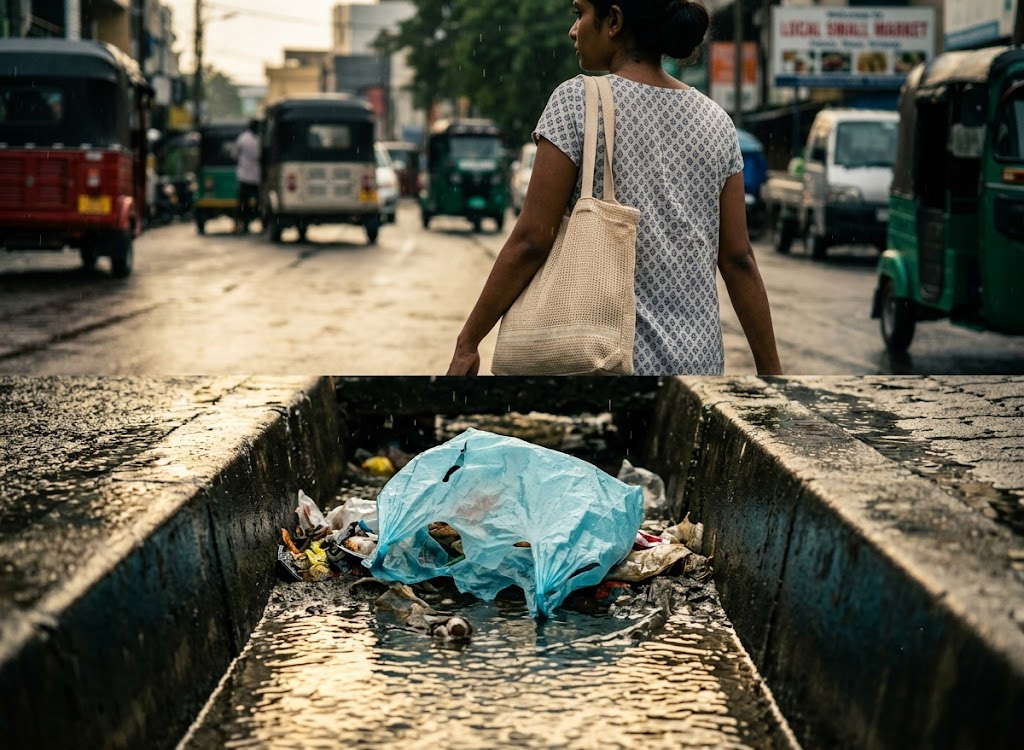
Plastic pollution remains one of Sri Lanka’s most pressing environmental challenges. Discarded plastic bags frequently clog drainage systems, contribute to urban flooding, pollute rivers and beaches, and pose serious threats to marine life and wildlife. Environmental experts have also warned that the widespread use of single-use plastics has significant public health and economic implications, particularly for communities dependent on clean waterways and coastal ecosystems.
SLEAN said the plastic bag charge represents an important policy tool in addressing the country’s growing plastic waste problem, but stressed that its success depends on consistent implementation by businesses and widespread public participation.
As Sri Lanka continues to grapple with the environmental costs of plastic pollution, environmental advocates say stronger enforcement, greater public awareness and closer collaboration between regulators, businesses and citizens will be essential to ensuring the plastic bag charge achieves its intended environmental benefits.












Leave a comment