
Sri Lanka did not agree to the request, officials said, and has tried to remain neutral in the U.S.-Israeli war in Iran
By Anupreeta Das and Pamodi Waravita
The United States sought permission to land and park two military aircraft loaded with arms and ammunition in Sri Lanka two days before it first dropped bombs on Iran, according to Sri Lankan officials.
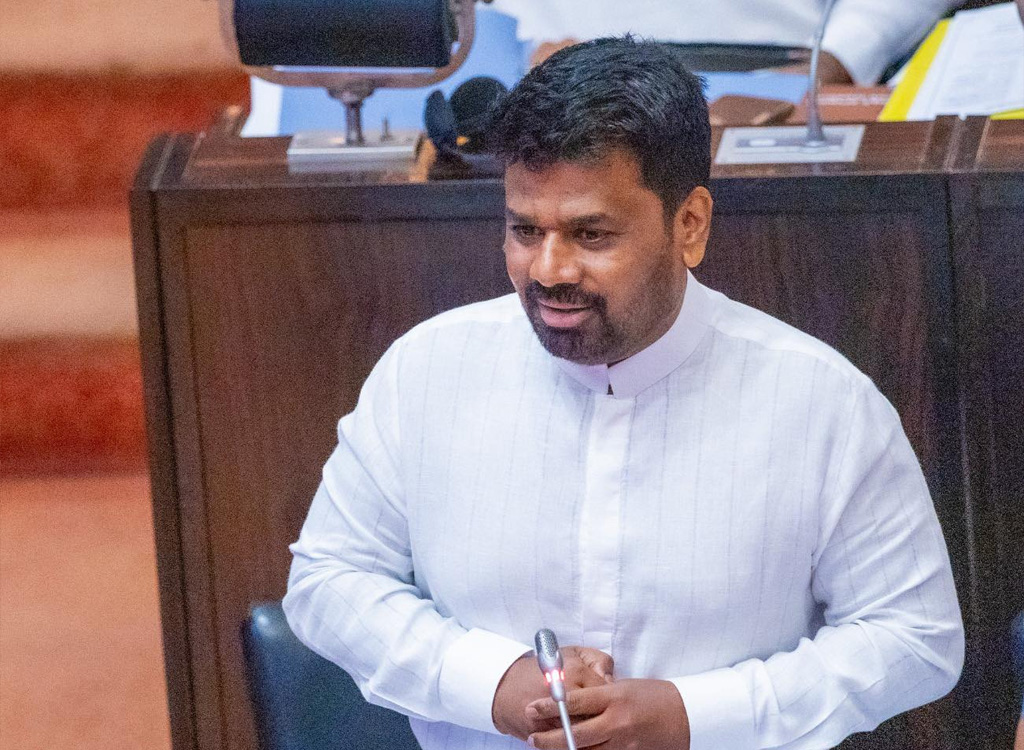
Sri Lanka was evaluating the request when the United States and Israel started the war in Iran, on Feb. 28, and declined it, citing its neutrality on conflict in the Middle East, officials from the defense and foreign ministries told The New York Times. President Anura Kumara Dissanayake of Sri Lanka confirmed those accounts in a speech to Parliament on Friday.
The United States did not pursue its request after the war began or explain why it had asked, the Sri Lankan officials said.
The request came at roughly the same time that the Sri Lankan government was deciding whether to accommodate a separate request from Iran to dock three of its warships in its waters, which it ultimately declined. Days after the war started, the United States torpedoed an Iranian warship off the coast of Sri Lanka. The Sri Lankan government is now hosting the survivors of that strike, as well as sailors from another Iranian warship.
The U.S. request and Sri Lanka’s reluctance to accommodate it are another example of the diplomatic balancing act that many small countries are facing as they try to avoid being drawn into the war with Iran.
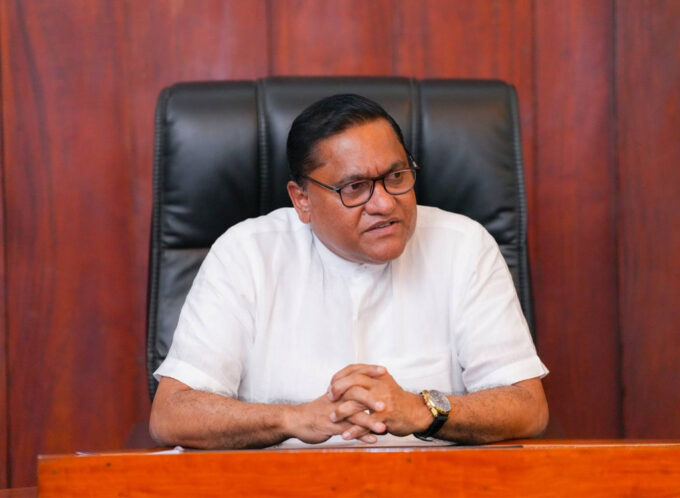
The United States, which sent the message to Sri Lankan officials via its embassy in Colombo, did not provide a reason for wanting to keep its planes in the country, Vijitha Herath, Sri Lanka’s minister of foreign affairs, said in an interview on Thursday.
“They only asked for airport facility to park,” he said. The United States was “surprised but not upset,” he said in a later message, adding that the two countries remained on good terms.
On Friday, Dissanayake paid an unexpected visit to Parliament and said that “the United States requested permission for two naval fighter aircraft, currently near Djibouti,” to land at Mattala airport.
The U.S. request came after the Iranian request, Dissanayake said. Even as his government was studying the two requests and awaiting details, officials were clear about maintaining Sri Lanka’s neutrality, “especially since signals of military conflict were already emerging at the time,” he said.
“We denied permission to both,” he added.
The U.S. Embassy in Colombo did not immediately respond to a request for comment, and the Pentagon did not respond to questions submitted on Wednesday.
Under normal circumstances, the American request would not have been unusual. Sri Lanka and the United States have had military ties for decades, and the island nation is strategically important for U.S. goals in the Indo-Pacific region.
Sri Lanka and the United States have cooperated on supply and logistics involving military equipment in the past, said Prasad Kariyawasam, a former secretary of the foreign ministry. U.S. aircraft have used Sri Lankan airports to drop off and pick up war-related equipment several times in the past, “but that’s not if a war is going on,” Kariyawasam said.
On March 4, the United States torpedoed the Iranian warship Dena close to the port city of Galle, in southern Sri Lanka, and the country was reluctantly drawn into the conflict. Sri Lanka’s navy rescued the survivors of the Dena, and when a second Iranian warship, the Bushehr, had engine trouble, Sri Lanka was obligated to allow the frigate to port, and to allow its crew members to enter.
The country’s refusal to grant permission to the United States to keep its planes there, and its decision to harbor the 32 survivors of the destroyed Dena and the more than 200 crew members onboard the Bushehr, has not led to a fallout with the United States, Sri Lankan officials said.
Sergio Gor, the U.S. ambassador to India and special envoy for South Asian affairs, met Dissanayake this week during a brief visit to Colombo. They discussed trade and the countries’ mutual cooperation.
The United States is Sri Lanka’s biggest export market for apparel, and it has struggled in the past year under the tariffs imposed by President Trump.
Source: New York Times






Leave a comment