
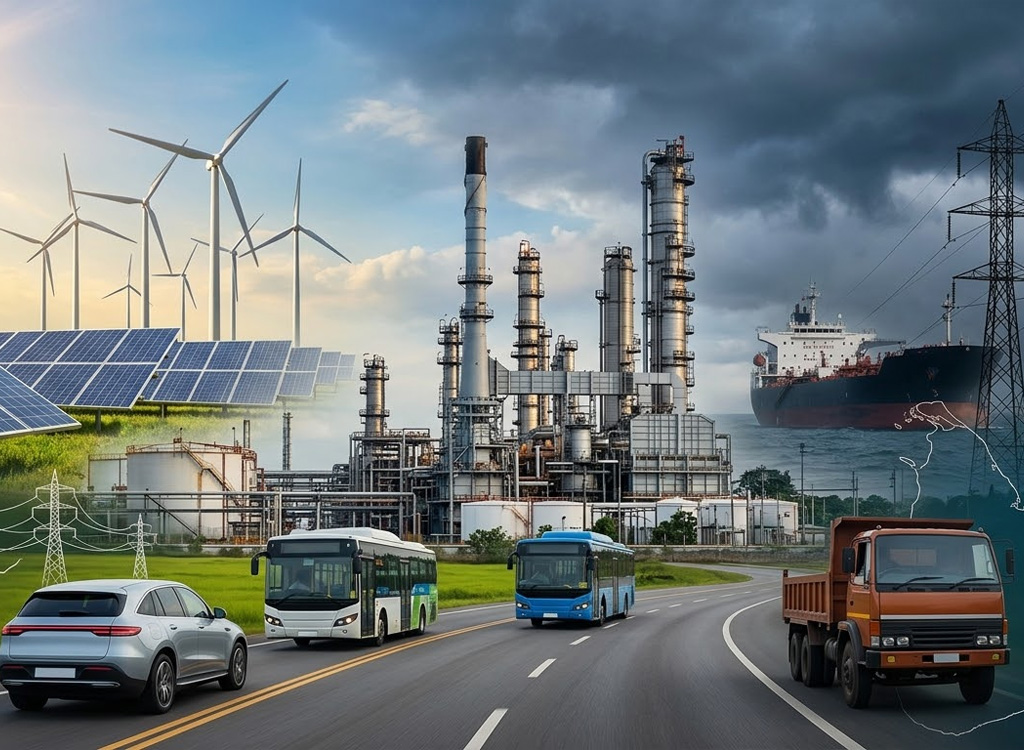
Sri Lanka’s vulnerability to global energy shocks has rarely been subtle. Each time geopolitical tensions intensify in the Middle East or supply disruptions ripple through international markets, the impact travels swiftly into the country’s economy. Higher oil prices do not remain confined to global trading floors; they translate directly into rising fuel costs, pressure on electricity generation, increased transport expenses, and ultimately a broader inflationary push that affects households and businesses alike.
Sri Lanka produces virtually none of the oil it consumes. Transport runs overwhelmingly on petroleum fuels, large segments of industry rely on it, and the electricity system still turns to oil-based generation when hydropower output falls short or demand rises unexpectedly. In other words, the cost of keeping the economy moving is largely determined by external forces beyond the country’s control.
Such dependence carries macroeconomic implications. Fuel imports have long been among the largest components of Sri Lanka’s import bill, placing consistent pressure on foreign exchange reserves. When global prices surge, the effect is immediate, as the country must either allocate more scarce foreign currency to maintain supply or pass the cost onto domestic consumers through higher prices.
The economic crisis of 2022 exposed the fragility of this arrangement with unusual clarity. Fuel shortages did not merely inconvenience motorists; they disrupted transport networks, curtailed industrial activity, and forced the return of prolonged power cuts. What appeared on the surface to be a fiscal and debt crisis also revealed the deeper vulnerability of an economy that depends so heavily on imported energy.
Yet, the lesson was never simply about crisis management. Even in periods of relative stability, Sri Lanka remains exposed to external energy shocks. A geopolitical confrontation thousands of kilometres away can still determine the cost of running the country’s buses, factories, and power plants.
Reducing that exposure requires more than adjustments in pricing formulas or procurement strategies. Sri Lanka possesses the natural advantages to begin that transition. Hydropower has historically provided a substantial share of electricity generation, demonstrating the role that domestic renewable resources can play in the national energy mix. However, hydropower alone cannot meet the country’s expanding energy demand, particularly as rainfall patterns grow increasingly unpredictable.
This reality brings solar and wind energy into sharper focus. The island’s solar potential is considerable. With strong sunlight across much of the year, distributed rooftop solar installations could reduce the pressure on the national grid during peak daylight hours. Expanding solar generation at scale would also gradually displace the need for oil-based power generation, particularly during periods when electricity demand rises during the day.
Wind energy offers a second and equally compelling opportunity. Coastal regions and certain inland corridors possess wind conditions capable of supporting large-scale generation. Multiple studies have identified high-potential zones where wind farms could operate efficiently, yet the pace of development has remained slower than the country’s potential would suggest.
Renewable energy projects, however, require long-term investment, and investors are unlikely to commit capital where regulatory frameworks appear uncertain, or approval processes become protracted. Clear procurement mechanisms, stable pricing arrangements, and predictable project timelines will therefore be essential if Sri Lanka is serious about expanding renewable capacity.
Equally important is the modernisation of the electricity grid itself. Solar and wind power do not always generate electricity at the exact moment demand peaks, which means the system must be capable of managing fluctuations in supply. Investments in transmission infrastructure, grid management technologies, and energy storage will be necessary to ensure that renewable generation can be integrated efficiently into the national power system.
The transport sector presents another dimension of the challenge. A substantial portion of Sri Lanka’s petroleum consumption is linked to vehicles on the road. Over time, reducing that demand will require improvements in public transport networks, incentives for electric mobility, and stricter energy efficiency standards for vehicles entering the market.
None of these measures offer quick solutions. Oil will continue to play a role in Sri Lanka’s energy system for years to come. However, the direction of policy and investment will determine whether that role gradually diminishes or continues to dominate the country’s energy landscape.
Source: The Sunday Morning
Disclaimer: The views and opinions expressed in this article are those of the writer and do not necessarily reflect the official position of this publication.










Leave a comment