
By Dinouk Colombage
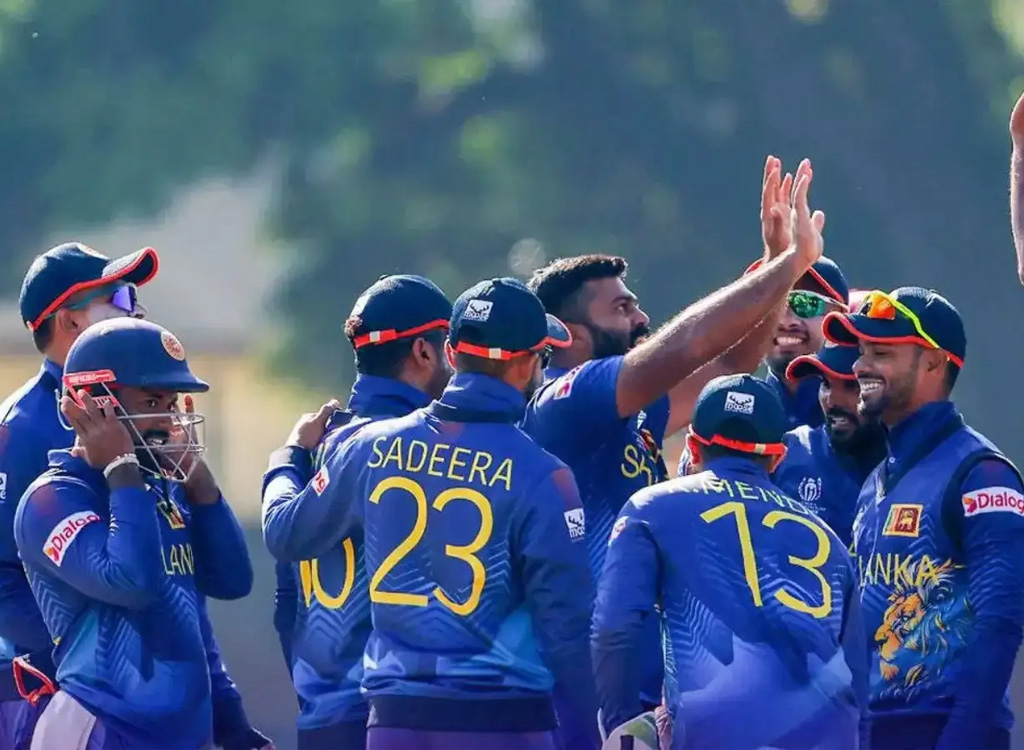
Sri Lanka Cricket hit a new low with their untimely exit from the ongoing T20 World Cup. The premature departure by the team was made that much worse by the fact that Sri Lanka was co-hosting the tournament. For the cricket obsessed nation, co-hosting World Cups has not been a happy affair – in 2011 Sri Lanka co-hosted the ODI World Cup (50 over format) alongside India and Pakistan. On that occasion the team made it to the finals, where they met India in front of a jam-packed Wankhede Stadium in Mumbai. Despite Mahela Jayawardena’s heroics, with the bat a less than impressive demonstration with the ball allowed India to lift the trophy. Fast forward a year and once again Sri Lanka was hosting a World Cup, only this time it was the shortest format of the game (T20 cricket). Once again the team fell short at the final hurdle, failing to overcome a modest total set by tournament favorites West Indies. There is, however, one defining feature that sets apart the 2026 T20 World Cup and the previous two global tournaments co-hosted by Sri Lanka – passion and commitment.
When Sri Lanka’s T20 captain, Dasun Shanaka, fronted up to the media following their loss against New Zealand on Wednesday (25 February), it was a sign of how far Sri Lanka Cricket has fallen.
History of theatrics
Post match press conferences have a history of theatrics, both in the face of victory and defeat. Australia’s captain in the early 1980s, Kim Hughes, resigned in tears following a series defeat to the West Indians in Australia. Walking out mid way through a pre-prepared statement, Hughes showed the world that an Australian sportsperson could be broken. Following the 2016 T20 World Cup final, West Indies’ Man-of-the-Match, Marlon Samuels, turned up for the post-match press conference still in his batting pads. With his legs cocked up on the table, Samuels personified the West Indian flair and arrogance that screamed “you came to watch me perform, and I am going to keep performing”.
While there have been many more such performances, these two in particular marked shifting moments in their respective country’s cricketing trajectory. For the West Indies 2016 was the last time either of their men’s or women’s teams have lifted a global trophy, since then it has been a downward spiral. For Australia 1984 marked the moment cricket in Australia began its ascent to top of the cricketing world, a position from which they continue to fight off challengers.
However, Dasun Shanaka’s post-match press conference has unveiled a slew of problems that have encroached onto the game. By the 12th over of New Zealand’s innings the hosts had the visitors six (6) wickets down for only 84 runs. The home crowd was singing and dancing in the stands, the neutrals were grumbling that they were being treated to a one-sided rout. They were correct. By the 12th over of Sri Lanka’s innings the home side was six (6) wickets down for only 59 runs. Somewhere in between New Zealand had collected themselves a further 85 runs, and was in the process of knocking the co-hosts out of the World Cup.
The dancing had ceased, but not the singing. Only this time the chorus was a sarcastic chant of “New Zealand”, the home supporters were directing their frustration at a team that has consistently snatched defeat from the jaws of victory. You would be forgiven if you assumed Sri Lanka Cricket was simply exploring new and fun ways to lose a game. By the end of the match the frustration had spilled out on to social media, vloggers were outside the stadium with their microphones ready to capture the anger of the supporters.
It is here that Sri Lanka Cricket threatens to take a turn for the worse.
Shattering image
Sri Lanka is no stranger to the suppression of dissent and opposition. On the political stage, the country has had a long and bloody history with silencing dissent from both the media and the Opposition political blocs. However, for decades Sri Lanka Cricket, while rife with political patronage and influence, has been able to rise above the common thuggery that has so often been associated with politics.
This all changed on Wednesday night, when Shanaka fronted up to the media. Drawing attention to the crescendo of anger and disappointment from the fans, the team captain resorted to seeking political cover. Describing the mounting criticism surrounding the team’s performance as negatively impacting the mental health of the players, Shanaka called on the government to intervene and silence the negativity. In laymen’s terms – deploy whatever measures are at the government’s disposal to crackdown on the public who were voicing their anger and frustration.
Ever since the 1996 World Cup victory, cricket in Sri Lanka has been used to galvanize the public. During the 2007 World Cup final, while Sri Lanka was attempting to chase down the imposing target set by Australia, the LTTE launched a surprise air-raid on the capital of Colombo. Despite the country being in the midst of civil war, a fact that was driven home by the air-raid, the public still found solace and unity in cheering on the team. Politicians, ever the opportunists, were never far from pulling out the cricket team to prop themselves in the face faltering approval ratings. Former President Mahinda Rajapaksa was a frequent visitor to matches being played in Sri Lanka. Unfortunately for him the team seemed to lose more than they won whenever he was in attendance. President Anura Kumara Dissanayake has also taken it upon himself to call upon the cricket, with his most recent attendance being at the high-profile India Vs Pakistan match held in Colombo recently.
Despite the political patronage, and certainly the political influence, Sri Lanka’s cricket team has found itself able to rise above political maneuvering and maintain its position as a unifying symbol for the country. In the space of a few ill-thought out sentences, Sri Lanka’s underperforming captain has shattered that hard fought image.
It is no surprise to anyone who follows Sri Lanka Cricket to say that the current crop of players have failed to live up to the standards set by those who came before them. The World Cup winning team of 1996 were a group of semi-professionals who found time in between their days jobs, mostly at banks or Singer, to train. Many of the players who were residing outside of Colombo were often put up by the seniors who had homes in Colombo. Apart from the superstars such as Aravinda de Silva, Sanath Jayasuriya, or the imposing Captain Cool Arjuna Ranatunga, the players of the 1990s were relatively unknown individuals, exploding into the limelight through their underdog performances on the field. Fast forward a decade and Sri Lanka Cricket was an established brand, a mid tier team capable of toppling the best. Standout players on the world stage such as Mahela Jayawardena and Muttiah Muralitharan were household names. Known not only for their displays of cricketing prowess, but also for their awkward yet fun loving appearances in television adverts. While the high paying contracts followed these players, so did the charity efforts. They played, they earned and many gave back to the country.
Unfortunately, today Sri Lanka has been handed a crop of players who are best known for their social media theatrics rather than performances on the field. Instagram and TikToks accounts are the main calling cards of these players. Populated with visuals from social outings, it is conspicuously devoid of references to the sport they are being paid to play. Compare this to the social media accounts of foreign athletes which suggest that those individuals have no life outside of training and competitions. In fact, social media was abuzz a few days ago with footage emerging from a Sri Lankan cricketer’s daughter’s birthday party at a Colombo hotel. (It did take this writer a few minutes to track down confirmation that this player is in fact a member of the current team). While the high-flying lifestyles of professional sportsmen/women is nothing new to Sri Lanka Cricket, with the older crowds no doubt remembering the days of Sri Lanka’s Cricketers partying it up at Cascades (a nightclub popular in the 1990s in Colombo), the overt promotion of these festivities was an uncommon occurrence.
At a crossroad
The cricketers of the past were individuals who were lucky enough to get paid to play a sport they love, and with it came the added benefit of representing their country on the world stage. Today Sri Lanka Cricket has fallen to a level of heightened individualism and self-promotion. An IPL (Indian Premier League) contract, and with it the accompanying sponsorships, are far higher on the priority list than performing for the thousands of citizens that turn up in support of the game and the team. Dasun Shanaka’s inexcusable call for the silencing of the frustration expressed by the supporters is symptomatic of the belief that has crept into Sri Lanka Cricket, which is that they are bigger than the game and bigger than the supporters.
Sri Lanka has been thrown out of the T20 World Cup ahead of the knockout stage, they are co-hosting a tournament where their team will no longer feature. For the supporters the excitement that was building around the tournament is gone, the matches are now nothing more than noise in the background as families return to their routine evenings at home. For the players, their failure on the big stage should serve as a wake up call – unfortunately all signs point to the fact that simply excuses will be made, and self-reflection will be ignored. In a few weeks the team will be “hosted” by Afghanistan, a tour that was originally being viewed by the supporters as an opportunity to blood new younger players while the seniors would take a break following a successful World Cup campaign. It now takes on a new purpose, Sri Lanka will be forced to regain lost ground by defeating a team which will most certainly push them to their limits.
For Sri Lanka Cricket, Dasun Shanka’s performance at Wednesday’s press conference will certainly mark a significant moment in the island’s cricketing fortunes. The optimists will say that similar to Kim Hughes’s tearful resignation, Shanaka’s comments will be looked back upon as that embarrassing point which jolted the sport into reviving itself. For the cynics, the captain’s public appeal for a state-sponsored crackdown on negative comments directed at the players will simply be reminiscent of Marlon Samuel’s legs cocked-up on the table; arrogance detracted from reality. Whether cricket in Sri Lanka will find itself discarded or lifted up from the depths it has fallen to through the determination of the players and support of the public, only time will tell.
(The writer is the former Director of International Relations to former President Ranil Wickremesinghe)
Disclaimer: The views and opinions expressed in this article are those of the writer and do not necessarily reflect the official position of this publication.







Leave a comment