
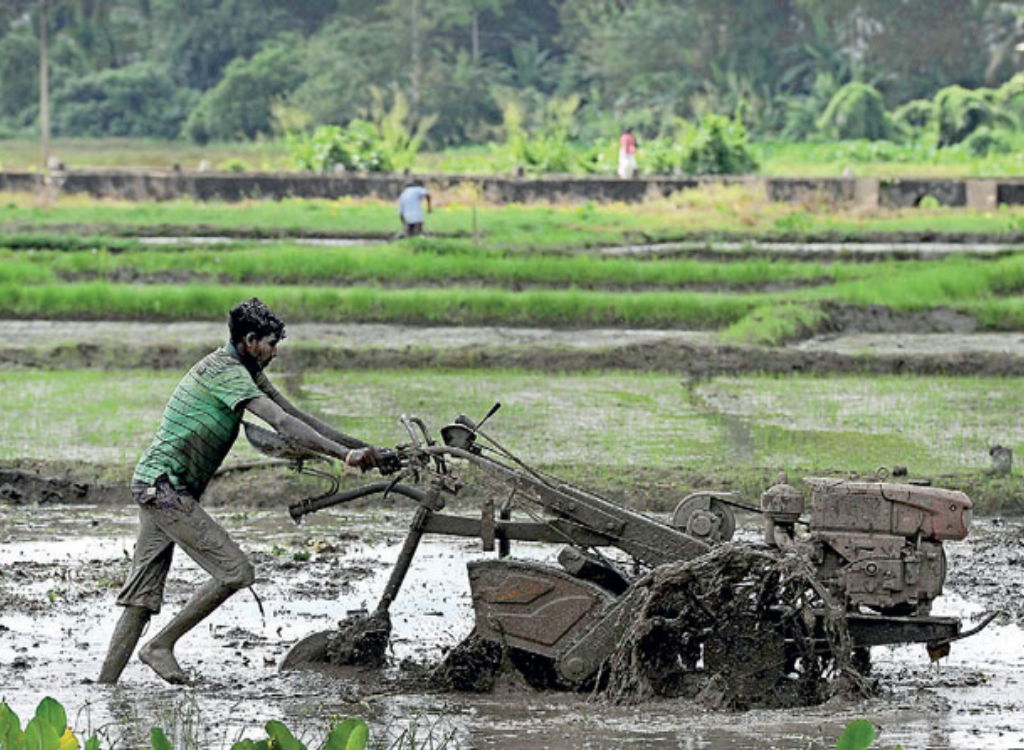
Sri Lanka’s agricultural sector is going through a severe crisis, with a significant drop in the production of major crops such as rice, tea and coconut. This is driving up inflation and contributing to higher food prices, worrying consumers and policymakers alike.
According to the Central Bank of Sri Lanka (CBSL), the drop in paddy rice production (the country’s staple crop) has been particularly pronounced, affecting the overall price of rice.
Paddy rice production from September 2024 to March 2025 is estimated at around 2.57 million tonnes, a 5.7 per cent decrease over the previous season, causing a shortage of rice in retail markets. The most popular varieties, like “nadu” and “samba”, have been out of stock in stores for months, while supermarkets are allowing customers to buy only three kilos at a time.
Government control measures on paddy rice and prices have had limited results so far.
The tea sector has also suffered a sharp slowdown. After a temporary rise in December 2024 and January 2025, by 9.6 per cent and 14.6 per cent respectively, production fell by 22 per cent in February, stopping at 15.59 million kilos.
The same goes for coconut production, which saw a decline of 33.1 per cent in December 2024 and 32.2 per cent in January 2025, driving up prices, with households forced to pay between 250 and 300 rupees (between US$ 0.85 and US$ 1.00) per nut.
The situation of the rubber sector is a bit different. In December 2024 production rose by 32.4 per cent, but then declined a month later. In 2023, Sri Lanka earned US$ 930 million from the export of natural rubber and rubber products.
In January this year, market prices of several export crops such as pepper, cocoa, cardamom, nutmeg, coffee, cinnamon, and turmeric went up, while prices of clove and ginger went down,” this according to experts Shirantha Mayadunne and Lakmali Wijesinghe speaking to AsiaNews.
According to the Department of Census and Statistics, the country’s economy recorded 5.4 per cent growth in the fourth quarter of 2024, with an estimated annual growth of around 5 per cent, thanks to lower inflation and exchange rate stability.
However, the CBSL failed to maintain its 5 per cent inflation target, which triggered serial currency crises between 2012 and 2022.
In fact, Sri Lanka is still trying to recover from the severe financial crisis that culminated in the 2022 sovereign debt default, caused by aggressive fiscal and monetary policies.
For now, interest rates are low and private sector credit has expanded.
(Arundathie Abeysinghe – PIME AsiaNews)












Leave a comment