
By Marianne David
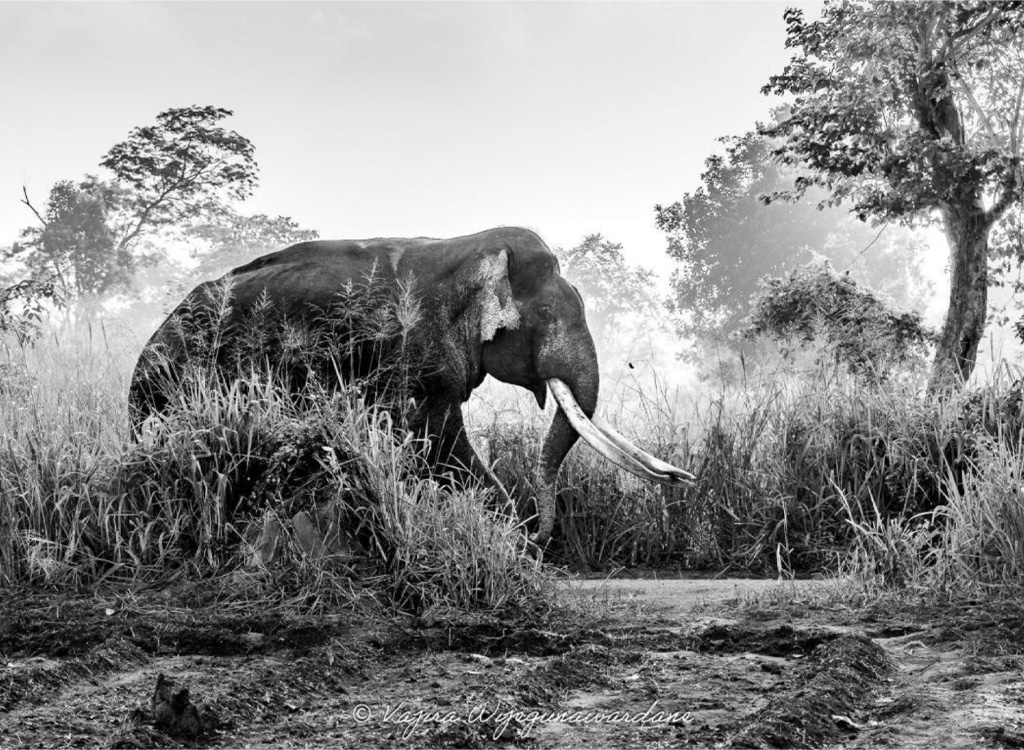
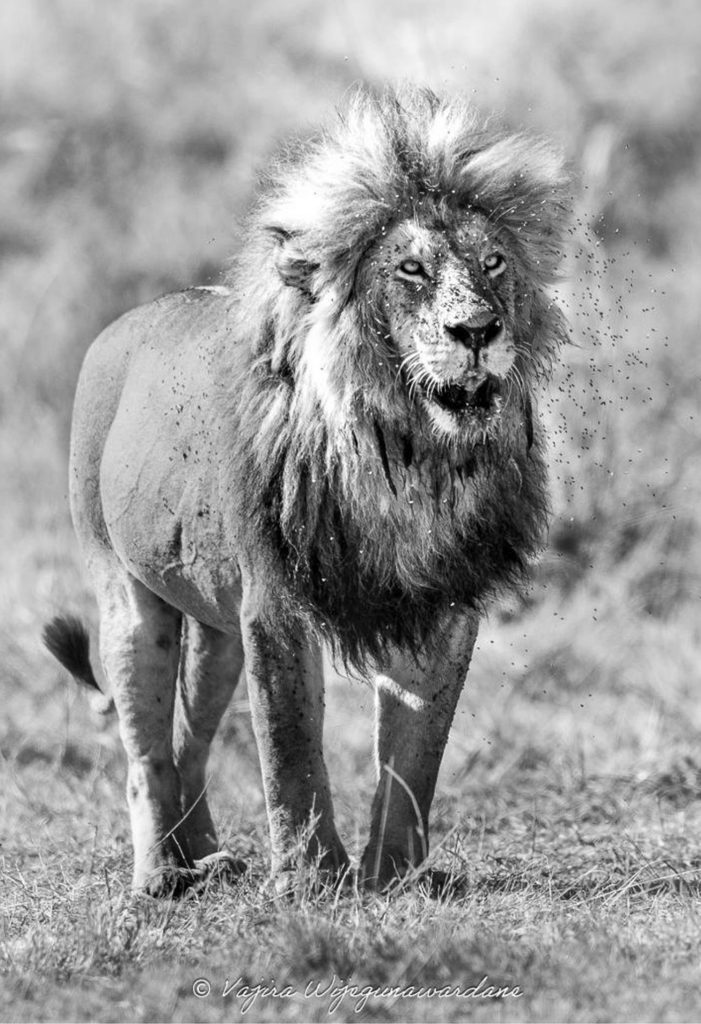
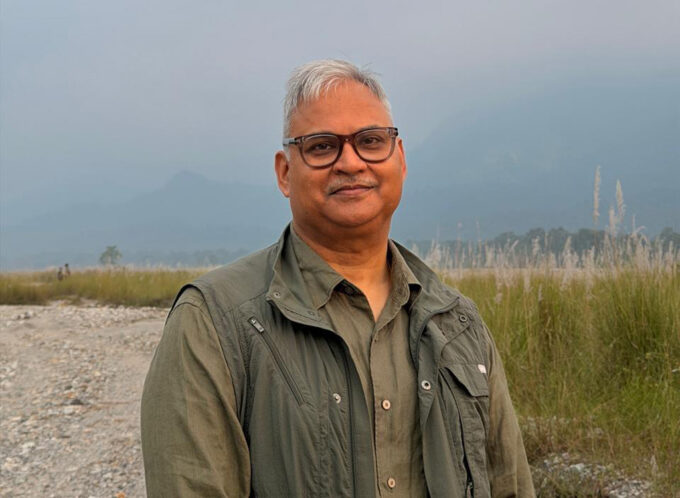
For nearly three decades, Vajira Wijegunawardane has viewed Sri Lanka’s wilderness through the lens of his camera, capturing its extraordinary wildlife and fleeting moments of natural beauty. Now, through ‘Wild Grace,’ a landmark book and fine-art photography exhibition opening on 26 November at the Harold Pieris Gallery, Lionel Wendt, he brings together an extensive collection of images that celebrates not only the beauty of the natural world but also the importance of protecting it.
Spanning more than 200 photographs across approximately 350 pages, ‘Wild Grace’ is the culmination of a photographic journey that began in 1997. Extending from the forests of Sri Lanka to the vast landscapes of Africa, the collection reflects an enduring fascination with nature. Yet, for Wijegunawardane, wildlife photography has always been about more than capturing an extraordinary image. Guided by the conviction that “the welfare of the animal must always come before the photograph,” he believes that patience, respect, and an understanding of animal behaviour are fundamental to the art. “We are visitors in their world, and we must learn to behave accordingly,” he reflects.
Having spent much of his professional life in the financial sector, including heading Sri Lanka’s capital market regulator, Wijegunawardane has now chosen to devote himself to wildlife photography, fine-art printing, publishing, and curating bespoke experiences in the wild. His vision also extends beyond the camera, encompassing responsible tourism and practical conservation initiatives. “I have always believed that conservation begins with appreciation,” he says, expressing the hope that ‘Wild Grace’ will encourage people to recognise the extraordinary natural heritage around them and feel a greater responsibility towards safeguarding it.
As the exhibition prepares to open its doors, Wijegunawardane speaks to Pulse Line about the journey behind ‘Wild Grace,’ the moments and memories captured within its pages, the responsibilities of wildlife photography, and the urgent need to protect the natural legacy we leave for future generations.
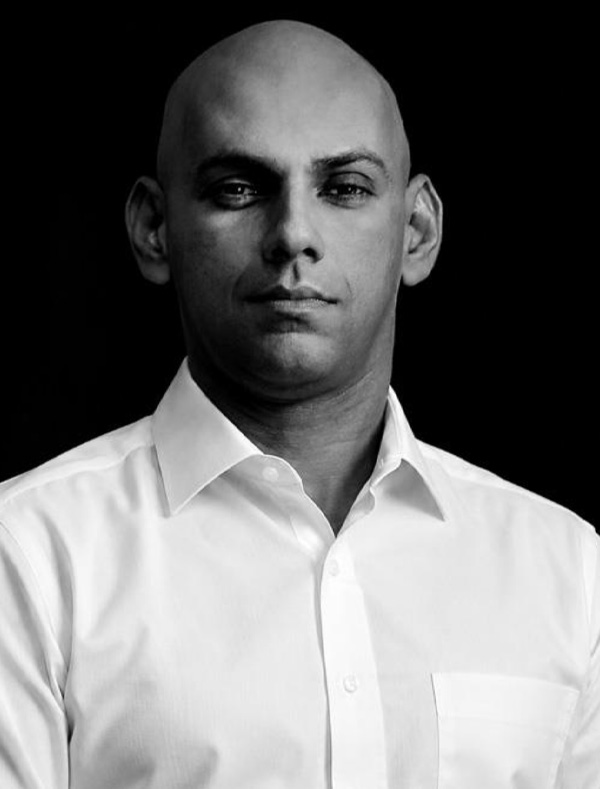
You are preparing to unveil ‘Wild Grace,’ both as a book and through an exhibition of fine-art photography at the Harold Pieris Gallery soon. What does this moment mean to you, particularly after nearly three decades of photographing Sri Lanka’s natural heritage?
It is, without doubt, a very special and emotional milestone. I began photographing Sri Lanka’s wildlife and natural heritage in 1997, and ‘Wild Grace’ brings together nearly three decades of experiences, encounters and memories.
This will be my third exhibition. My first was held in 2000, followed by a second in 2004. There was then a long gap, largely due to my professional commitments, which left me with little time to pursue photography and exhibitions to the extent I would have liked.
Over the years, however, my passion for documenting our natural heritage never diminished. The book and exhibition represent the opportunity to bring together this extensive body of work and share it with a wider audience.
More than anything, I see ‘Wild Grace’ as a celebration of Sri Lanka’s natural heritage, created to make our own people appreciate and take pride in what we have, while showcasing this remarkable legacy to the world.
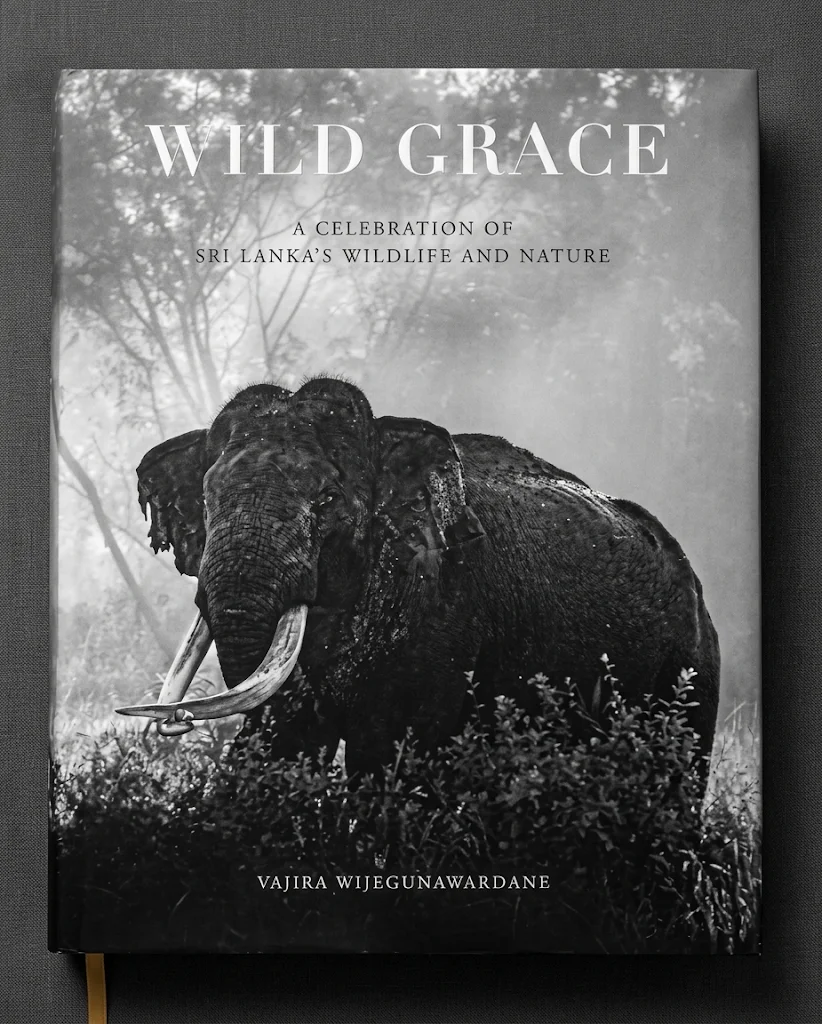
‘Wild Grace’ brings together more than 200 photographs across some 350 pages. How did you distill almost 30 years of experiences and images into this publication and what determined which photographs made the final selection?
This was probably one of the most challenging aspects of putting the book together. Over nearly three decades, I have accumulated an enormous collection of photographs, each with its own story and memories. Selecting just over 200 images for the book was therefore a painstaking process.
The selection was not simply about choosing the technically best photographs. I wanted ‘Wild Grace’ to take the reader on a visual journey through Sri Lanka’s natural heritage, capturing the full spectrum of experiences one could encounter in the wild, from the first light of dawn, through the changing light of the day, to dusk and into the night.
Light has always been one of the greatest influences on my photography. The same subject can take on an entirely different character depending on the quality, direction and intensity of light. For me, light is often what transforms an ordinary photograph into something distinctive and evocative. I paid particular attention to how light, composition and mood came together to create an image that could stir an emotion.
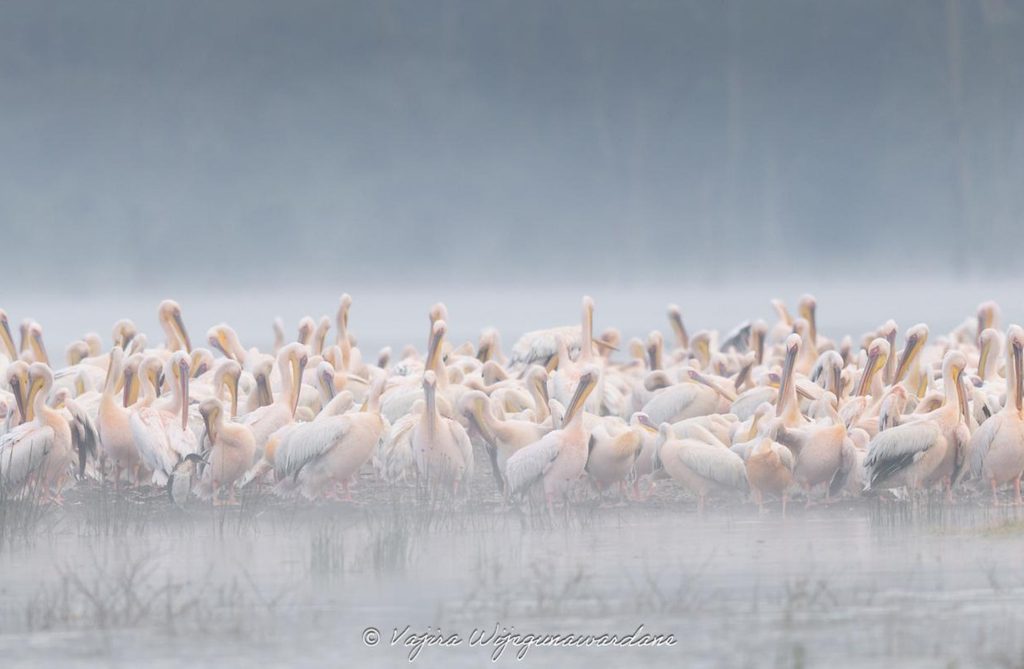
I also wanted to move beyond individual wildlife portraits and showcase the richness of our natural heritage through landscapes, forests, waterways, birds and mammals.
Ultimately, the photographs had to work together as a collection, creating a continuous visual experience rather than simply presenting a series of beautiful individual images.
Your first book, ‘Sri Lankan Elephant – A Celebration of Majesty,’ was very well received. How has your journey as a photographer and publisher evolved since that first publication, and how does ‘Wild Grace’ represent a different chapter?
My first book, published in 2010, was dedicated to the Sri Lankan elephant. ‘Sri Lankan Elephant – A Celebration of Majesty’ was very well received, and the initial print run of 3,000 copies sold out in less than a year. That experience was incredibly encouraging.
‘Wild Grace,’ however, is a much broader undertaking. While my first publication focused on one iconic species, this book celebrates the full spectrum of Sri Lanka’s natural heritage.
My photography has also evolved considerably. I have become increasingly conscious of the importance of light, atmosphere and storytelling. More recently, I have developed a particular appreciation for black-and-white photography, which can reveal a different dimension to a subject.
On the publishing front, this has been an incredible year of learning and self-development. I made a conscious decision to understand and take control of the entire digital artwork and production process, including colour management, monitor calibration and the use of printer-specific ICC profiles to achieve the closest possible match between what I see on screen and the final printed result.
I have always preferred to be closely involved in every stage of a project, and this experience has given me a much deeper understanding of what it takes to produce a world-class publication. It has also opened up another avenue for the future, with the intention of offering these publishing capabilities to others who aspire to produce books of a similar standard.
In that sense, ‘Wild Grace’ represents not just an evolution in my photography, but an entirely new chapter in my journey as a publisher.
You have had a distinguished professional career, including heading Sri Lanka’s capital market regulator. Yet, alongside this very different professional world, you have nurtured an extraordinary passion for wildlife photography. Where did this fascination with nature begin and what is it about being in the wild that continues to draw you back?
My fascination with wildlife began long before photography. I grew up around five elephants, an experience that instilled in me a deep connection with nature and a particular affection for elephants.
Photography came much later, after I returned from the UK following my graduate studies in the late 1990s. What began as an interest gradually developed into a serious passion, which I pursued alongside my professional career.
My professional journey took a very different direction. I spent many years in the financial sector, eventually heading Sri Lanka’s capital market regulator. While that was an important chapter of my life, my connection with nature never diminished.
Today, what was once a serious hobby has become my profession. I have chosen to devote myself to wildlife photography, publishing, fine-art printing and curating genuinely bespoke experiences in the wild. These journeys will be built around authenticity, exclusivity and a deep appreciation of nature, with carefully limited group sizes to ensure personal attention and meaningful encounters, while allowing wildlife to be experienced on its own terms, without compromising its natural behaviour or habitat.
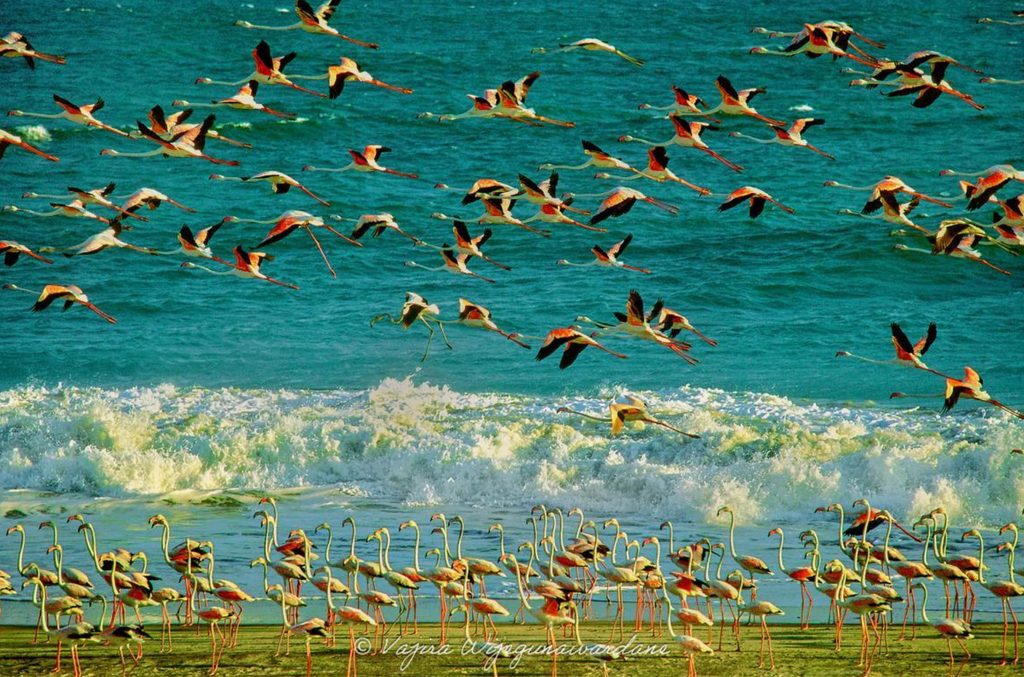
There is something about being in the wild that is difficult to explain. It gives you perspective, teaches patience and reminds you that we are only a small part of a much larger natural world. That connection is what continues to draw me back.
One of the defining principles of your work is that respect for wildlife must always come before the photograph. Why has this been such an important guiding philosophy for you?
For me, this is non-negotiable. The welfare of the animal must always come before the photograph.
Wildlife photography, at its very essence, is about capturing an animal’s natural behaviour in its own environment. We are privileged to enter the natural world and observe these animals, and that privilege comes with a responsibility. We should never compromise their behaviour, disturb their habitat or put them under stress simply to obtain an image.
I firmly believe that any photograph obtained by disturbing an animal or interfering with its natural behaviour is simply not worth its salt. A photograph is never worth that price. I would much rather return without a picture than know that I have disturbed an animal in pursuit of one.
Ultimately, we are visitors in their world, and we must learn to behave accordingly.
Wildlife photography can sometimes become a pursuit of the perfect image. How do you balance the desire to capture an extraordinary moment with the responsibility of ensuring that the animal and its habitat are never disturbed?
Patience is probably the most important quality in wildlife photography. You cannot dictate what happens in the wild, and you certainly cannot demand that an animal performs for your camera.
I prefer to observe, understand animal behaviour and allow situations to unfold naturally. Sometimes you wait for hours and come away with nothing. On other occasions, an extraordinary moment presents itself when you least expect it.
I also believe that photographers and those guiding wildlife experiences have a responsibility to discourage practices that disturb animals, overcrowd sightings or interfere with their natural behaviour.
The perfect photograph is not necessarily the one that captures the most dramatic action. Sometimes it is simply an image that conveys the character and dignity of an animal without disturbing it, ideally captured in the right light. For me, light is the deal-breaker. It can transform an otherwise ordinary image into something truly special.
When someone turns the pages of ‘Wild Grace,’ what would you most like them to understand beyond the beauty of the photographs? Is there a particular message you hope will stay with them?
I would like people to appreciate just how extraordinarily rich Sri Lanka’s natural heritage is. We often take what we have for granted, perhaps because it has always been around us.
Through ‘Wild Grace,’ I want people to experience that heritage, develop an appreciation for it and, hopefully, feel a sense of responsibility towards protecting it.
I have always believed that conservation begins with appreciation. We are unlikely to protect something unless we first understand its value and develop an emotional connection with it.
If the book inspires even a few people to look at our natural heritage differently, I would consider that a meaningful achievement.
Is there a photograph in ‘Wild Grace’ that is particularly special to you, not necessarily because it is technically the best, but because of the story or emotion attached to it?
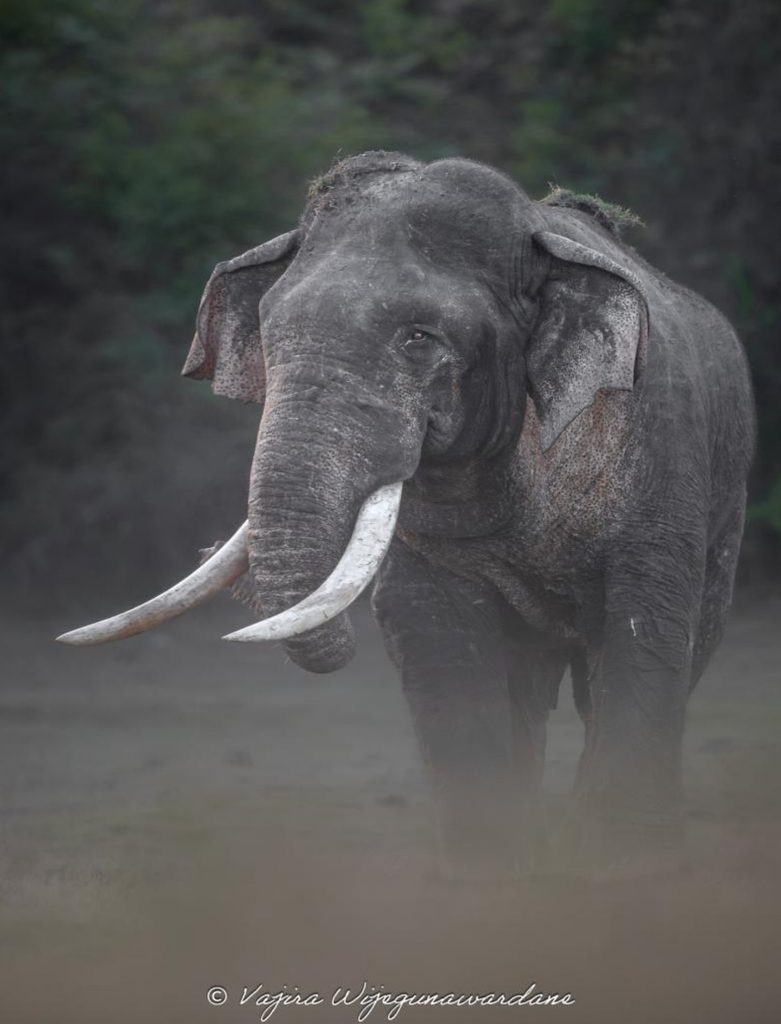
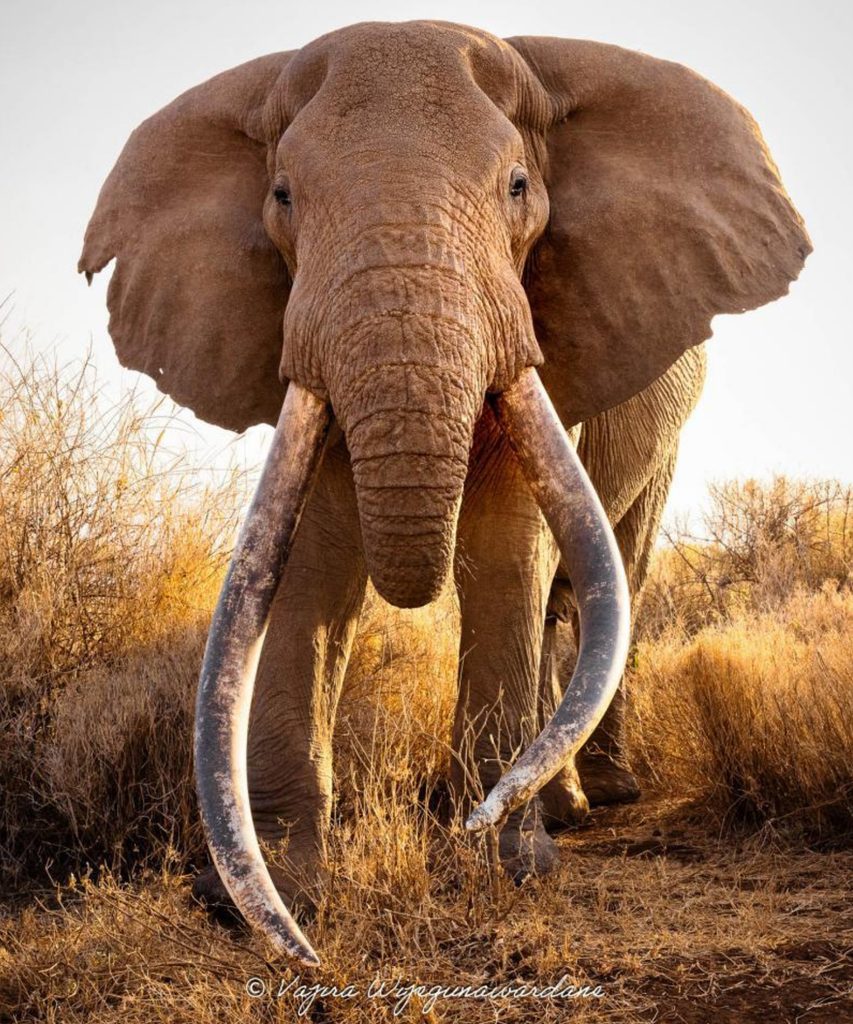
There are several, but photographs of our great tuskers hold a particularly special place in my heart. I have followed and photographed some of these magnificent elephants for more than two decades.
One particularly emotional image is that of Kavantissa. When the book’s design was being developed, I wanted him to represent the present generation of our tuskers, alongside the Panama/Kumana Puttuwa, which represents the tuskers of the past.
Sadly, by the time the book was being finalised, Kavantissa had passed away. What I had described as the present had to be changed to now, the past. During the press check, when I reached that particular page and had to sign off on his photograph, it was an incredibly emotional moment.
For me, the photograph had become much more than an image. It was a tribute to an individual elephant and, more broadly, to the legacy of Sri Lanka’s great tuskers.
In line with your assertion that conservation begins with appreciation, Sri Lanka is blessed with extraordinary biodiversity, yet its natural heritage faces increasing pressures. Do you believe that people fully appreciate what we have?
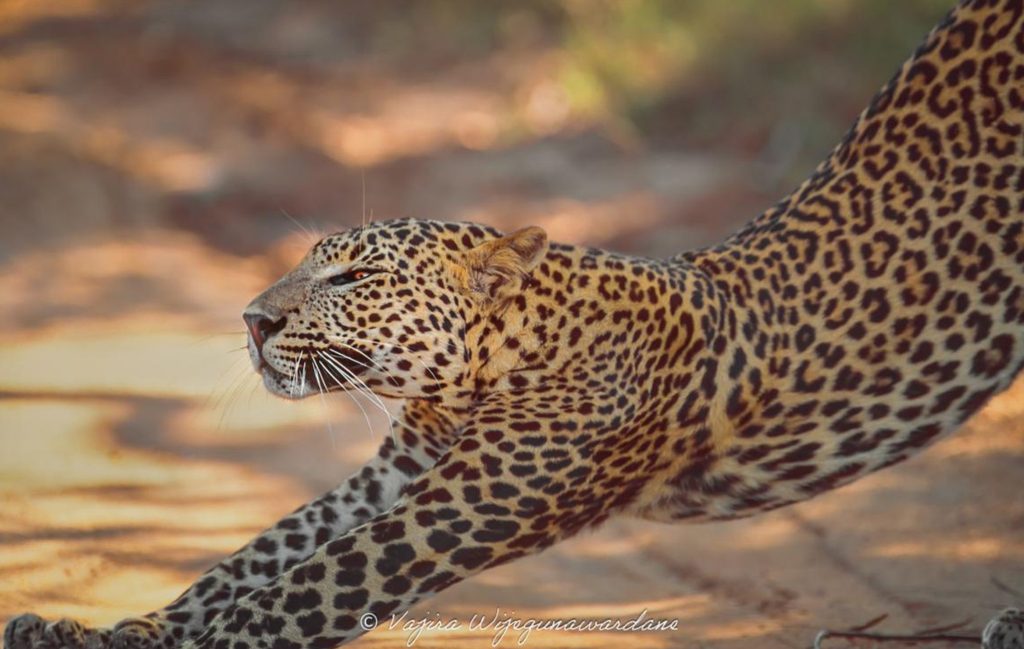
I honestly don’t think we do. We are blessed with an extraordinary concentration of biodiversity, from our elephants and leopards to our rainforests, wetlands, marine ecosystems and endemic species.
Yet, much of this is taken for granted. We tend to recognise the value of our natural heritage only when something is lost or threatened.
The pressures are increasing. Habitat destruction, human-elephant conflict, electrocution, unauthorised electric fencing, shootings and irresponsible tourism practices are all contributing to the challenges faced by wildlife.
We need a greater appreciation of the value of these ecosystems, not just as attractions for tourism, but as an essential part of our national heritage and our responsibility to future generations.
How concerned are you about the natural legacy we are leaving for future generations? Are there particular aspects of Sri Lanka’s wildlife and ecosystems that you feel urgently need greater attention?
I am deeply concerned. We are custodians of a natural legacy that has taken thousands of years to evolve, yet we are often treating it as though it is an expendable resource.
The human-elephant conflict is an obvious and urgent concern. The loss of elephants through electrocution, shooting and other preventable causes is particularly distressing. I strongly believe that co-existence is the only sustainable solution. We cannot expect to confine wildlife to national parks and reserves alone. Elephants and other wildlife have traditionally occupied much wider landscapes, and we have to find ways for people and wildlife to share these spaces.
However, this requires practical solutions. Having walked extensively through many areas inhabited by elephants, I believe one of the most important interventions is prompt and fair compensation for crop damage. When a farmer loses a season’s harvest to elephants, the consequences can be devastating. If we fail to address that loss, we cannot realistically expect communities to remain tolerant of wildlife.
More importantly, communities living alongside wildlife must benefit economically from its presence. If people see tangible benefits from protecting wildlife, they can become its strongest advocates and the frontline guardians of these natural environments. Over time, some may even find opportunities to move from traditional livelihoods into employment directly connected with conservation and responsible tourism. This approach has been successfully demonstrated in other parts of the world.
We also need to pay far greater attention to protecting our forests, wetlands, watersheds and marine environments. Conservation cannot be confined to individual species. We have to protect entire ecosystems and recognise the interdependence of everything within them.
The decisions we make today will determine what future generations inherit. We have a responsibility not to leave them with merely photographs and stories of what once existed.
You believe that responsible conservation and responsible tourism are not opposing ideas and your vision extends beyond photography to curated travel experiences. Could you expand on how Sri Lanka can better harness tourism to protect its natural heritage while creating meaningful opportunities for local communities?
I firmly believe that responsible tourism and conservation can complement each other. In fact, if managed correctly, tourism can become an important instrument for conservation.
We need to move away from the volume-driven approach and focus more on quality, responsibility and meaningful experiences. Sri Lanka has the potential to attract travellers who value its natural heritage and are willing to spend time understanding and experiencing it.
Through my company, my vision is to create carefully curated, private journeys that place authenticity, exclusivity and the welfare of wildlife at their centre. These experiences will be designed around smaller groups, responsible guiding, respect for animal behaviour and a genuine connection with the places we visit.
Equally important is ensuring that local communities benefit. Tourism should create livelihoods, support local enterprises and provide communities living alongside wildlife with a tangible economic reason to value and protect their natural surroundings.
We need to see conservation not as an obstacle to development, but as an investment in our long-term future.
You also speak about establishing a foundation to support conservation, education and communities living alongside wildlife. What inspired this ambition and what would you like such a foundation to achieve?
After spending nearly three decades documenting our natural heritage, I feel that simply photographing and publishing these experiences is not enough. There must be a way of translating appreciation into meaningful action.
I would like to establish a foundation that supports practical conservation initiatives, environmental education and community upliftment, particularly among communities living alongside wildlife.
I am particularly interested in initiatives that create awareness among younger generations, improve opportunities for local communities and help them recognise the value of protecting the ecosystems around them.
My intention is also to earmark 10% of the profits from our ventures towards conservation and community programmes. I would like to develop this into a sustainable initiative that can eventually attract organisations with a genuine interest in conservation to partner with us and contribute their expertise and resources.
Ultimately, I hope the work surrounding ‘Wild Grace’ will extend beyond a book and an exhibition. If it can help create a stronger appreciation of our natural heritage, improve the lives of communities living alongside wildlife and contribute to protecting these ecosystems for future generations, then it will have achieved something far more meaningful.






Leave a comment