
By Marianne David
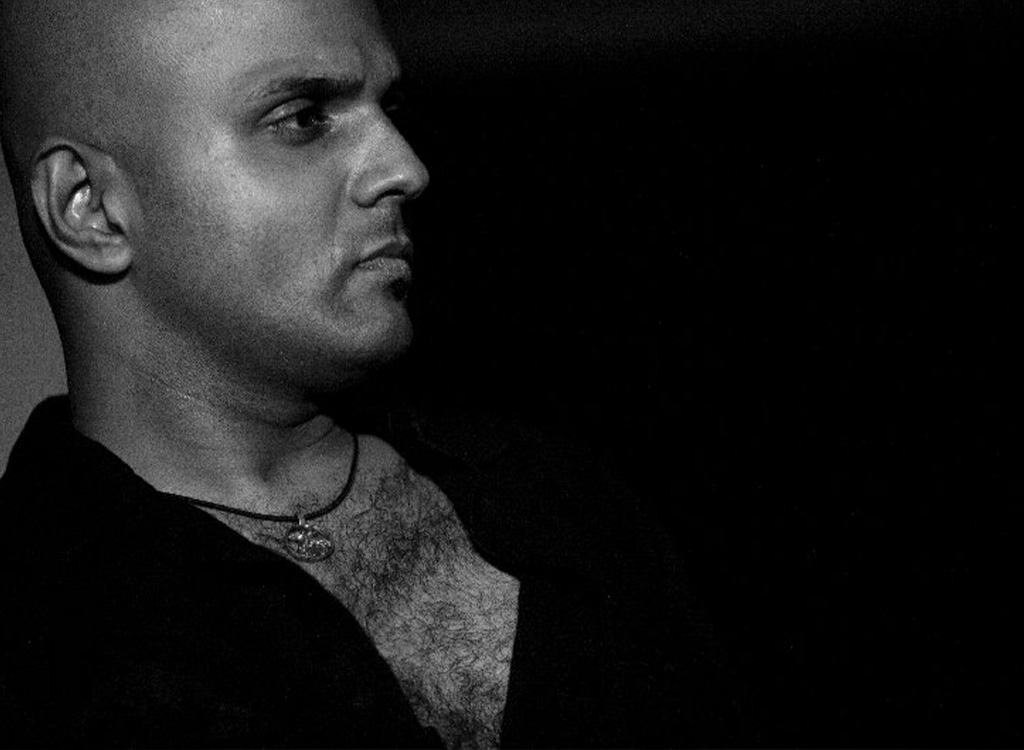
For Jehan Aloysius, who has spent three decades writing, composing, directing, and designing for the stage, theatre has never been simply about putting on a show, but about originality, imagination, and using the power of storytelling to challenge and inspire.
The journey began many years ago with ‘Great Expectations’ for the self-confessed perfectionist and his audiences cannot be blamed for having great expectations of him, especially given the calibre of the shows he has put on over the years, building a distinctive theatrical identity rooted in a commitment to original work.
For Jehan, theatre is also a means of engaging with the world beyond the stage and his work has consistently extended beyond entertainment. “I never underestimate the intelligence of my audience… As creators and playwrights we are the scribes of our time. Our works reflect the changing world around us,” he asserted, in this interview with Pulse Line.
Here, Jehan speaks about his journey in theatre, a quarter-century of CentreStage, the challenges of creating original theatre in Sri Lanka, and his upcoming celebration of musical drama, ‘CentreStage Musicals’.
Tell us about ‘CentreStage Musicals,’ which goes on the boards on 19 November. What was the idea behind bringing together some of your most memorable productions and their original casts for one evening?
This year marks the 25th anniversary of CentreStage Productions, the amateur drama group I founded in 2001. Over the years we have staged many original works which have been regarded as groundbreaking. Among these are three major musicals that were audience favourites. I love music and dance and so do my actors, so we decided we would celebrate our troupe’s milestone with a celebration of musical drama.
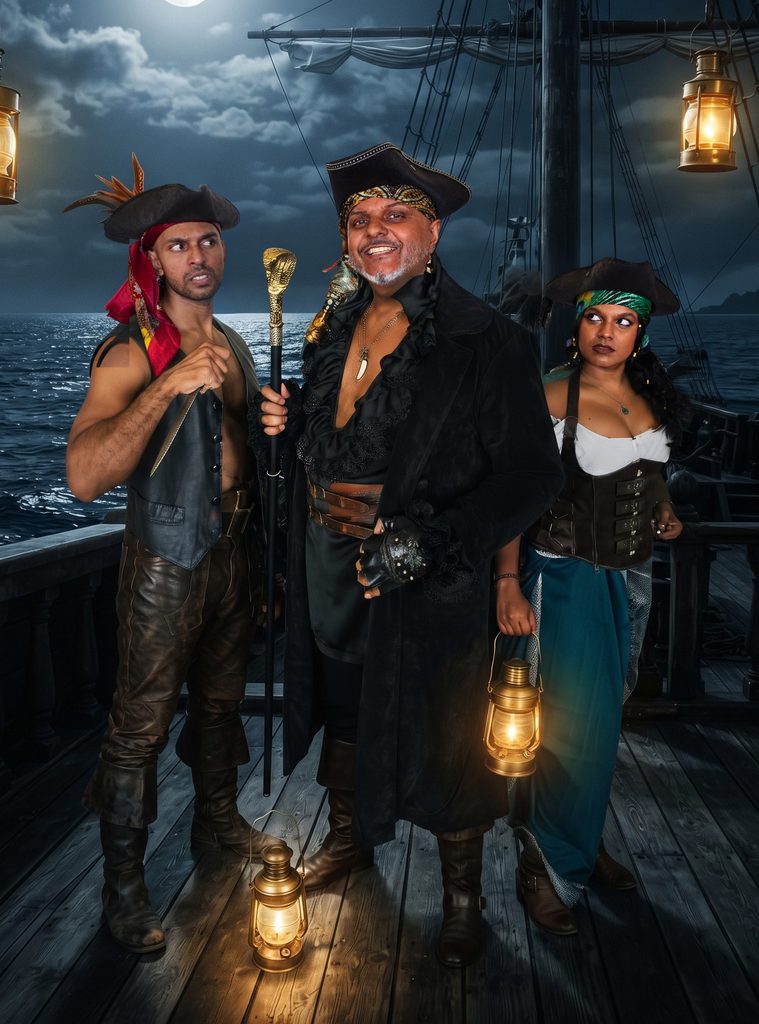
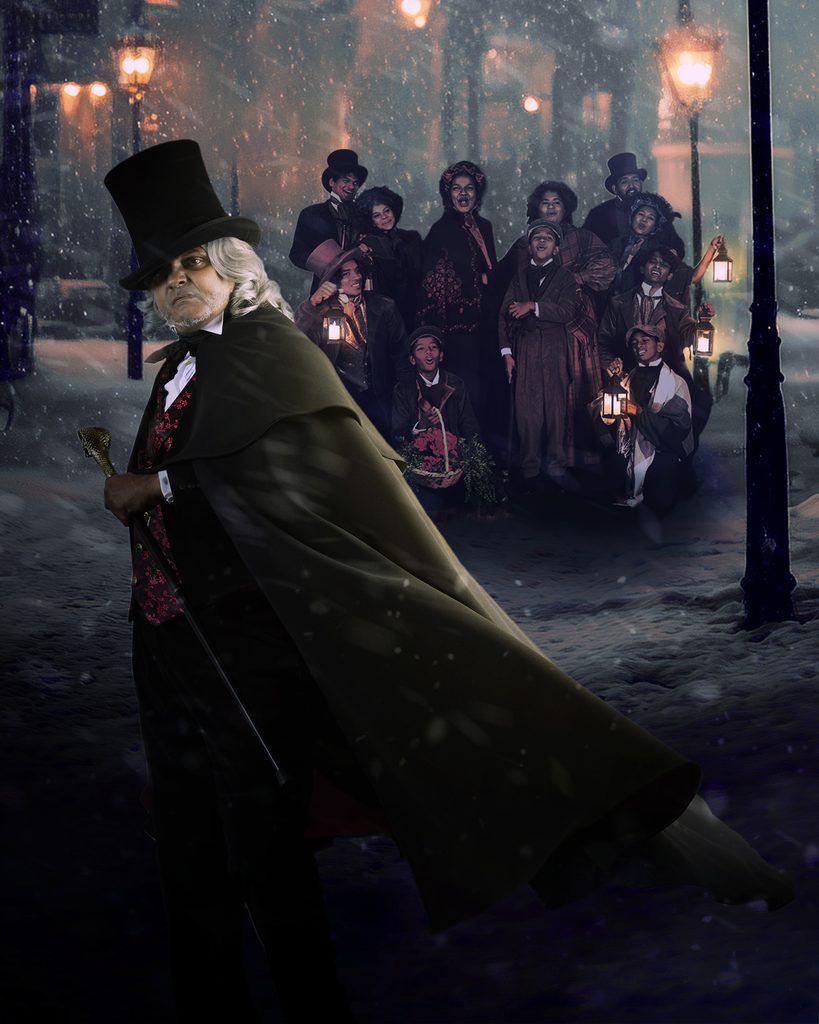
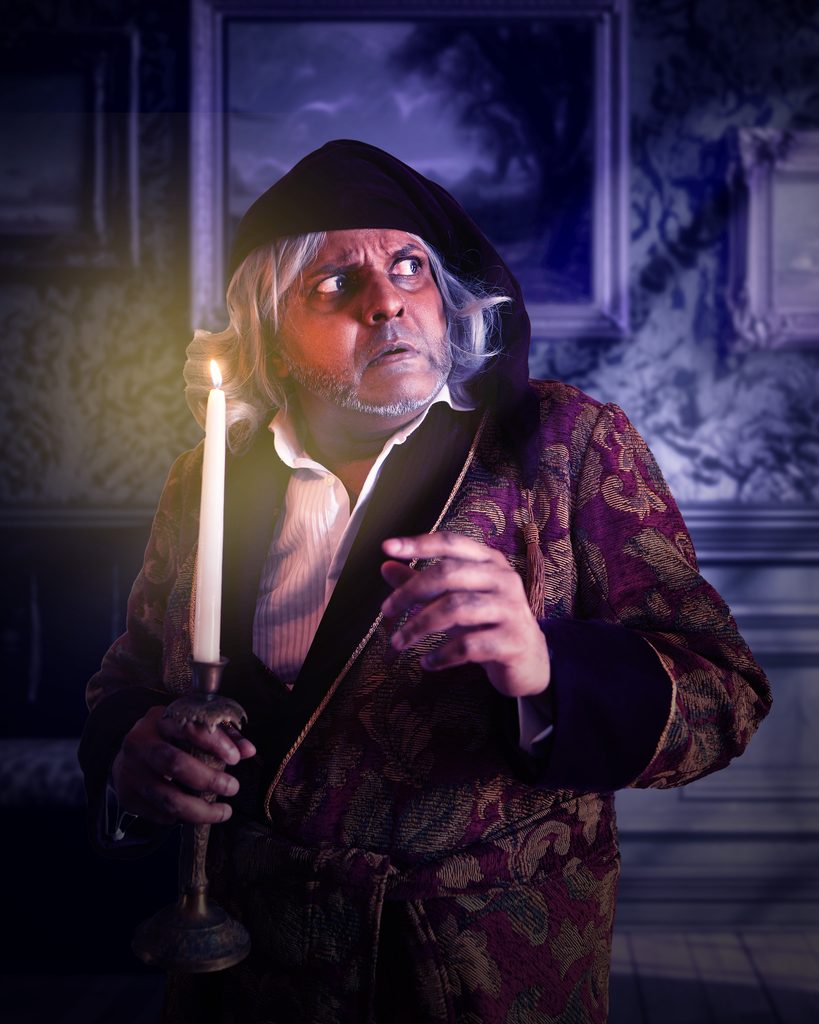
You’re bringing together ‘Rag – The Musical,’ ‘Venus United,’ and ‘A Christmas Carol,’ as well as giving audiences an exclusive preview of ‘Treasure Island’. These are very different worlds. How do you approach moving between such different stories, musical styles and characters?
Well, we hope the variety of plots, stories, and musical styles will give audiences an exciting evening. The scripts, lyrics, and music are either written or adapted by me but have different themes and styles. I hope that audiences appreciate the work that goes into creating original theatre that is not merely ripped off from someone else’s creativity or intellectual property, which sadly is the case with many musicals performed in Sri Lanka.
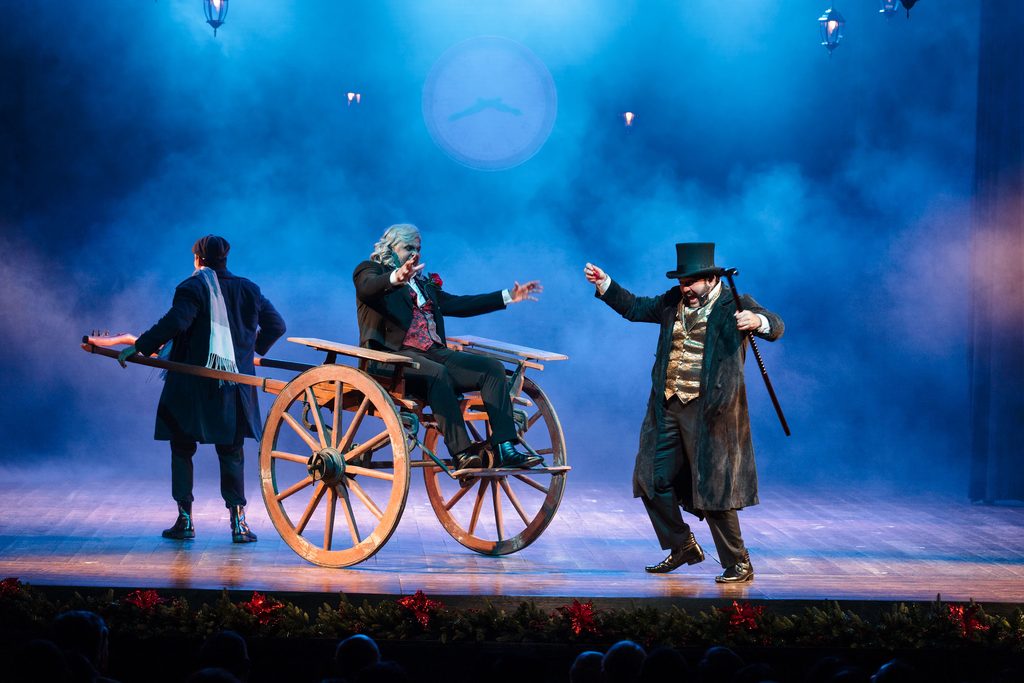
There is a certain Jehan Aloysius signature when it comes to theatre. You don’t do anything by halves; your productions are elaborate and incredibly detailed, from the costumes and props to the sets and choreography. Could you tell us about your signature style and where it stems from?
Well perhaps it’s because it comes from one source: my own lived experiences, desires, disappointments, vision, and philosophy on life and the world we live in. I have always been a perfectionist to a fault. I never underestimate the intelligence of my audience, and I know they also appreciate the extra attention to detail that I have always made an effort to deliver.
I know when all the complete staging elements on stage – the dialogue, music, melodies, lyrics, choreography, sets, costumes, and lighting – finally reflect what I first imagined for the show. Most artists have a signature style, unless they are reproducing someone else’s work and effort.
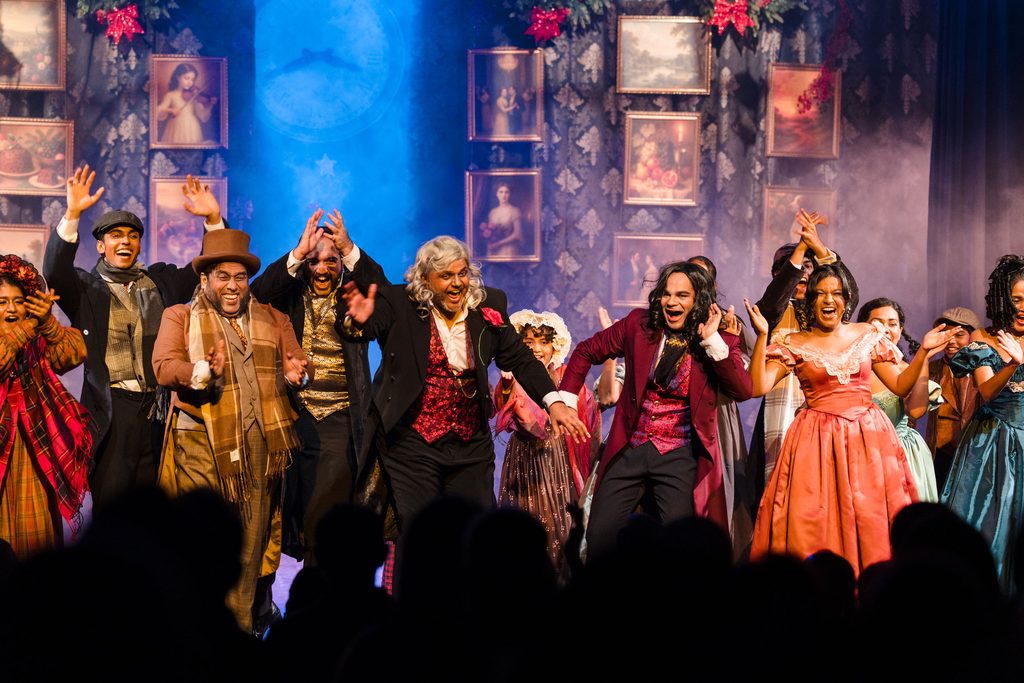
You’re known to take on multiple roles – writing, composing, directing, designing, and sometimes even choreography and production details. How do you do it and why? Is it because you can’t relinquish control or is this the reality of producing ambitious original theatre in Sri Lanka?
This is a good question. Many outstanding directors such as Julie Taymor and others are multi-talented creators and have a very distinct signature style and vision as well. I wear many hats while working on a show due to necessity, since resources and originality are sadly limited in the Sri Lankan theatre scene.
Few make the effort to create large scale original works that have not been ripped off from something on YouTube or presented as ‘Jukebox’ or ‘Parody’ to escape infringement of intellectual property. As mentioned before, all our shows over the last 25 years have been completely original and certainly not less-than-legal replicas of foreign shows.
Creativity is definitely something that needs to be encouraged and developed in Sri Lanka. Unfortunately, we need more in the theatre field who can create and take ownership of their work. I am encouraged that smaller shows and drama groups are making an effort to do so, with limited resources. But most large productions that are staged here never credit the original designers for their stage, costume design, choreography, or staging concepts. Sadly, every detail is copied, much like the movie industry used to be in Sri Lanka in the 1980s and ’90s. That’s really disappointing to those of us who actually create.
This also results in creating directors who are unable to have an original vision, concept, or signature style, limiting themselves to the creativity of others. It also normalises appropriation of others’ work, and not contributing to creativity or designers or choreographers here, who should be challenged and encouraged to contribute to theatre.
Thanks to our more recent efforts to create larger original musical adaptations of popular novels, budding costume designers and even our set and lighting technicians have been challenged and inspired to create original work. This is a start, and when more choreographers and set designers develop their skills, and when the all-important corporate partners have the confidence to back large-scale original works, even my group will have access to creative teams that can handle the demands of a big new show. That’s what I am working towards. For now I wear many hats.


Take us back to the beginning. How did your love affair with theatre start and when did you realise it was going to be your life’s work?
My first love was movies and not theatre. I wanted to be a movie director since my mom studied movie making as a journalist in Michigan University. I would read all her text books as a nine- or 10-year-old and create screenplay and storyboards for movies. My mom encouraged my dreams and sent me to apprentice with local film directors, but the commercial movies being created at the time were mostly rip-offs of Bollywood films. I wanted to create sci-fi movies and not lovers running around trees.
Then, when I was 13 years old, I adapted, directed, and created the props for an excerpt of ‘Great Expectations’ by Charles Dickens for the school English Day. I also acted in the show and made props and designed the costumes. Nothing much has changed since then, I guess.
In my teens, I mainly received my training with foreign directors at an early age thanks to the British Council. Willie Richards and Sue Weston were very important. Later on I received scholarships for residences with the Royal Court Theatre of London for training in scriptwriting and direction. I had several prominent mentors such as Ramin Gray and Dominic Cooke. I also studied theatre at the University of Colombo while majoring in English.
After the tsunami hit Sri Lanka, I was also training in drama therapy and theatre for social change with John Martin of the Pan Centre. I founded my drama group CentreStage Productions in 2001 and gave up a lucrative job in advertising to focus on theatre for development and social change in 2005 after working as a volunteer in tsunami-affected areas and even uncleared areas such as Vakarai with CARE International and the British Council.
Since then, CentreStage also established its own humanitarian initiatives, such as The StageHands Project for disability arts with injured soldiers and the disabled community, The Power of One Project to address bullying and ragging, and The CentreStage Spotlight youth mentorship programme. All these are volunteer projects and self-funded from the proceeds (if any) of our shows. We also do annual projects at elders’ homes to spread joy during the Christmas season. These projects often give me more satisfaction than the theatre projects, as one can see the positive impact on all those participating.
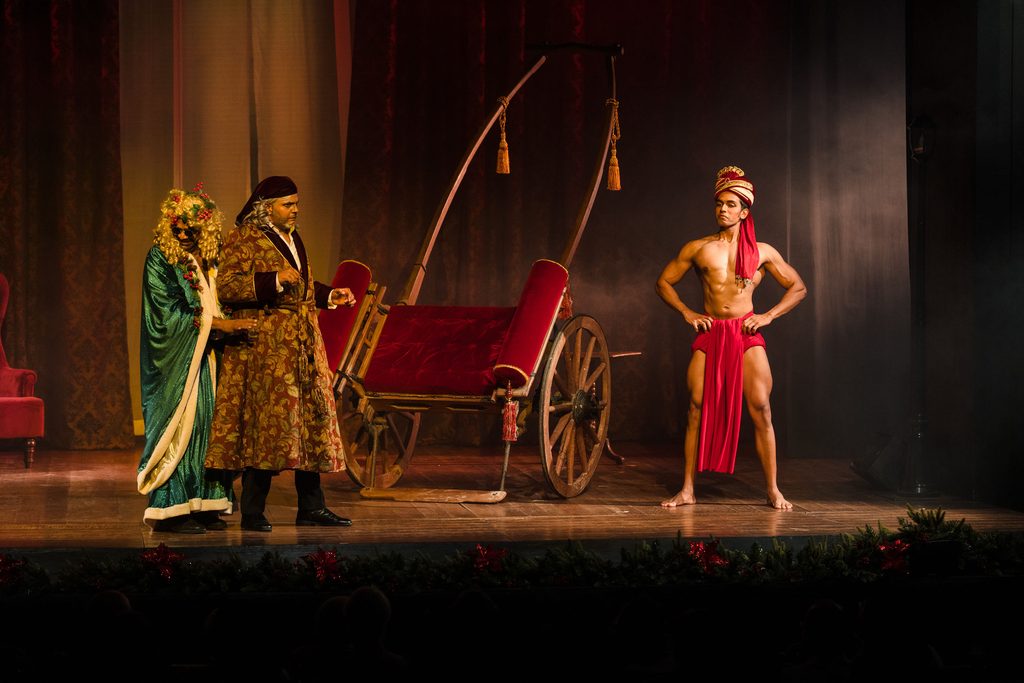
You came up through a generation of theatre-makers who helped shape English theatre in Colombo. What were those early years like, and who were the people who influenced and encouraged you?
The late Jith Peiris was the first to encourage me when I started out as a director at the age of 18. The British Council and the Shakespeare Drama Competition really helped me to become who I am as a director and encouraged my creativity. Thankfully, my mother was always a great supporter of my wild dreams and she still is.
CentreStage Productions was founded in 2001 and is now celebrating 25 years. Did you have any idea, when you started, that it would become such a significant part of your life and Sri Lanka’s theatre landscape?
Well, I hoped it would. I always plan things carefully before I embark on them, and I do my very best to fulfill those plans. Thankfully, CentreStage members such as Avanti Perera, Dion Nanayakkara, and others have stuck with me for decades. CentreStage is a very small group – just a handful of close friends and allies who are generous with their time, talent, and commitment. We really are a family and have and will always operate as one.
My home has generally been the rehearsal space and also a safe and wholesome space for young people to develop their skills in theatre, while also learning life skills. We are blessed to have continued to establish new actors, performers, creators, and directors over the last quarter of a century. We hope to continue to do so.
Looking back at your earliest productions, how much have you changed as a director and storyteller? Is there anything about the young Jehan that you still recognise in the way you work today?
As creators and playwrights, we are the scribes of our time. Our works reflect the changing world around us. As I have grown, I’ve realised the power of theatre in any community. Over the last 30 years as a director and 25 years at the helm of CentreStage, my productions have been created or presented according to the needs of our audiences.
Occasionally, audiences need to escape from the harsh realities of life, but there are also times when audiences need to grapple with those realities or see them through art, stimulating discussion, and debates on themes and leading to some solution. I am glad that some shows such as ‘Rag’ and ‘Venus United’ resulted in positive change.
I am also thrilled that we have added to culture and literature with our original work and taken those works overseas and around the island – even to Jaffna during the conflict. I have been shortlisted three times for The Gratiaen Prize and longlisted twice. I am really encouraged that recently the script for my unstaged musical ‘Crossing the Line’ – which is set in Lankan a border village in the early years of the war – was longlisted for The Gratiaen Prize, marking the first time a musical had been recognised in the history of the prize.
You have worked across very different genres, from original musicals such as ‘Rag’ and ‘Venus United’ to adaptations such as ‘Pyramus & Thisby’ and ‘A Christmas Carol’. What draws you to a particular story?
There is always, always a very personal element to the story, which drives my creativity. Often it may be a theme. There have been some occasions when a muse or person or relationship can inspire a script as well. But the main inspiration is rarely just entertainment. Even my adaptations of Shakespeare, Tchaikovsky, Dickens, or R.L. Stevenson are always transformed or expanded to include elements of my personal experiences and those around me. Many of my friends and family have been immortalised in my plays.
Do you have theatrical influences from overseas? Are there particular directors, composers, writers or productions that have fundamentally changed the way you think about theatre?
Andrew Lloyd Webber was probably my greatest inspiration. Later, the creators of Les Miserables and Julie Taymor who created the stage version of ‘Lion King’ were strong influences for me.
What has been the most personally meaningful production you’ve created and why? Is there one that changed you in some way?
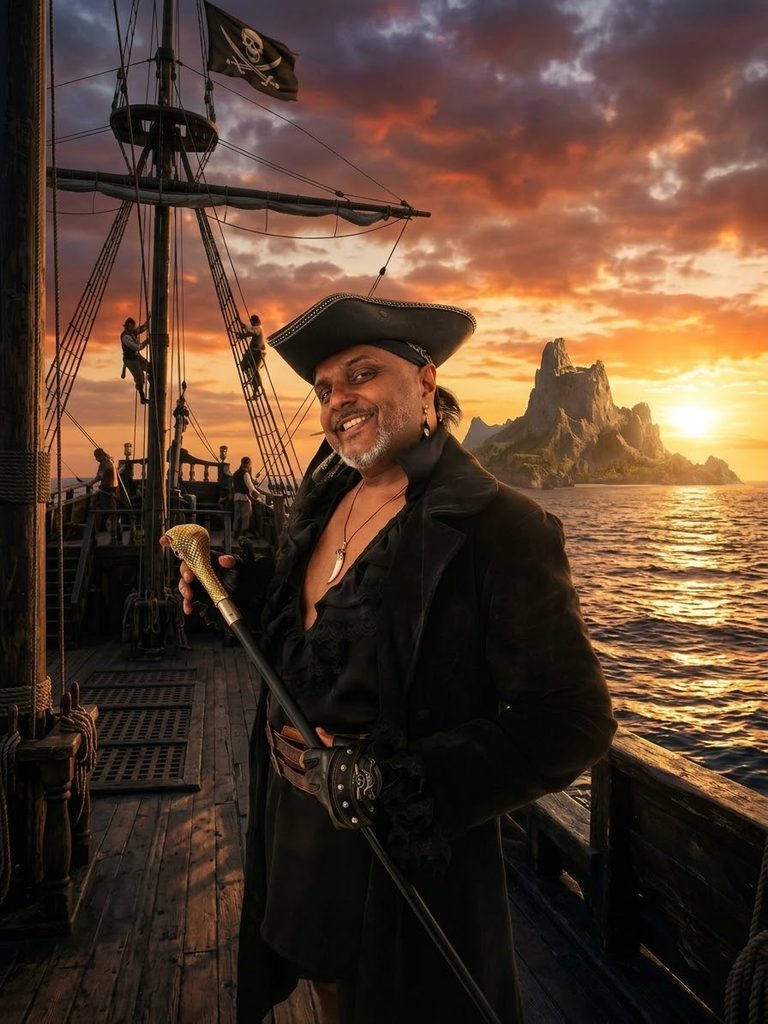
There are several – ‘Rag,’ ‘An Inspired Swan Lake,’ ‘The Ritual,’ ‘Reality Show,’ and my upcoming ‘Treasure Island’. The process of creating these shows and staging them transformed me as well as those in the casts.
Sri Lanka has a remarkably talented theatre community, but it is also a relatively small industry. How would you describe the state of theatre in the country today, particularly English-language theatre?
I believe it is thriving of late. Many young theatre groups are creating new works and not just resorting to large scale shows or replicas. This must be encouraged. Post-COVID, there has been a very encouraging trend of intimate theatre productions. Young directors and performers are the future of theatre. I am glad to see them thrive.
We have audiences who enthusiastically support large international musicals and familiar productions. Why do you think it is sometimes harder to get the same level of support for original Sri Lankan work?
Sadly, as mentioned before Lankan audiences have normalised celebrating replicas and foreign imports, regardless of the quality of effort and production. CentreStage took our first show out of Colombo to Kandy and then represented Sri Lanka in India in 2002. Since then we have continued to be selected to represent Sri Lanka in India, Poland, Norway, and even at Asia’s largest theatre festival – the Bharat Rang Mahotsav – and also the Theatre Olympics on many occasions.
The only reason we have an overseas following and can take our work overseas is since we are creating original work and not something that can be found on YouTube or seen anywhere else in the world. We are proud to have achieved this, but sadly only corporate producers such as Cargills have supported original work, which may be deemed as a risk. This is sad, since we can really produce world-class work and take it to the world if given the opportunity and recognition.
Producing a musical on the scale that you do must be enormously expensive. How do you make the financial realities work when you have costumes, sets, musicians, performers, technical teams, and months of rehearsals to account for?
We have always played the long game. I work hard to see that our shows can be successful enough to run for years of performances. All our shows have been staged many, many times over the last 25 years. When we create a new show, we know we have to bring it back each year, so the costumes, sets. and props are made to last at least 15 years. This is what we tell our designers, workshops, and prop-makers.
All our sets are built in furniture workshops around Sri Lanka. They are built to last and of the best materials. But we know they will be ultimately paid for in a few years or when other popular shows such as ‘Bengal Bungalow’ are staged and we can cover the costs. We usually stage our concerts and popular comedies so we can gather funds for new works that we know may have difficulty securing partners as they are new works. We are an amateur drama group, so we try to see that all who participate learn as much and grow as they give of their time and effort.
We also encourage all to participate in our volunteer projects since we have found that there is less interest these days in volunteering to support community theatre or social projects. We need to realise that theatre has always been for the community and a gathering of community. CentreStage will never treat it as a business, but rather as a passion, a real need, and a way of coping with the world we live in.
You’ve spent many years conducting workshops and masterclasses and nurturing young performers. How do you take someone from being a beginner to becoming a confident performer who can hold their own on a major stage?
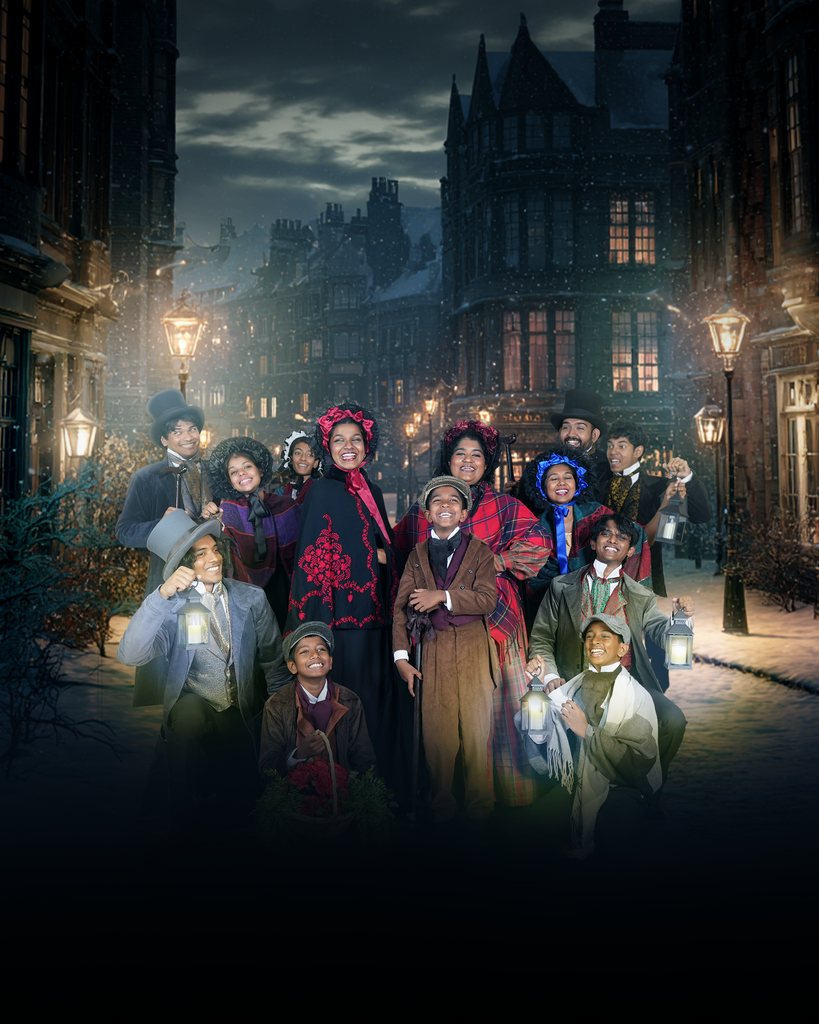
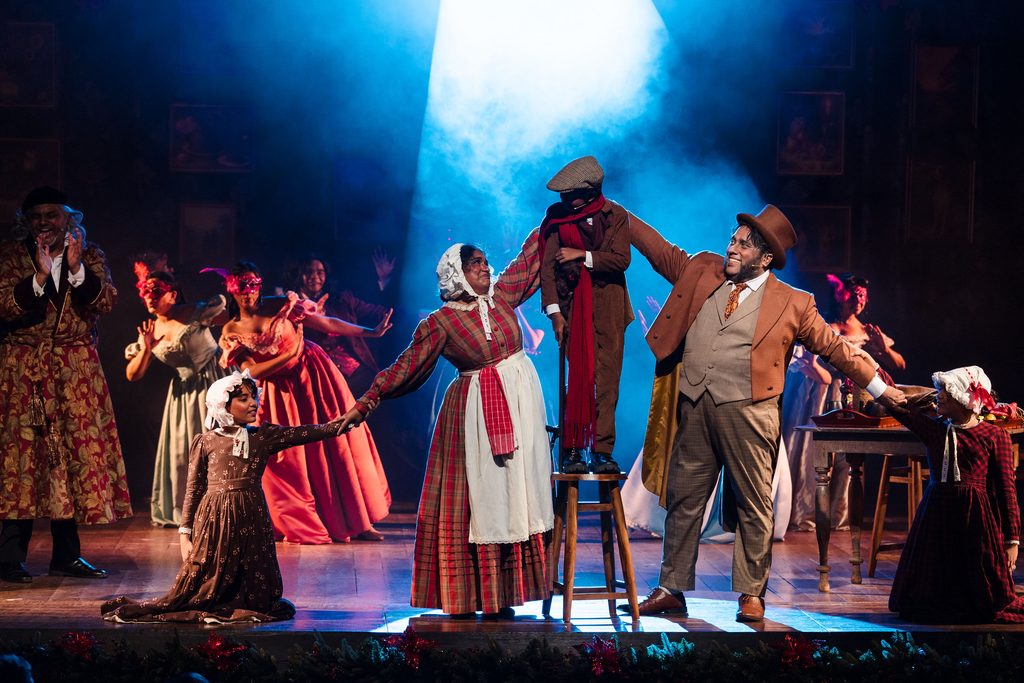
Many who join us for one show stick around for years or decades. Even with the cast of ‘Christmas Carol,’ several have been in the cast for three years – Tiny Tim and Little Scrooge, for example, and even some of the adults have been in the group for a decade or more. Several have met their life partners or spouses in the group and we all regard it as family.
I am selective of those we bring into the family for mentorship though since that takes a greater effort from me. I usually select just two to three newcomers who will rapidly grow to be star performers within a year of mentorship. It’s all free, as always, but I select those who are exceptionally talented or exceptionally enthusiastic for development. We do however always open the doors wide for newcomers for our big productions each year. We hope to bring in many enthusiastic actors for the cast of ‘Treasure Island’ next year.
To close, what is your message to those hoping to attend ‘CentreStage Musicals’ on 19 November?
Don’t miss ‘CentreStage Musicals’ – our celebration of musical drama – on 19 November at the Lionel Wendt Theatre. The show features the top names of musical theatre in Sri Lanka, including Sean Amarasekara, Shehara Liyanage, Dion Nanayakkara, Rachel Hettiarachchi, Joanne Rajiyah, Movin Perera, Ayushka Nugaliyadda, Nadine Ollegasegram, and others. The tickets are selling out, so please call the Lionel Wendt Theatre on 0112695794 or book online at MyTickets.lk without delay.










Leave a comment