
By The Pulseline News Desk
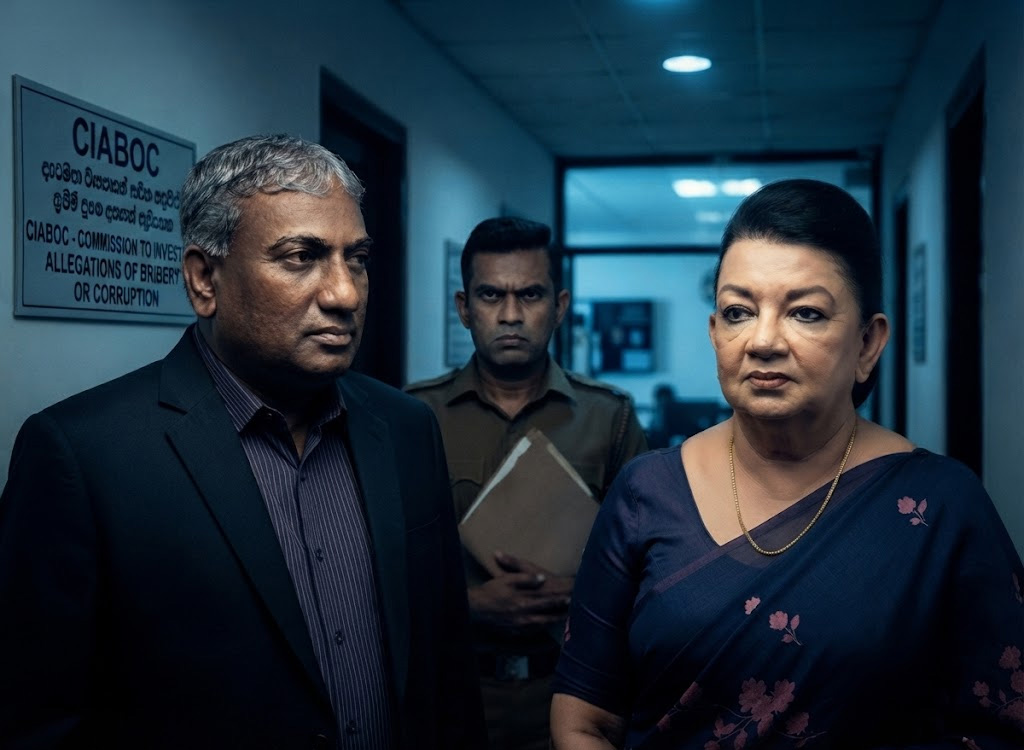
A long-running investigation into the financial affairs of former First Lady Shiranthi Rajapaksa has taken a significant turn, with the Commission to Investigate Allegations of Bribery or Corruption (CIABOC) moving against her over allegations linked to Rs. 10 million obtained from a state bank.
The investigation has also brought renewed scrutiny on former National Savings Bank (NSB) Chairman Pradeep Kariyawasam, who has previously provided a statement to investigators concerning the transaction.
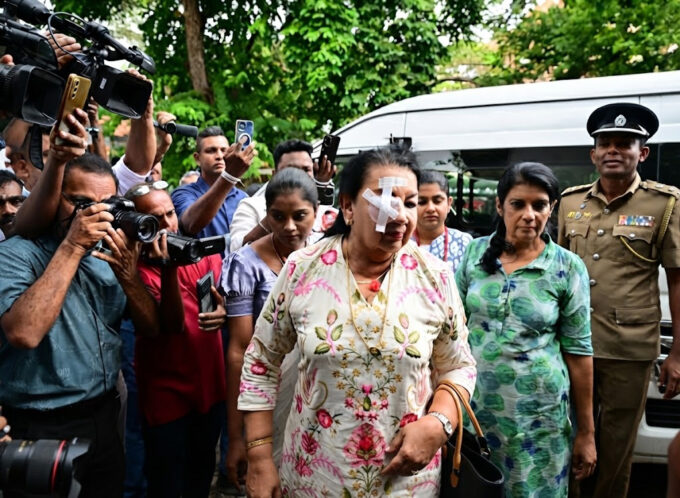
CIABOC officers arrested Shiranthi Rajapaksa on Wednesday (7) after recording a statement from her at her residence in Kirulapone. The arrest relates to allegations that Rs. 10 million obtained from a state bank was improperly used, with investigators examining possible offences under corruption laws and the Public Property Act.
The development follows weeks of investigation into the financial activities of the Siriliya Saviya Foundation, an organisation associated with the former First Lady.
The Rs. 10 million question
At the centre of the inquiry is a Rs. 10 million transaction involving the National Savings Bank and funds reportedly intended for the purchase of medical equipment for the Lady Ridgeway Hospital for Children.
Investigators have been examining whether the money deposited into an account linked to Siriliya Saviya was ultimately used for the purpose for which it was obtained.
According to previous reports, investigators had found that a scanner presented to the children’s hospital was a PET scanning machine donated by China, rather than a CT scanner purchased through the fundraising effort involving the Rs. 10 million.
The precise movement and eventual use of the money have consequently become a central question in the investigation.
Kariyawasam’s role
Pradeep Kariyawasam, who served as Chairman of the NSB at the time of the transaction, has already been questioned by investigators.
Kariyawasam previously gave a statement to investigators concerning the circumstances surrounding the release of the Rs. 10 million.
His involvement places a former head of a major state financial institution at the centre of questions over how the funds were authorised and transferred.
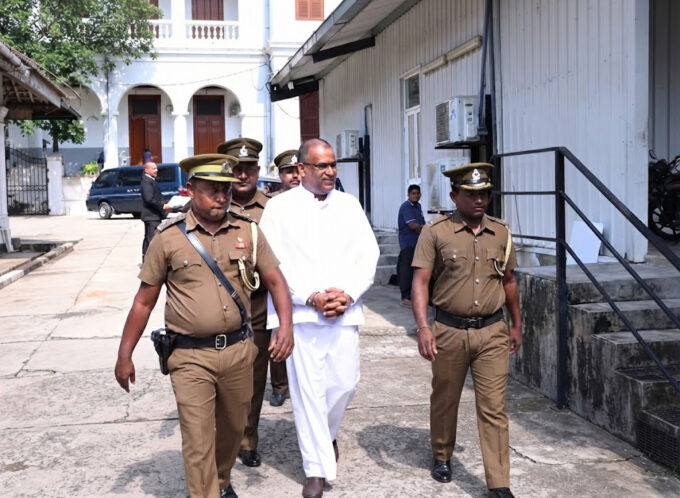
However, CIABOC has now arrested Kariyawasam in connection with the probe as well.
A wider investigation
The inquiry comes against the backdrop of a broader examination of the financial affairs of the Siriliya Saviya Foundation.
Investigators had initially sought a statement from Shiranthi after examining transactions involving the foundation’s accounts. She was summoned by investigators in September but subsequently travelled overseas for medical treatment.
After returning to Sri Lanka earlier this week, she was again required to appear before investigators.
The investigation subsequently moved from questioning to arrest, with CIABOC taking her into custody on Wednesday.
The CIABOC alleges that she had obtained Rs. 10 million from a state bank and that the subsequent handling of the funds may constitute offences under the Public Property Act and corruption-related provisions.
Those allegations remain subject to the legal process, and an arrest does not in itself establish guilt.
Kariyawasam’s earlier corruption case
The latest investigation also places renewed attention on Kariyawasam’s earlier legal history.
In 2018, the Colombo Magistrate’s Court imposed a five-year suspended prison sentence and a Rs. 300,000 fine on Kariyawasam following his conviction in a corruption case concerning the NSB’s purchase of shares in The Finance Company.
Kariyawasam is also the husband of former Chief Justice Shiranee Bandaranayake, adding another prominent public figure to a case that has already attracted considerable attention because of its links to the former Rajapaksa administration.
What happens next?
The immediate focus is expected to be on the legal proceedings arising from CIABOC’s investigation and on whether further individuals connected to the disputed transaction will face legal action.
For investigators, the central questions remain: How was the Rs. 10 million obtained? Who authorised its release? How was it transferred and ultimately used? And was the money used for the purpose for which it was obtained?
The answers will determine the next stage of a case that has now drawn together a former First Lady, a former state-bank chairman and a disputed transaction involving public-sector funds.







Leave a comment