
By The Pulseline News Desk
Sri Lanka is witnessing a worrying resurgence of dengue, with infections surpassing 53,000 this year as heavy monsoon rains create ideal conditions for mosquito breeding, prompting health authorities to warn of a potentially prolonged outbreak.
According to the National Dengue Control Unit (NDCU), 53,159 dengue cases had been reported by the 25th epidemiological week of 2026, while the disease has claimed 31 lives. Nearly 20,000 infections were recorded in June alone, highlighting a dramatic acceleration in transmission after relatively stable case numbers during the first five months of the year.
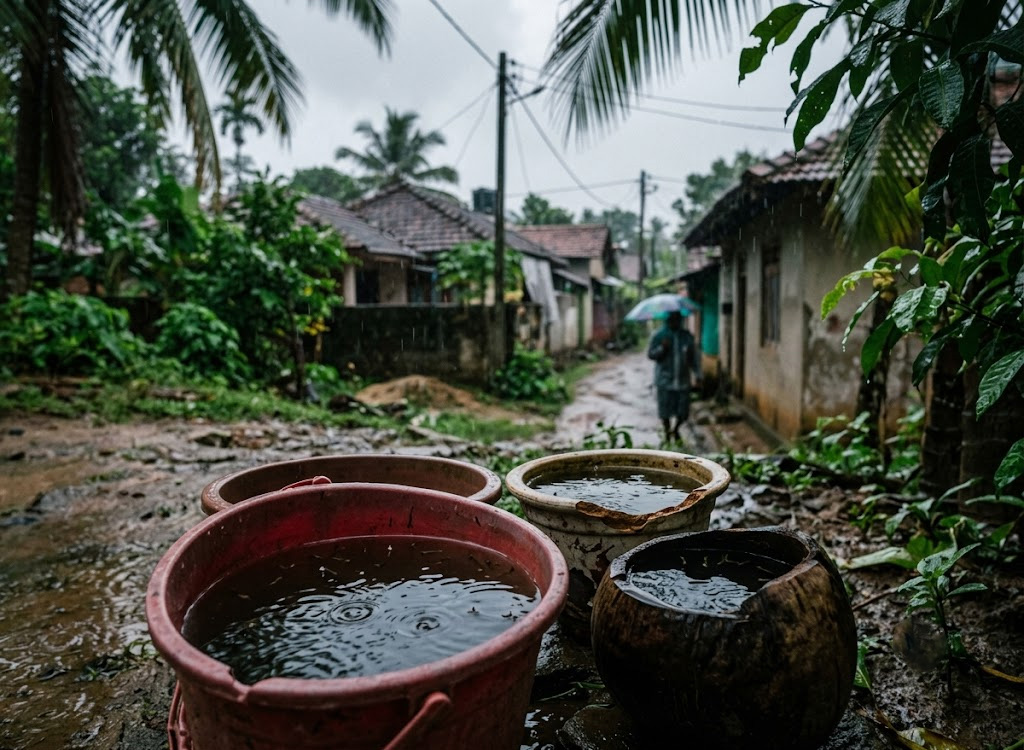
Health officials reported 19,318 cases in June, compared with monthly totals that remained below 10,000 between January and May. The sharp increase coincides with the southwest monsoon, when frequent rainfall leaves behind pools of stagnant water that serve as breeding grounds for Aedes aegypti and Aedes albopictus mosquitoes – the primary carriers of the dengue virus.
The Western Province continues to bear the brunt of the outbreak, recording 27,833 cases, or 52.36 per cent of the national caseload. Authorities have also identified 124 Medical Officer of Health (MOH) divisions as high-risk areas requiring intensified surveillance and vector control measures.
Health officials are urging households, businesses and institutions to conduct regular inspections of their premises to eliminate stagnant water, destroy mosquito larvae and pupae, and maintain clean surroundings. Public cooperation, they say, remains essential in preventing further transmission during the rainy season.
Persistent public health challenge
Dengue has remained one of the country’s most significant public health concerns for decades, with seasonal outbreaks occurring almost every year. The disease is endemic across much of the country, and transmission typically intensifies during the southwest and northeast monsoon seasons when rainfall increases mosquito breeding.
The country’s worst dengue epidemic occurred in 2017, when more than 186,000 cases and over 300 deaths were reported, overwhelming hospitals and prompting large-scale vector control campaigns. Since then, authorities have strengthened surveillance, community awareness programmes, school inspections and environmental clean-up drives to reduce the impact of recurring outbreaks.
Despite these efforts, experts note that rapid urbanisation, poor waste management, construction sites, climate variability and intermittent rainfall continue to create favourable conditions for mosquito breeding, making dengue control an ongoing challenge.
Recognising the risks
Dengue is a viral infection transmitted through the bite of infected Aedes mosquitoes, which are most active during daylight hours, particularly in the early morning and late afternoon. Symptoms commonly include high fever, severe headache, pain behind the eyes, muscle and joint pain, nausea and skin rashes.
While many patients recover within a week, some develop severe dengue, a potentially life-threatening condition that can cause internal bleeding, organ damage and shock. Early medical attention is considered critical, particularly for patients experiencing persistent vomiting, abdominal pain, bleeding or difficulty breathing.
With the rainy season expected to continue over the coming weeks, health authorities warn that sustained community action will be crucial in preventing further escalation. They have appealed to the public to dedicate at least 30 minutes each week to inspecting homes and surrounding areas for potential mosquito breeding sites, stressing that dengue prevention depends as much on individual responsibility as it does on public health interventions.












Leave a comment