
By The Pulseline News Desk
Health authorities have raised concerns over a steady increase in HIV infections among young people in Sri Lanka, particularly those aged between 15 and 24, warning that the trend requires greater public awareness, early testing and preventive action.
The concern comes ahead of World AIDS Day on December 1, which will be observed this year under the theme “Unite for Services to End AIDS.” The issue was highlighted by health officials during a media briefing aimed at raising awareness about HIV prevention, testing and treatment.
Community Health Specialist Dr. Madhavi Gunathilaka of the National STD/AIDS Control Programme has said newly identified HIV infections had continued to increase in recent years, with 874 new cases detected in 2025 alone.
According to estimates by UNAIDS, approximately 8,700 people were living with HIV in Sri Lanka in 2025, of whom around 87% were men.
Dr. Gunathilaka has said an analysis of data dating back to 2010 had revealed a gradual but consistent increase in infections among the 15–24 age group, prompting concern among health authorities.
However, specialists have stressed that an HIV diagnosis is no longer a death sentence, provided the infection is detected early and patients receive appropriate treatment.
Specialist Dr. Vinu Dharmakulasinghe has said effective HIV treatment was available free of charge through government sexual health clinics and public hospitals across the country.
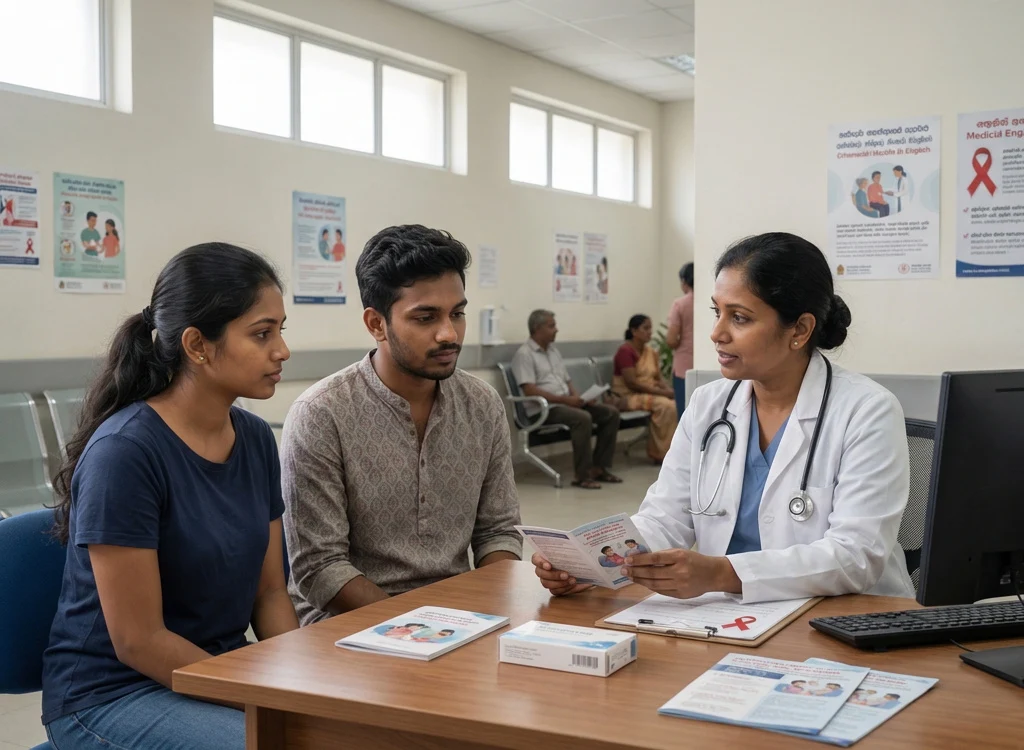
He has urged the public not to delay testing, noting that confidential HIV screening services were accessible through the public healthcare system.
He has also drawn attention to the know4sure.lk platform, which enables individuals to assess their HIV risk, make appointments at nearby sexual health clinics and request self-testing kits for home delivery.
Meanwhile, Specialist Dr. Umedha Jayasinghe has said advances in HIV treatment had significantly improved the quality of life of people living with the virus.
Modern medications are more effective, have fewer side effects and can often be taken as a single daily tablet. She has also highlighted developments in long-acting injectable treatments, which can be administered once every few months, as evidence of continuing progress in HIV research and care.
Health authorities have also underscored the importance of prevention, including responsible sexual behaviour, consistent use of preventive measures and limiting exposure to HIV through informed choices.
Biomedical prevention strategies are also playing an increasingly important role internationally in reducing new infections.
With HIV cases among younger people showing an upward trend, health officials are urging the public to overcome stigma and make greater use of freely available testing and treatment services.
They have stressed that early diagnosis, timely treatment and greater awareness remain essential to controlling the spread of HIV and ensuring that people living with the virus can lead healthy lives.













Leave a comment