
By The Pulseline News Desk
The release of Sri Lanka’s Household Income and Expenditure Survey (HIES) report for 2025 has been postponed by two months to December due to delays in data processing and verification, Parliament announced on Friday (16).
The report, originally scheduled for release in October 2026, is being compiled by the Department of Census and Statistics (DCS) under the Ministry of Finance, Planning and Economic Development.
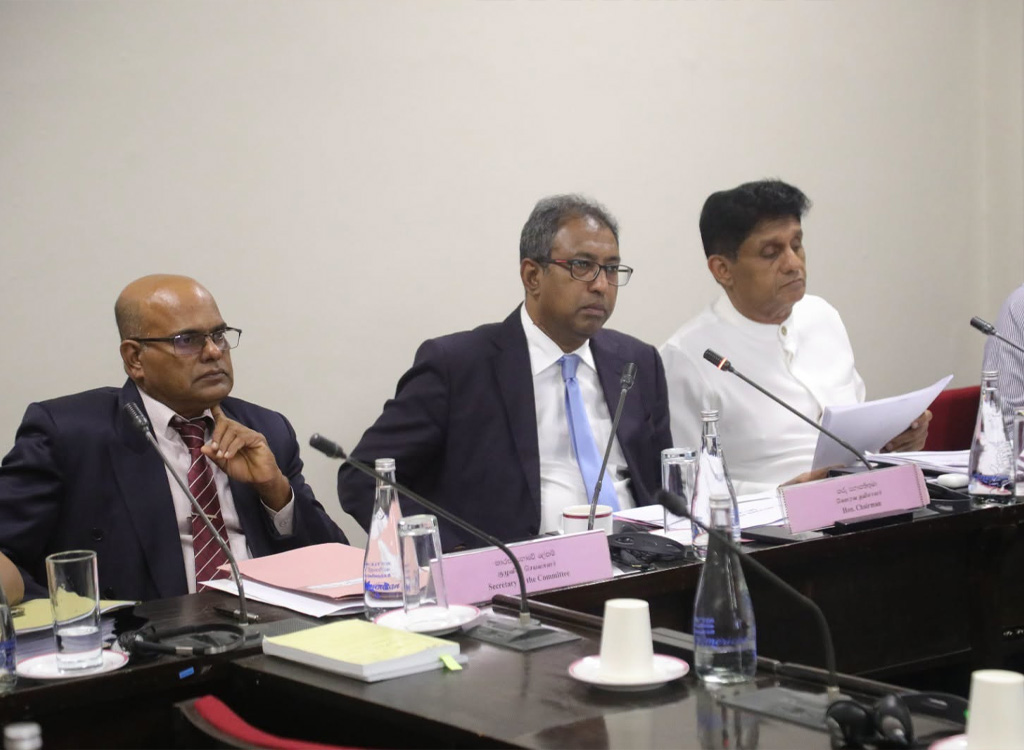
According to Parliament, officials had informed the Committee on Public Finance (CoPF) earlier this week that complexities in data cleaning, delays in computerisation, staff vacancies and work associated with the Economic Survey had contributed to the postponement.
The survey has covered 25,000 households across the country over a 12-month period. Data cleaning, verification and analysis are currently underway.
The CoPF has discussed the status of poverty, income distribution and household welfare, focusing on the collection of socioeconomic data, the methodologies used to calculate the poverty line and the use of survey findings in policymaking.
The discussion has also highlighted the importance of updating the consumer basket used to calculate the poverty line to reflect changes in socioeconomic conditions and the current cost of living.
Concerns were raised over whether calculations based on outdated data and commodity baskets adequately capture the cost of meeting basic household needs.
The committee has also stressed the importance of ensuring that survey findings are published on time to help identify changes in household economic conditions and improve policy responses.
Implications for welfare targeting
The accuracy and timeliness of household income and expenditure data are particularly important for determining eligibility for social welfare programmes, including the Aswesuma scheme.
The committee has highlighted the need for data used to identify welfare beneficiaries to reflect current household income and expenditure levels.
Fragmented databases, outdated administrative records and weaknesses in household-level information can undermine the effectiveness of social assistance programmes by allowing ineligible households to receive benefits while excluding vulnerable groups.
The absence of reliable and regularly updated household data can also complicate efforts to direct public funds towards those most affected by economic shocks.
Accurate household information is therefore essential to improving the targeting of welfare payments, reducing administrative inefficiencies and ensuring that limited fiscal resources reach those most in need.
The HIES findings are expected to provide updated information on household incomes, expenditure patterns and living conditions, helping policymakers assess poverty and income distribution and formulate appropriate social protection measures.
The survey data are collected and compiled by the DCS, while the Ministry of Finance, Planning and Economic Development, the Central Bank of Sri Lanka and the Welfare Benefits Board are among the institutions involved in collecting or utilising socioeconomic information for policy and welfare-related purposes.













Leave a comment