
Dr. Nadee Dissanayake
In Sri Lanka, a couple can spend months planning a wedding that lasts just a few hours. Families save for years, parents worry about the guest list, and young people carefully choose their clothes, venues, decorations and photographs. In the middle of all the planning, an important question often goes unasked: Are we helping two people begin their life together, or creating a celebration to impress everyone else?
A wedding has always held a special place in Sri Lankan family life. It brings relatives together, preserves cultural traditions and marks the beginning of a new chapter for two people. From the poruwa ceremony and traditional customs to the sharing of a meal with family and friends, a wedding can be a deeply meaningful occasion. But somewhere along the way, the celebration itself seems to have become almost as important as the marriage.
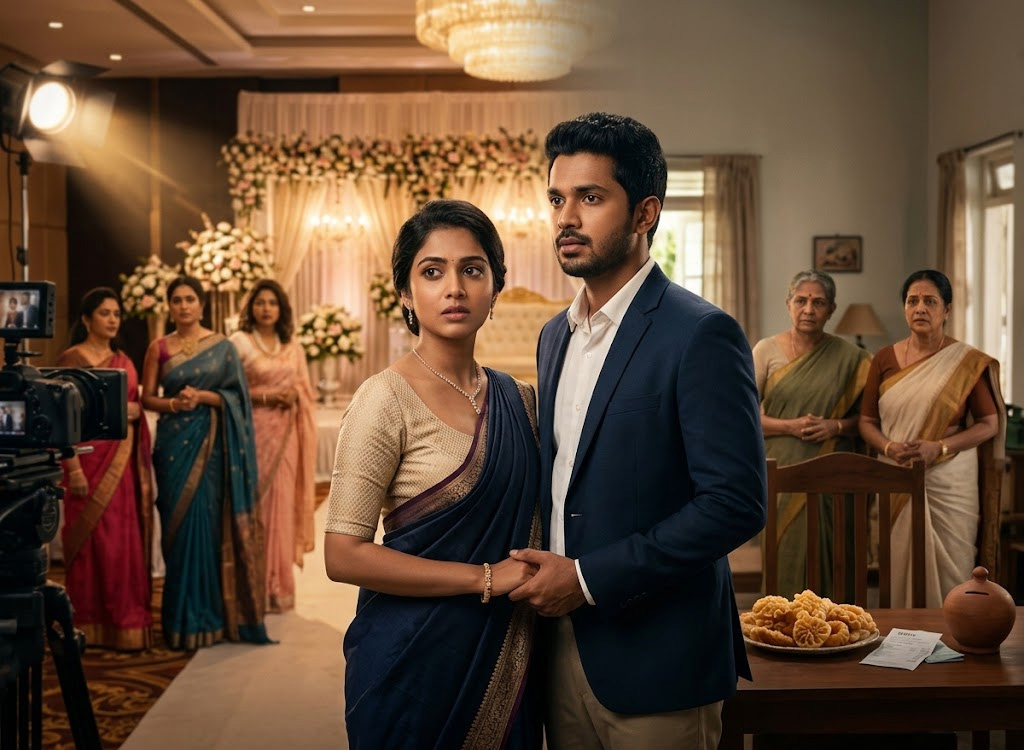
Walk into a modern Sri Lankan wedding and you can see how much things have changed. Grand hotel ballrooms, elaborate flower arrangements, designer sarees and suits, professional photography and cinematic videos are now familiar features of many celebrations. Some couples arrange pre-wedding photo shoots, several changes of clothes and functions spread across a few days. Wanting a beautiful wedding is perfectly understandable. But it is worth asking when celebrating a marriage began to involve so much attention to appearance and status.
In Sri Lanka, weddings are rarely seen as the responsibility of the couple alone. Parents, siblings, grandparents and relatives often contribute money, jewellery, gifts, time and effort. For many parents, arranging a child’s wedding is a lifelong dream, and they want to make the occasion special. This generosity is one of the strengths of our family culture. However, family involvement can also make wedding decisions complicated, particularly when different people have different expectations about what the occasion should look like.
Playing to the audience
The familiar question, “What will people say?”, still carries considerable weight in our society. A smaller reception may invite questions. A simpler outfit may be compared with someone else’s designer creation. A couple who choose not to follow certain customs may have to explain their decision to relatives. In some families, the size of the wedding is treated almost as a reflection of the family’s social standing. As a result, the couple’s personal preferences can become secondary to what others expect.
Social media has added another dimension to this culture of comparison. Wedding photographs and videos now travel far beyond the guest list, allowing celebrations to be viewed by friends, relatives and acquaintances across Sri Lanka and overseas. Couples may feel that their wedding should look just as impressive as the celebrations they see online. The result is a growing tendency to plan not only for the people attending the wedding, but also for the audience that will see it afterwards.
This can have real financial consequences. Sri Lanka’s economic difficulties and rising living costs have made financial planning especially important for young people. Many couples are trying to establish their careers, save for a house, manage transport and living expenses, or support their parents. But a wedding can consume savings built up over several years. Some families use fixed deposits, borrow money or take on additional financial commitments to meet the cost. Others may quietly sacrifice plans that would have helped the couple establish a more secure future.
There is something worth thinking about here. A wedding is intended to mark the beginning of a shared life, but excessive spending can leave a couple with financial worries from the very start. Money that could have helped with a house deposit, further education, a business or emergency savings may instead be spent on a celebration lasting only a few hours. This does not mean that couples should avoid spending on their weddings. It means that the cost should reflect their circumstances and priorities, rather than a standard they feel obliged to meet.
Role in economy
We must also recognise the important role weddings play in Sri Lanka’s economy. Hotels, reception halls, caterers, florists, dressmakers, jewellery businesses, photographers, musicians, decorators and wedding planners all benefit from these events. Many small businesses and self-employed workers depend on wedding-related income. A well-organised celebration can provide livelihoods and support local enterprise. The issue, therefore, is not the wedding industry itself, but whether the pursuit of a grand celebration sometimes overshadows the purpose of the occasion.
Sri Lankan weddings also vary across communities and traditions. Sinhala, Tamil, Muslim, Burgher and other families may follow different customs, ceremonies and expectations. Even within the same community, a village wedding may look very different from a reception in a Colombo hotel. There is no single correct way to celebrate a marriage. Our cultural diversity should allow couples to choose arrangements that reflect their beliefs, family traditions and financial circumstances, rather than encouraging everyone to follow the same expensive model.
Perhaps we need to return to a simple principle: a wedding should bring people together, not place a family under unnecessary strain. A modest ceremony followed by a meal with close relatives and friends can be just as meaningful as a large reception. A carefully chosen saree, a family-prepared sweet or a gathering in a familiar community setting may hold more personal value than an elaborate arrangement selected mainly for its appearance. What makes an occasion memorable is not necessarily how much it costs, but the warmth and happiness shared by those who attend.
After all, the real test begins the morning after the wedding. The guests return to their homes, the decorations are removed, and the couple begins the everyday work of building a life together. They must learn to manage money, respect each other’s differences, balance responsibilities towards both families, support each other’s ambitions and make decisions about their future. They may face illness, unemployment, unexpected expenses or other challenges that no wedding plan can anticipate.
These are the realities that determine the strength of a marriage. A grand reception cannot guarantee understanding, and an expensive wedding cannot buy mutual respect. What matters is the ability of two people to communicate honestly, manage difficulties together and build a home where both feel valued and secure.
Personal celebration
Years later, a couple may not remember the exact cost of the flowers, the number of guests or every detail of the reception. They may remember a parent’s tears of happiness, a grandparent’s blessing, friends dancing together or an unexpected moment that made everyone laugh. These memories are often the most precious because they are connected to people and emotions, not expenditure.
Sri Lanka has a rich tradition of hospitality, generosity and family solidarity. We should preserve these qualities without allowing celebration to become a measure of wealth or social position. Parents should be able to celebrate their children’s marriages without feeling that they must compete with other families. Young couples should be able to make sensible financial decisions without being embarrassed by choosing a simpler occasion.
Perhaps the next change in our wedding culture should not be about making celebrations bigger, but about making them more personal, meaningful and financially affordable. A wedding can be grand or modest, traditional or modern. The important thing is that it reflects the couple’s wishes, respects their circumstances and allows them to begin married life on a sound footing.
Disclaimer: The views and opinions expressed in this article are those of the writer and do not necessarily reflect the official position of this publication.








Leave a comment