
By The Pulseline News Desk
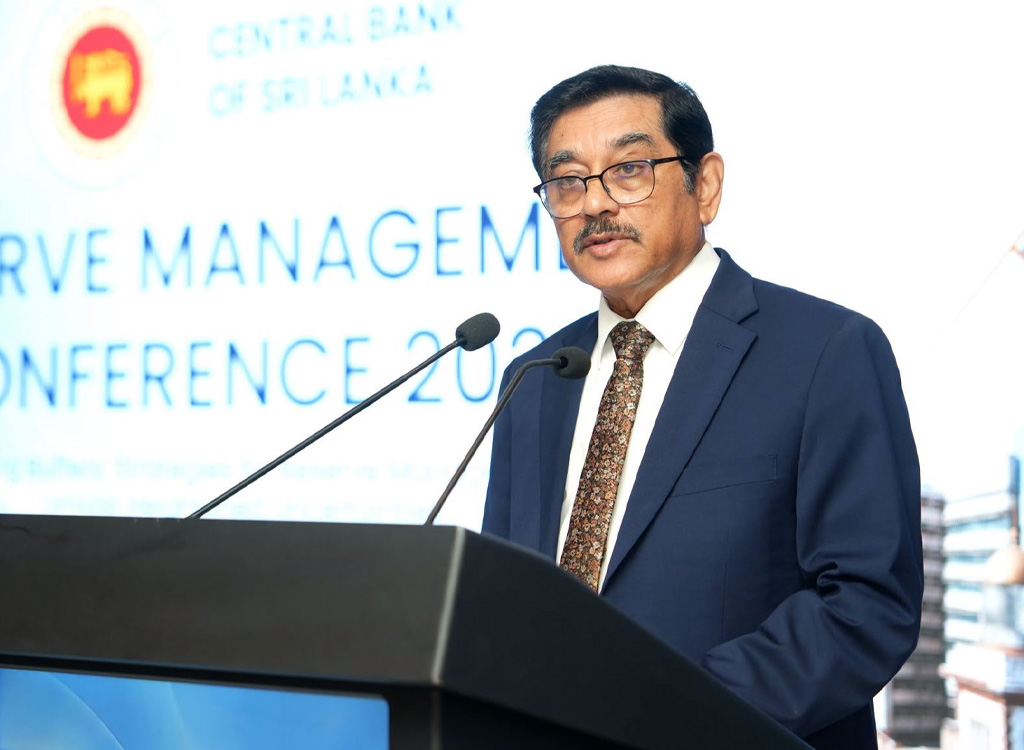
Sri Lanka’s inflation is expected to remain elevated at around 8% through early 2027 before easing towards the Central Bank’s 5% target after the second quarter of 2027, Central Bank of Sri Lanka (CBSL) Governor Dr. Nandalal Weerasinghe said.
The forecast comes as the CBSL’s Monetary Policy Board decided to maintain the Overnight Policy Rate (OPR) at 8.75%, opting to assess the impact of recent monetary policy measures amid evolving domestic and global conditions.
The Board said its decision considered the effects of proactive monetary policy tightening introduced in May 2026, together with other measures that have already taken effect.
Inflation remains a key policy challenge
Speaking at a media briefing, Governor Weerasinghe said authorities expected inflation to gradually moderate towards the 5% target after the second quarter of 2027.
The Central Bank and Government have already introduced monetary and fiscal measures aimed at limiting the impact of elevated inflation, he said.
The latest outlook means price pressures are likely to remain a concern for households and businesses in the months ahead, even as policymakers seek to prevent inflation from becoming entrenched.
The CBSL’s decision to hold the OPR at 8.75% also indicates that policymakers are continuing to assess the impact of the tightening measures introduced earlier this year rather than immediately changing the policy rate again.
Economic recovery continues
The inflation challenge is unfolding alongside a relatively resilient economic recovery.
Sri Lanka’s economy recorded real growth of 4.7% year-on-year during the first half of 2026, while leading economic indicators suggest that domestic activity has continued to gain momentum.
CBSL, however, has warned that the outlook remains vulnerable to developments beyond the Government’s direct control.
Geopolitical tensions in the Middle East remain a key source of uncertainty, particularly given their potential implications for international energy and commodity prices.
At the same time, the possibility of El Niño conditions presents another risk, with potential consequences for agriculture, food supply and prices.
Credit growth slows
CBSL also reported that growth in private-sector credit has gradually moderated following recent policy measures.
Despite the moderation, the Monetary Policy Board expects credit flows to remain adequate to support economic activity.
This leaves policymakers balancing two objectives – containing inflation while ensuring that tighter financial conditions do not unnecessarily weaken the recovery.
Governor Weerasinghe said the authorities would continue to use monetary and fiscal policy tools as necessary should additional uncertainties emerge.
CBSL’s current position therefore reflects a cautious approach — maintaining the existing policy rate while allowing earlier measures to work through the economy.
For consumers, the immediate outlook remains one of elevated prices, with inflation expected to stay significantly above the 5% target in the near term. For policymakers, the longer-term objective is to bring price pressures back under control without disrupting the economic recovery.
The projected return to 5% inflation after the second quarter of 2027 will consequently depend not only on domestic policy measures, but also on how global energy prices, geopolitical tensions, climate conditions and domestic demand evolve over the coming months.













Leave a comment