
By The Pulseline News Desk
Damage caused by recent unrest at five Sri Lankan prisons has been estimated at more than Rs. 255 million, prompting the Government to intensify efforts to strengthen prison security, rehabilitation and measures to curb drug-related violence among inmates.
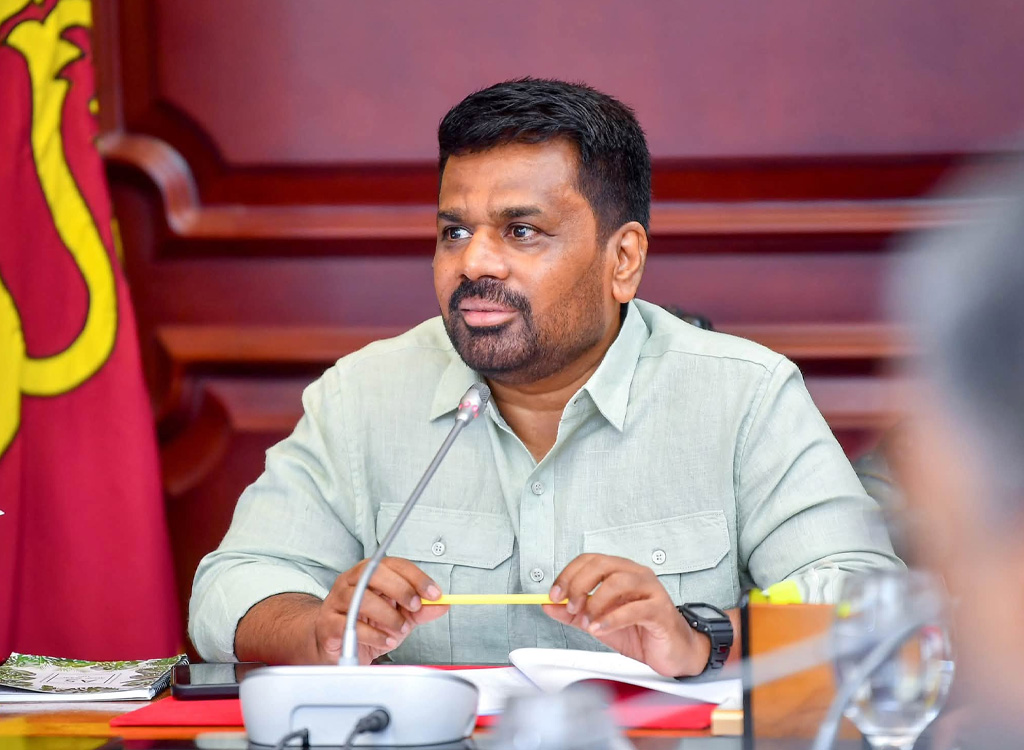
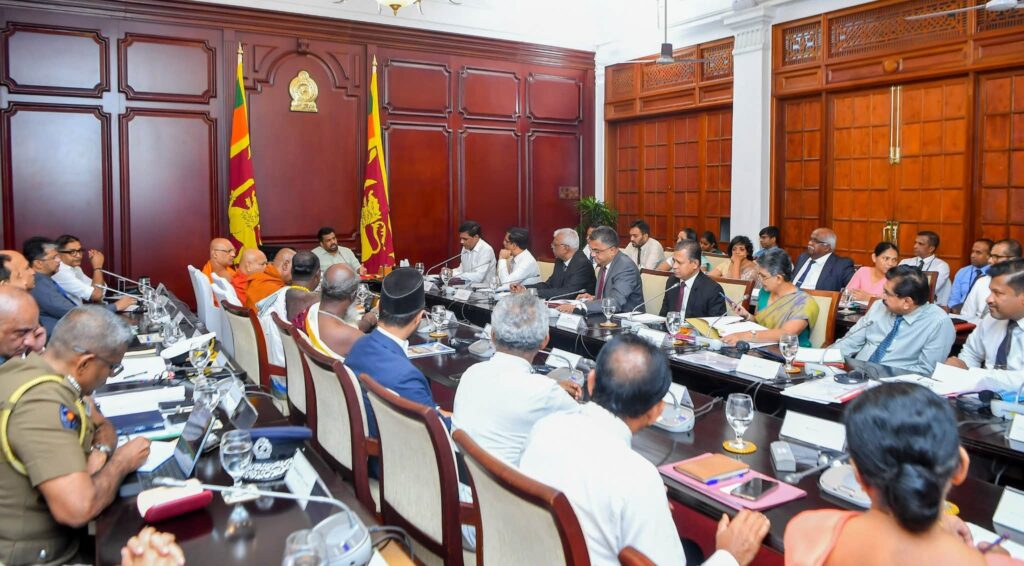
The damage estimate was disclosed at a “Rataama Ekata” National Operations Council meeting chaired by President Anura Kumara Dissanayake on Monday (10), where officials reviewed the situation at the Negombo, Mahara, Magazine, Pallansena and Kuruwita prisons.
The meeting had focused not only on the physical damage caused by the prison unrest but also on the underlying issues contributing to violence among inmates, including drug use, mental health concerns and gaps in rehabilitation services.
Psychiatric support to be strengthened
Officials had discussed measures to prevent further violent incidents involving prisoners, including expanding access to psychiatric and mental-health services within the prison system.
The Government has increasingly come under pressure to address overcrowding, drug-related activity and security weaknesses in prisons following a series of disturbances in recent weeks.
President Dissanayake had directed officials to accelerate work on amendments to the Rehabilitation Act No. 54 of 2007, aimed at strengthening the legal framework governing rehabilitation.
He had also instructed authorities to expedite legal drafting work, with the possibility of recruiting experienced retired officials on a contractual basis to address delays at the Legal Draftsman’s Department.
The move is intended to overcome bottlenecks in preparing legislation needed for the Government’s rehabilitation and law-enforcement initiatives.
Drug prevention moves beyond prisons
The meeting had also placed considerable emphasis on preventing drug use before it reached the prison system, particularly among schoolchildren.
Officials had reviewed the progress of the “Mithuru Pasala” programme, jointly implemented by the Ministries of Education and Health to prevent drug use among children.
The programme is designed to strengthen students’ personalities while training teachers, principals and school counsellors to identify children who may be using drugs and provide appropriate guidance and support.
President Dissanayake had called for the programme to be expanded through targeted interventions in schools located in areas with high levels of drug risk and population density.
Officials had also raised concerns about an apparent increase in drug use among children attending international schools, highlighting the need for prevention programmes to extend beyond conventional high-risk communities.
Parents urged to remain vigilant
The role of parents in identifying early signs of drug use was also discussed.
Officials had noted that drug-testing kits are available through pharmacies, providing parents with an option to test their children where there are reasonable concerns about possible drug use.
At the same time, the meeting had considered the growing use of the internet and social media to promote drugs, with officials examining how the same platforms could be used more aggressively to spread anti-drug messages and awareness among young people.
The focus marks a shift towards treating drug prevention as a broader social and public-health issue rather than relying solely on arrests and law-enforcement measures.
Six-pronged national strategy
The meeting had also reviewed progress under a revised six-part national strategy on drug control.
The strategy covers:
- Drug prevention;
- Early detection;
- Rehabilitation;
- Legal and institutional reforms;
- Relapse prevention and follow-up;
- Planning, regulation, review and reporting.
The Government is seeking to bring multiple state institutions under a coordinated framework covering prevention, enforcement, treatment and rehabilitation.
The programme involves the Ministry of Health and Mass Media, Ministry of Education, Higher Education and Vocational Education, Ministry of Public Security and Parliamentary Affairs, National Dangerous Drugs Control Board, Bureau of Rehabilitation, Sri Lanka Police, armed forces and other state institutions.
The latest meeting therefore has placed the recent prison unrest within a much wider policy challenge: rebuilding damaged prison infrastructure while addressing the drug, mental health and rehabilitation problems that continue to contribute to violence inside the prison system.









Leave a comment