
By The Pulseline News Desk
Sri Lanka must move beyond debt-financed spending and consumption-led expansion towards private investment, competitive exports and higher-quality employment to sustain its post-crisis recovery, the Institute of Policy Studies of Sri Lanka (IPS) has warned.
In its annual report, Sri Lanka: State of the Economy 2026: Policy Choices for Durable Growth, the think-tank has said the country had restored some macroeconomic stability following its economic crisis but continued to face significant fiscal and external constraints that limited its capacity to sustain growth through traditional means.
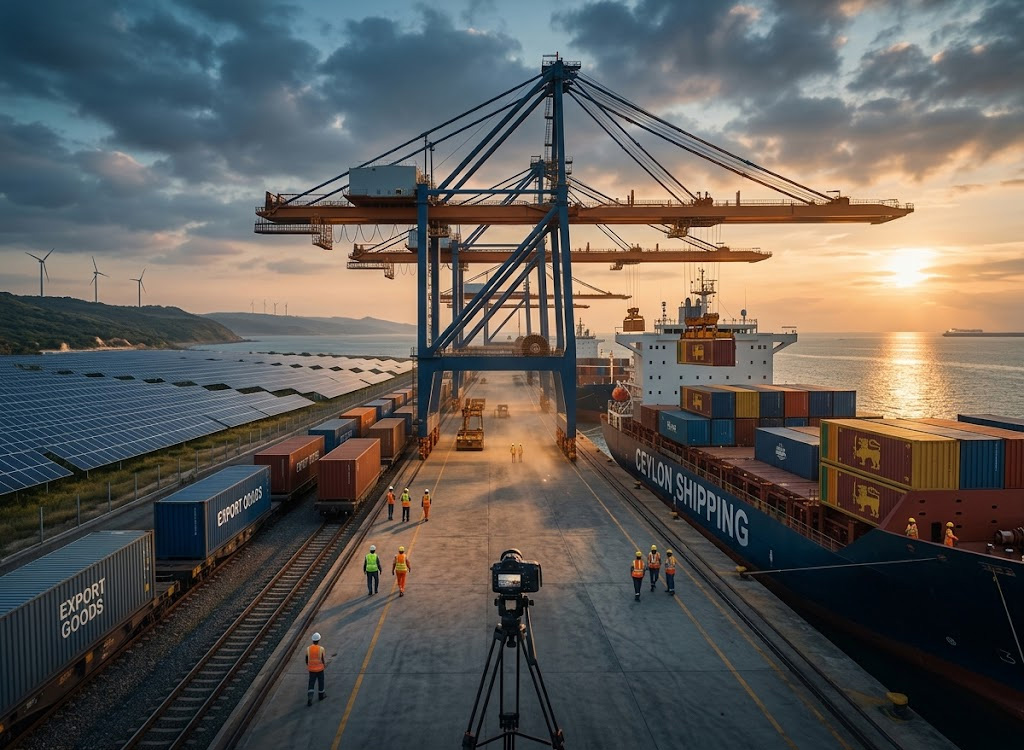
The report has argued that tax concessions, debt-financed expenditure and import-intensive consumption can no longer serve as the principal drivers of economic expansion, stressing the need for a growth model centred on productivity, competitiveness and resilience.
“The challenge then is to accelerate growth without reopening the fiscal and external vulnerabilities that contributed to the crisis,” IPS has said.
It has emphasised that the next phase of Sri Lanka’s recovery would require higher private investment, a more diversified and competitive export sector, and more effective use of limited public resources while preserving macroeconomic stability.
The report has also warned that the country must prepare for increasingly complex economic challenges, including climate-related disruptions, energy shocks and changes in the global economic environment.
“The country now faces a more complex challenge in ensuring that recovery evolves into a durable growth process that can withstand future shocks and deliver broad-based improvements in living standards,” IPS has said.
Resilience central to growth
The report has identified climate resilience and energy security as critical components of Sri Lanka’s long-term development strategy, pointing to recent climate-related disruptions, including Cyclone Ditwah, and global energy shocks as reminders of the economy’s vulnerability to external and environmental pressures.
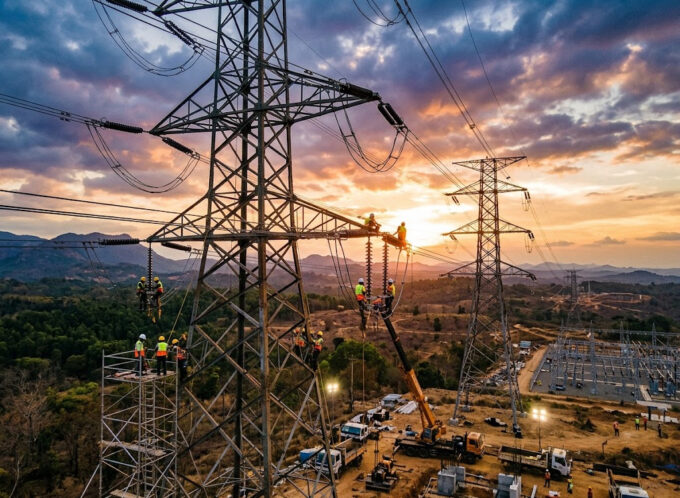
IPS has said investment in renewable energy, food systems, infrastructure and disaster preparedness would be essential to safeguarding future economic growth and reducing exposure to such shocks.
Strengthening resilience, it has argued, should not be treated as a separate environmental priority but integrated into the country’s wider economic development agenda.
The report has also highlighted the importance of improving infrastructure and promoting regional development to ensure that economic opportunities extend beyond established commercial centres.
Such investments could help address regional disparities while supporting more inclusive economic growth.
Jobs, skills and social protection
Beyond macroeconomic management, IPS has called for reforms to strengthen human capital, improve labour market outcomes and expand access to better-quality employment.
The report has identified skills gaps and weaknesses in labour market outcomes as areas requiring policy attention, arguing that sustainable growth must translate into meaningful improvements in employment and living standards.
It has also stressed the need to strengthen social protection systems to ensure that vulnerable groups are not left behind as the economy undergoes structural reforms.
The report’s recommendations span trade policy, fiscal management, labour markets, urbanisation, energy, agriculture, social protection and human capital development, reflecting the interconnected nature of the challenges facing Sri Lanka.
Balancing growth with stability
The IPS assessment has placed the sustainability of Sri Lanka’s recovery at the centre of the policy debate, highlighting the need to balance economic expansion with fiscal discipline and external sector stability.
A greater reliance on private investment and export competitiveness would require policies that improve productivity, strengthen the business environment and enable firms to compete more effectively in international markets.
At the same time, more efficient public spending would be necessary to ensure that scarce Government resources support long-term development priorities without recreating the vulnerabilities that contributed to the economic crisis.
The report has concluded that Sri Lanka’s long-term development ambitions remain achievable, provided reforms strengthen competitiveness, build resilience to future shocks and ensure that the benefits of economic growth are shared more broadly across society.










Leave a comment