
By The Pulseline News Desk
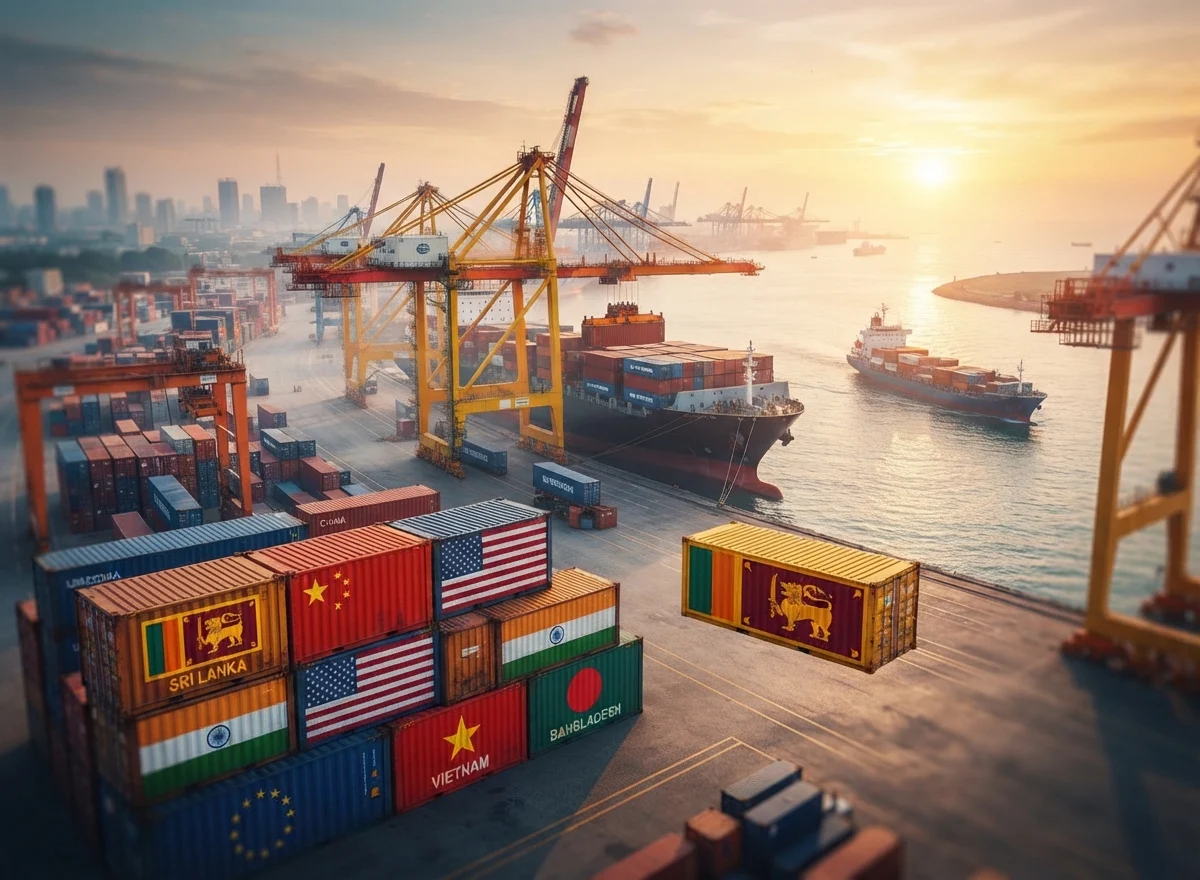
Sri Lanka has been spared from the latest round of proposed US tariffs targeting 14 major trading partners, including China, the European Union, India, Bangladesh and Vietnam, potentially giving local exporters a competitive advantage in the American market.
The United States Trade Representative (USTR) has announced on November 25 that it had concluded investigations into the trade practices of 14 economies under Section 301 of the Trade Act of 1974 and proposed additional tariffs on imports from those markets.
The countries and jurisdictions targeted include China, the European Union, Singapore, Switzerland, Indonesia, Malaysia, Cambodia, Thailand, South Korea, Vietnam, Taiwan, Bangladesh, Japan and India.
Sri Lanka was not among the economies covered by the latest determinations.
China faces proposed additional tariffs of up to 20 percent, while Vietnam could face duties of up to 35 percent. Bangladesh, Cambodia, Indonesia, Malaysia and Thailand could face additional tariffs of up to 18 percent.
The proposed rates for India could reach 25 percent, while the European Union, Japan, South Korea, Switzerland and Taiwan face proposed rates of up to 15 percent, subject to existing tariff arrangements and exemptions.
Some of the proposed rates could be adjusted under trade agreements and commitments already reached with the Trump administration.
The latest action follows investigations launched by the USTR in March 2026 into what Washington describes as structural excess manufacturing capacity and production in foreign economies.
The investigations examined industrial policies, government support for manufacturing, export incentives, labour protections and other practices that the US administration believes distort international trade and disadvantage American manufacturers.
The USTR has said the practices identified in the investigations were unreasonable and burdened or restricted US commerce.
However, the proposed tariffs are not yet in force. The USTR has invited public comments until January 5, 2027, and scheduled hearings beginning January 25 before deciding on further action.
The latest move comes amid President Donald Trump’s continued reliance on tariffs as a central element of his trade policy, arguing that import duties would encourage domestic manufacturing, protect American industries and create employment.
The administration’s latest action also follows a US Supreme Court ruling that struck down Trump’s earlier broad-based Liberation Day tariffs, prompting Washington to explore alternative legal mechanisms to impose duties on trading partners.
For Sri Lanka, the exclusion from the latest investigations could be significant, particularly as exporters compete with regional manufacturers for access to the US market.
Bangladesh and Vietnam, two important competitors in the apparel and manufacturing sectors, are among the economies facing the proposed measures.
However, Sri Lanka’s exclusion does not mean its exports are entirely free from US tariffs, as other existing tariff measures and trade arrangements continue to apply.
Economists have also warned that an escalation of trade restrictions could increase import costs, fuel inflation and disrupt international supply chains, while weakening global trade.








Leave a comment