
By The Pulseline News Desk
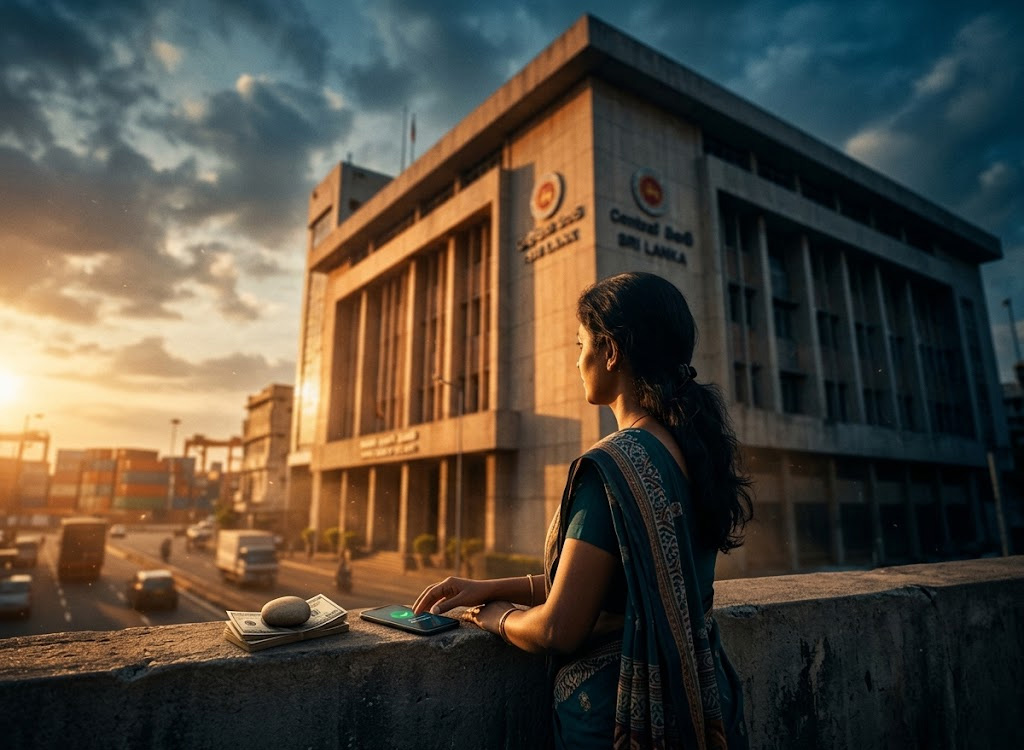
Sri Lanka’s gross official reserves climbed to a provisional US$ 6.905 billion by the end of August 2026, providing a further buffer for the country’s external sector as the Government continues efforts to strengthen its foreign currency position.
According to the Central Bank, the latest reserve figure includes proceeds from the People’s Bank of China swap arrangement, which forms part of Sri Lanka’s official reserve position.
The increase in reserves comes as workers’ remittances continue to provide a critical source of foreign exchange, although inflows recorded in August were slightly lower than the previous month.
Remittances remain a key foreign exchange source
Workers’ remittances amounted to US$ 748.6 million in August, compared with US$ 777.6 million in July.
Despite the month-on-month decline, August inflows were significantly higher than the US$ 680.8 million recorded during August 2025, indicating that remittances continue to perform strongly compared with the previous year.
The sustained inflow of foreign currency from Sri Lankan workers overseas remains an important support for the country’s balance of payments and reserve accumulation.
For an economy that continues to manage substantial external financing requirements, the strength of remittances is particularly important as Sri Lanka seeks to rebuild the foreign exchange buffers depleted during the economic crisis.
Rupee remains under pressure
The stronger reserve position has, however, come alongside continued pressure on the Sri Lankan rupee.
The Central Bank has said the rupee had depreciated by 5.7% against the US dollar on a year-to-date basis as of 11 September 2026.
The depreciation highlights the continuing challenges facing the foreign exchange market despite the improvement in official reserves.
A weaker rupee can increase the domestic cost of imported fuel, food, machinery and other goods, while also affecting businesses that rely heavily on imported inputs.
At the same time, a weaker currency can improve the rupee value of foreign earnings received through exports and remittances, potentially supporting foreign exchange inflows.
Building a stronger external buffer
The latest reserve figure represents another step in Sri Lanka’s efforts to rebuild its external buffers following the severe foreign exchange crisis that culminated in the country’s debt default.
Higher reserves provide the Central Bank with greater capacity to manage external shocks and maintain stability in the foreign exchange market.
However, the headline reserve figure also needs to be viewed in context, particularly because it includes the proceeds from the Chinese swap arrangement.
The sustainability of reserve accumulation will ultimately depend on Sri Lanka’s ability to generate foreign currency through exports, tourism, remittances and foreign investment, while keeping external financing requirements under control.
The latest figures therefore present a mixed but broadly encouraging picture: reserves are approaching the US$ 7 billion mark and remittances remain considerably stronger than a year earlier, but the rupee continues to face depreciation pressure.
With external debt repayments and other foreign currency obligations ahead, maintaining the momentum in reserve accumulation will remain one of the Government’s key economic priorities.












Leave a comment