
Expert committee identifies losses linked to reduced power generation, emergency electricity purchases and costly coal shipments; SJB demands action against former minister Kumara Jayakody
By The Pulseline News Desk
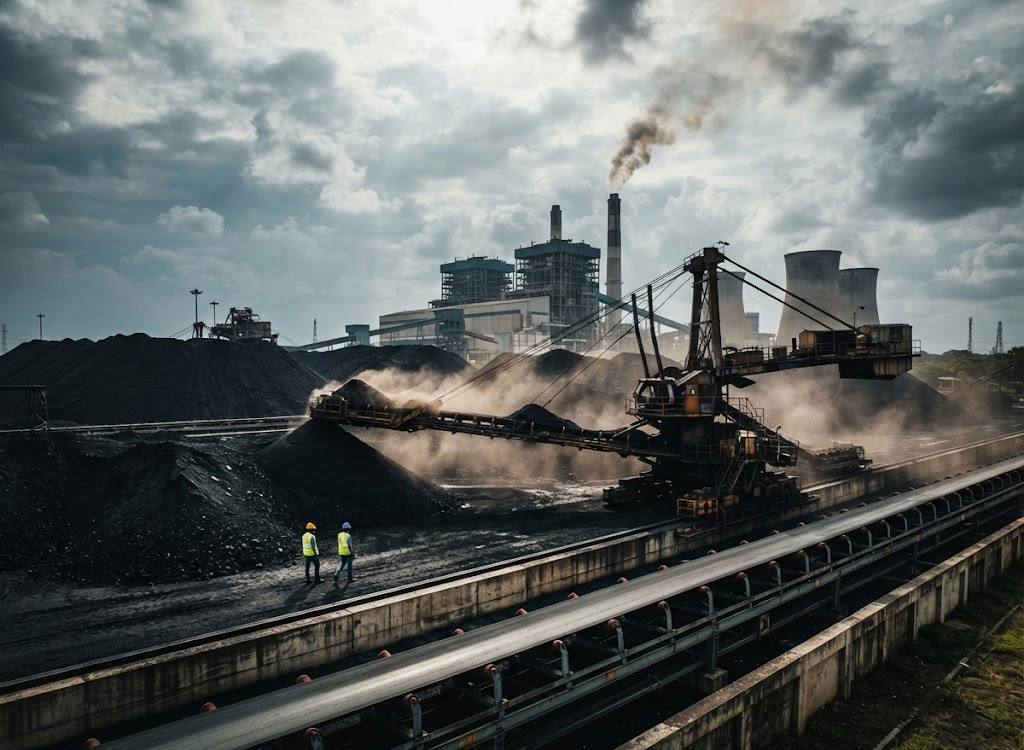
The importation of substandard coal for the Norochcholai Lakvijaya Power Plant has allegedly caused the Government losses exceeding Rs. 17.9 billion, according to an expert committee report cited by Samagi Jana Balawegaya (SJB) Parliamentarian S. M. Marikkar.
Marikkar has called on the Government to clarify what action it intends to take against former Energy Minister Kumara Jayakody, who was in charge of the subject during the period in which the transactions took place.
He has said the findings were contained in a report prepared by an expert committee appointed by Parliament’s Sectoral Oversight Committee on Infrastructure, which assessed the financial impact of importing coal that failed to meet the required standards.
The alleged losses stem from four main areas: reduced thermal efficiency, additional maintenance and ash disposal costs, emergency electricity purchases from private suppliers, and the procurement of five coal shipments at higher market prices.
Four sources of financial loss
According to the figures presented by Marikkar, the largest component of the loss was the additional cost of purchasing electricity from private suppliers to compensate for reduced generation capacity. The committee has reportedly estimated this expenditure at Rs. 8.573 billion.
A further Rs. 2.284 billion was attributed to the additional cost of purchasing five coal shipments at higher market prices after the required number of shipments had not been received.
The report has also identified Rs. 709 million in losses associated with the lower calorific value of the imported coal, which required additional quantities of coal to generate the required 300 megawatts of electricity.
Nearly Rs. 93 million was attributed to additional machinery maintenance and ash management costs arising from the coal’s higher ash content.
The figures cited by Marikkar identify the main cost categories associated with the alleged procurement failures. However, the individual amounts listed in the statement total approximately Rs. 11.66 billion, below the overall loss of Rs. 17.9 billion claimed by the MP. The full report would need to be examined to establish whether additional losses account for the difference.
Public finances under scrutiny
Marikkar has argued that the financial impact ultimately affected the public through higher taxes and electricity bills, calling for accountability over the procurement process.
The Norochcholai plant is a major component of Sri Lanka’s electricity generation system, making the quality and reliability of its coal supplies important to the country’s power supply and generation costs.
Substandard fuel can increase the quantity required to generate electricity, while higher ash content can add to maintenance and waste management costs. If generation falls short, there may also be a need to obtain electricity from alternative sources, potentially increasing overall system costs.
Marikkar has said the complete expert committee report would be presented to Parliament, providing an opportunity for lawmakers to examine the findings and the calculations underlying the alleged losses.
Inquiry into procurement process
Meanwhile, a Presidential Special Commission of Inquiry investigating the relevant procurement process has reportedly issued notices requiring former Minister Kumara Jayakody and several other parties to provide explanations.
The commission’s final report is expected to be submitted soon, according to Marikkar.
The outcome of the inquiry could provide further details on the procurement decisions, the quality of the coal supplied, and the responsibility of the parties involved.
The allegations have yet to be treated as established findings of wrongdoing by any individual.







Leave a comment