
By The Pulseline News Desk
The world’s oceans recorded their hottest July ever measured, with developing El Niño conditions in the Pacific adding further heat to an already warming climate, according to the EU’s Copernicus Climate Change Service.
Average sea surface temperatures outside the polar regions reached 20.96°C in July, surpassing the previous July record of 20.89°C set in 2023.
July was also the joint second-warmest July globally on record, with global temperatures averaging 1.47°C above the estimated pre-industrial level.
The record comes as sea temperatures remain exceptionally high across much of the tropical Pacific, where El Niño conditions are developing and are expected to strengthen in the coming months.
El Niño is a natural climate pattern that periodically warms the tropical Pacific. However, its effects are now occurring against a backdrop of human-driven global warming, increasing the potential for extreme temperature and weather events.
What it means for Sri Lanka
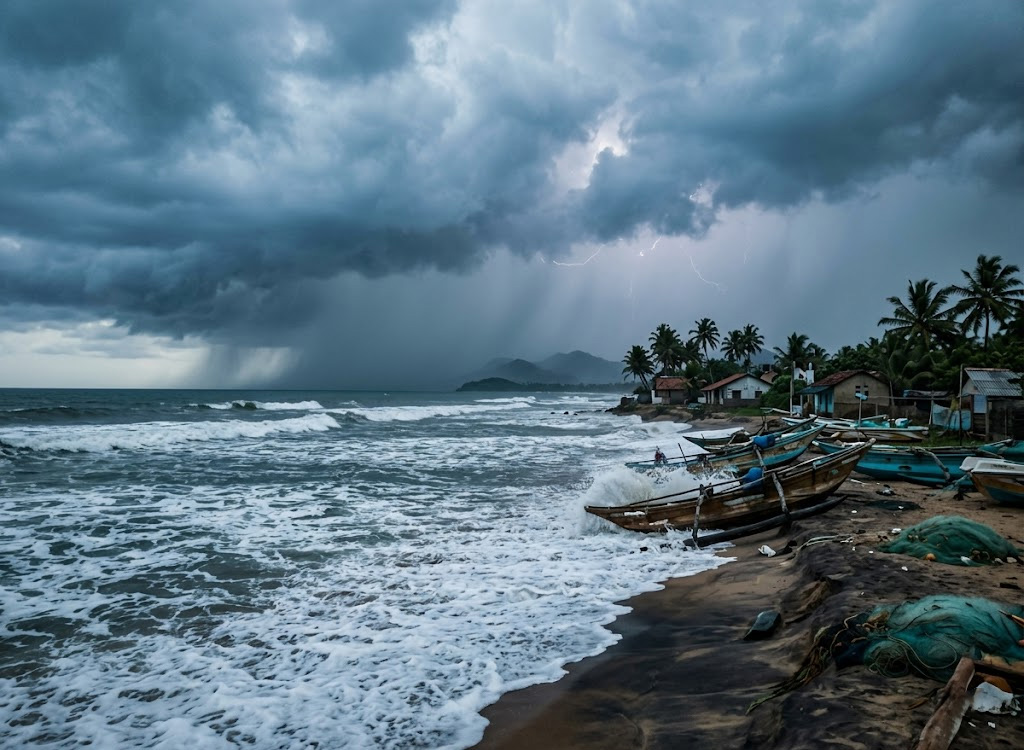
For Sri Lanka, surrounded by the Indian Ocean, continued ocean warming could have significant implications for coastal communities, fisheries, tourism and weather patterns.
Warmer seas can contribute to more intense rainfall events and tropical weather systems by increasing the amount of heat and moisture available to the atmosphere. At the same time, prolonged marine heat can disrupt fisheries and damage sensitive marine ecosystems, including coral reefs.
Sri Lanka’s low-lying coastal areas are also vulnerable to sea-level rise. As seawater warms, it expands, while melting land-based ice adds further water to the oceans. Together, these processes increase long-term risks to coastal settlements, infrastructure and ecosystems.
The country’s fisheries sector could face additional pressure as changing ocean temperatures alter the distribution and abundance of marine species. Coral reefs and other coastal ecosystems that support fisheries and tourism are also particularly vulnerable to prolonged marine heat.
Sri Lanka has already experienced increasingly erratic weather patterns, including intense rainfall, flooding, prolonged dry spells and heat. A warmer ocean can influence these patterns by changing the amount of moisture and energy available to weather systems around the island.
El Niño adds uncertainty
The developing El Niño could temporarily push global temperatures higher and influence rainfall patterns across the wider South Asian region.
However, scientists stress that El Niño alone does not explain the long-term rise in global temperatures. The underlying trend is driven primarily by human-induced greenhouse gas emissions.
The world is now around 1.4°C warmer than it was in the late 19th Century, highlighting the growing climate risks facing island nations such as Sri Lanka.
For Sri Lanka, the latest ocean temperature record is therefore more than a global climate statistic. It is a warning that warmer seas could increasingly shape the country’s weather, coastlines, marine ecosystems and economy.













Leave a comment