
By The Pulseline News Desk
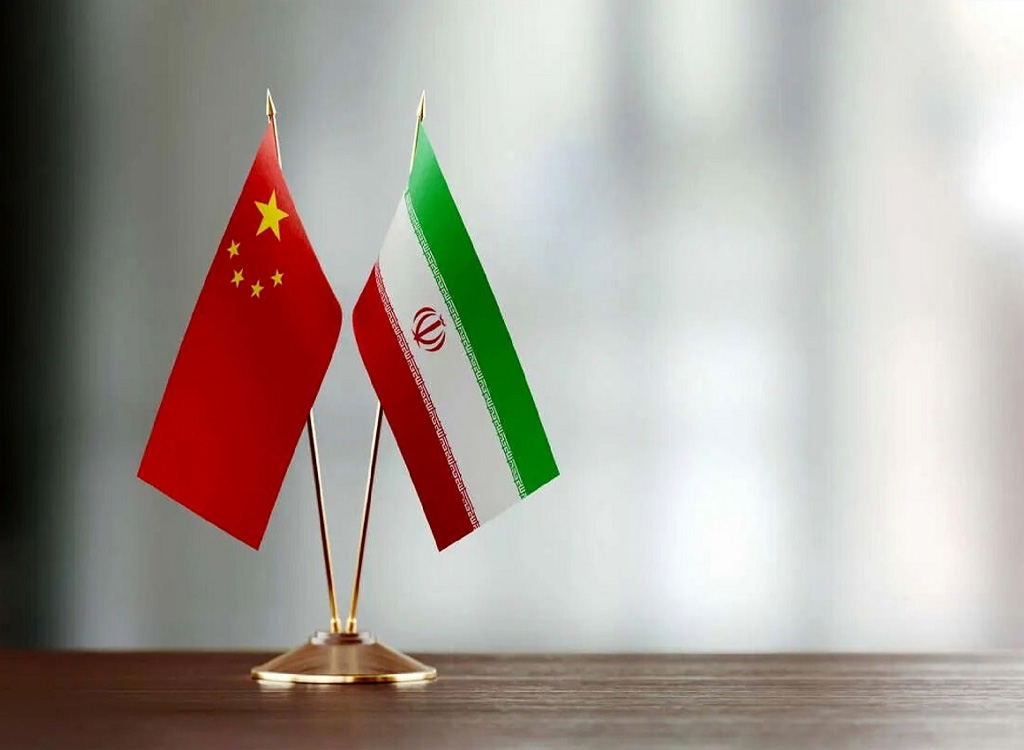
A high-level diplomatic visit by Abbas Araghchi to China is drawing renewed attention to the evolving strategic partnership between the two countries, as both navigate shifting geopolitical and economic pressures.
The visit comes at a time when Iran is seeking to deepen ties with non-Western powers amid ongoing tensions with the United States (US) and its allies. Beijing, for its part, continues to expand its influence in the Middle East, positioning itself as both an economic partner and a diplomatic broker.
Talks are expected to focus on a range of issues, including energy cooperation, trade expansion, and regional security. China remains one of Iran’s most important economic partners, particularly in the energy sector, where Iranian oil exports, often constrained by sanctions, find a crucial market.
At the center of bilateral relations is the long-term cooperation agreement signed in 2021, which outlines Chinese investments in Iranian infrastructure, energy, and technology in exchange for a steady supply of oil. While implementation has been gradual, the framework continues to serve as a cornerstone of the relationship.
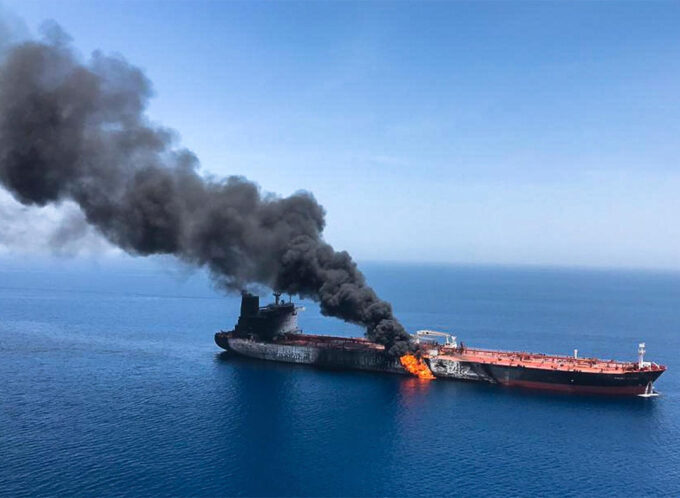
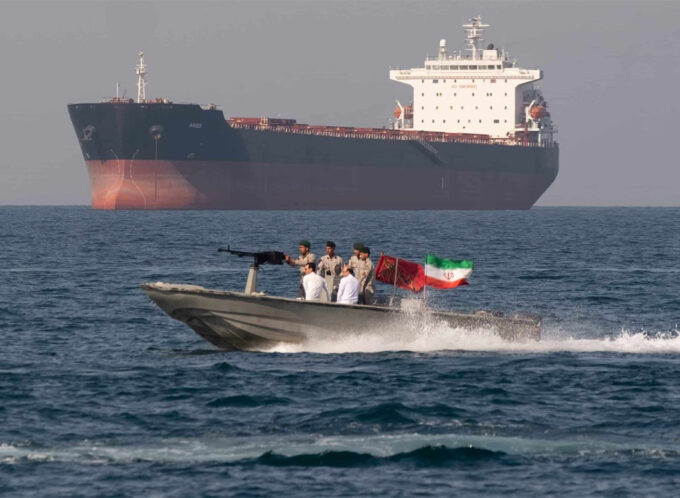
Araghchi’s meetings with senior Chinese officials are also likely to touch on broader regional dynamics, including tensions in the Persian Gulf and ongoing conflicts across the Middle East. China has increasingly sought to present itself as a stabilising force in the region, a role highlighted by its mediation efforts in restoring diplomatic ties between Iran and Saudi Arabia in 2023.
For Tehran, closer alignment with Beijing offers both economic relief and diplomatic leverage. With Western sanctions still weighing heavily on its economy, Iran has leaned into partnerships with countries willing to operate outside US-led financial systems.
However, the relationship is not without its complexities. China has historically balanced its ties across the Middle East, maintaining strong economic and political relations with Iran’s regional rivals, including Saudi Arabia and the United Arab Emirates (UAE). This balancing act means that while Beijing is a valuable partner for Tehran, it is unlikely to fully align with Iranian strategic priorities.
The visit also reflects a broader shift in global diplomacy, where emerging alliances and multipolar engagement are reshaping traditional power structures. For China, deepening ties with Iran fits into its Belt and Road Initiative (BRI) and its broader ambition to secure energy routes and expand geopolitical influence.
As discussions unfold, the outcome of the visit will be closely watched not only for concrete agreements but also for signals about the direction of Iran-China relations in an increasingly fragmented global order.
In a world where alliances are becoming more fluid, this diplomatic engagement underscores a simple reality: both Tehran and Beijing see strategic value in each other, though the limits of that partnership remain as important as its potential.
(With input from news agencies)








Leave a comment