
By The Pulseline News Desk
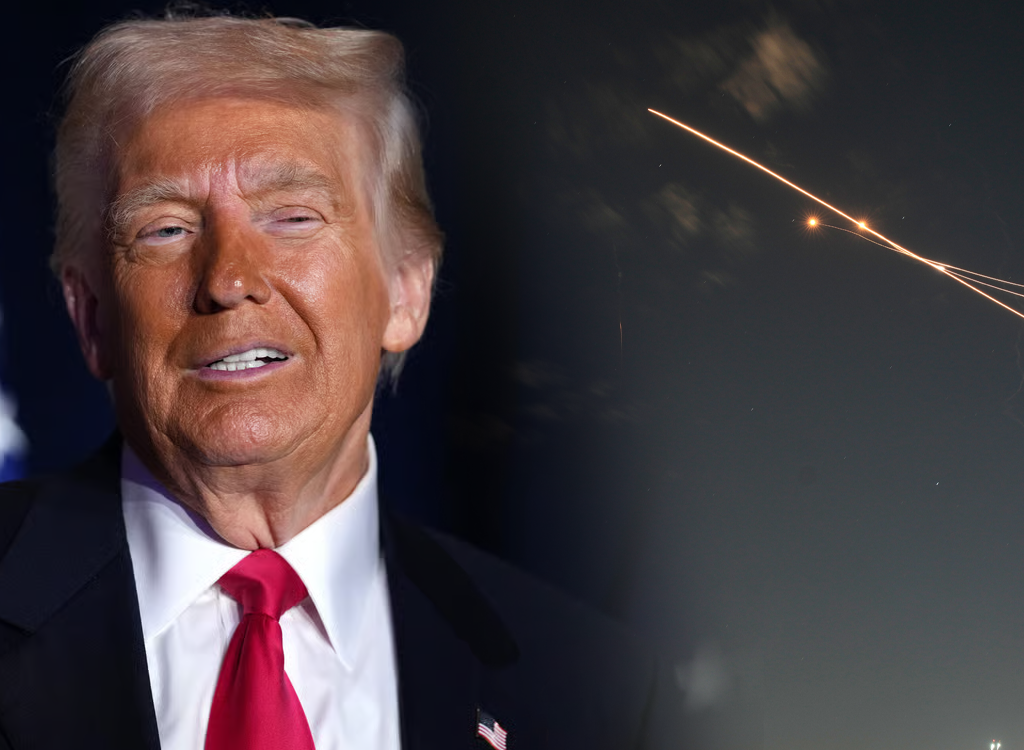
A sharp rise in regional tensions has put the Gulf on edge after the United Arab Emirates (UAE) announced that its air defence systems intercepted 19 missiles and drones allegedly launched from Iran on Monday. The incident marks one of the most significant direct threats to the UAE in recent years and underscores the fragile security environment in the region.
Officials in the UAE said the projectiles were neutralised before reaching critical infrastructure, with no immediate reports of casualties or damage. While authorities did not disclose specific targets, analysts suggest the attack may have been aimed at testing the country’s defensive capabilities or signaling broader geopolitical intent amid intensifying rivalries.
Washington responds
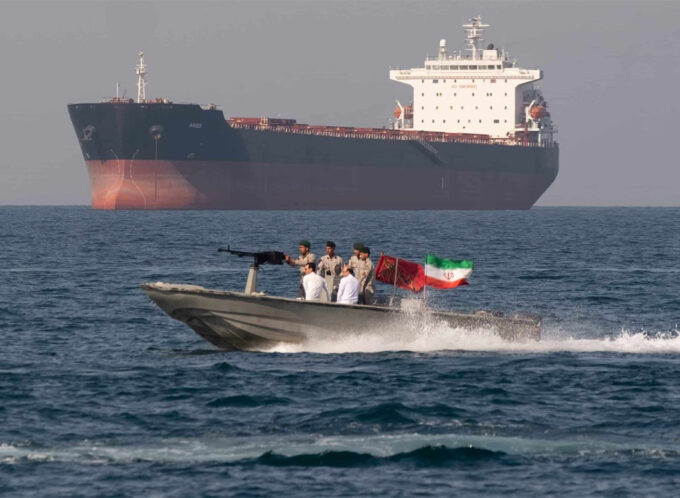
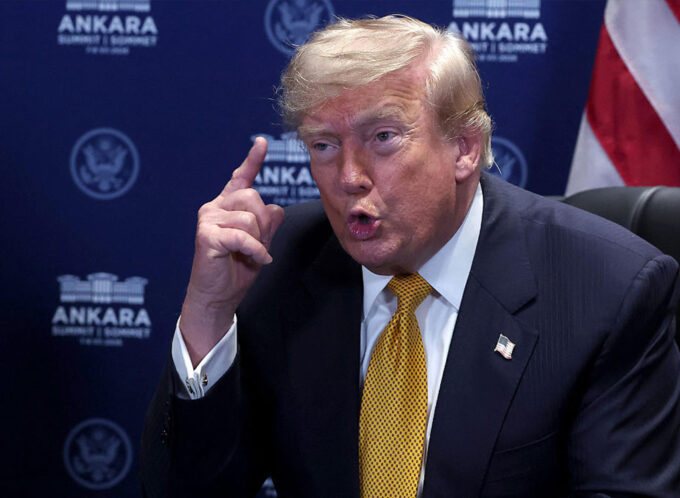
Adding to the volatility, former U.S. President Donald Trump claimed that American forces had destroyed seven Iranian boats in related developments, framing the action as a defensive response to perceived threats against U.S. naval assets.
Trump also issued a pointed warning: any further targeting of American ships would trigger swift retaliation. Though details surrounding the reported maritime confrontation remain unclear, the remarks signal a hardening stance from Washington at a time when military activity in the Gulf appears to be increasing.
A region on edge
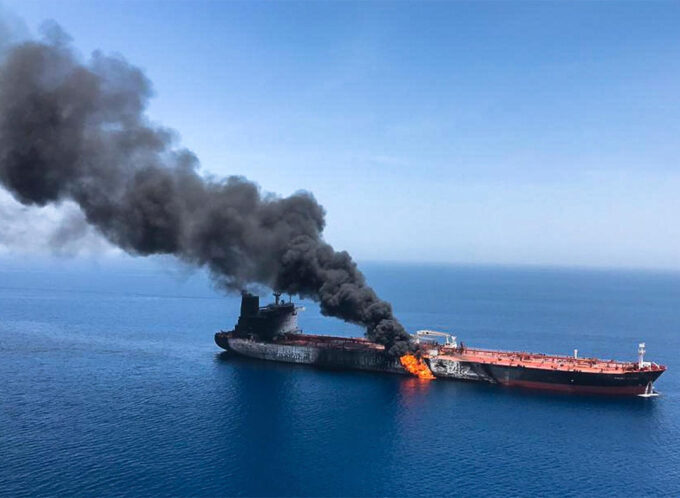
The Gulf has long been a flashpoint for tensions between Iran, its regional rivals, and the U.S. Strategic waterways, including the Strait of Hormuz, are vital for global oil shipments, making any escalation a matter of international concern.
Security experts warn that incidents involving drones and missile interceptions are becoming more frequent, reflecting a shift toward asymmetric warfare. Such tactics allow for plausible deniability while still exerting pressure on adversaries.
International concerns mount
Global powers are likely to watch developments closely, as even limited confrontations in the Gulf can have far-reaching consequences for energy markets and regional stability. Diplomatic channels may come under renewed strain as governments weigh responses and attempt to prevent further escalation.
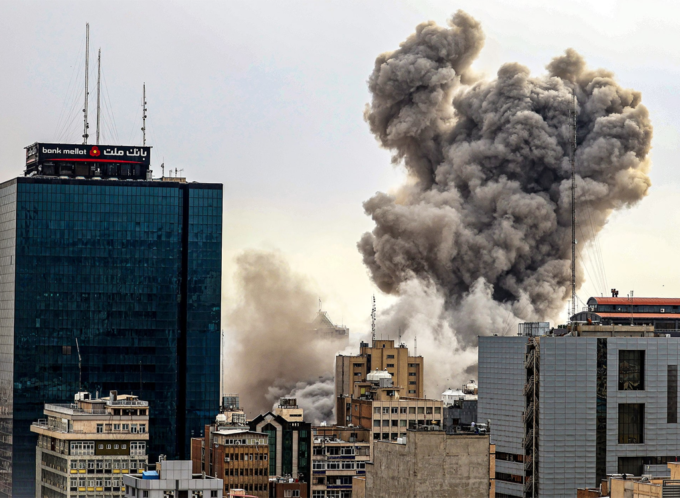
For now, the situation remains fluid. With both defensive actions and strong rhetoric shaping the narrative, the risk of miscalculation looms large, raising fears that a localized incident could spiral into a broader conflict.
(With inputs from news agencies)









Leave a comment