
By The Pulseline News Desk
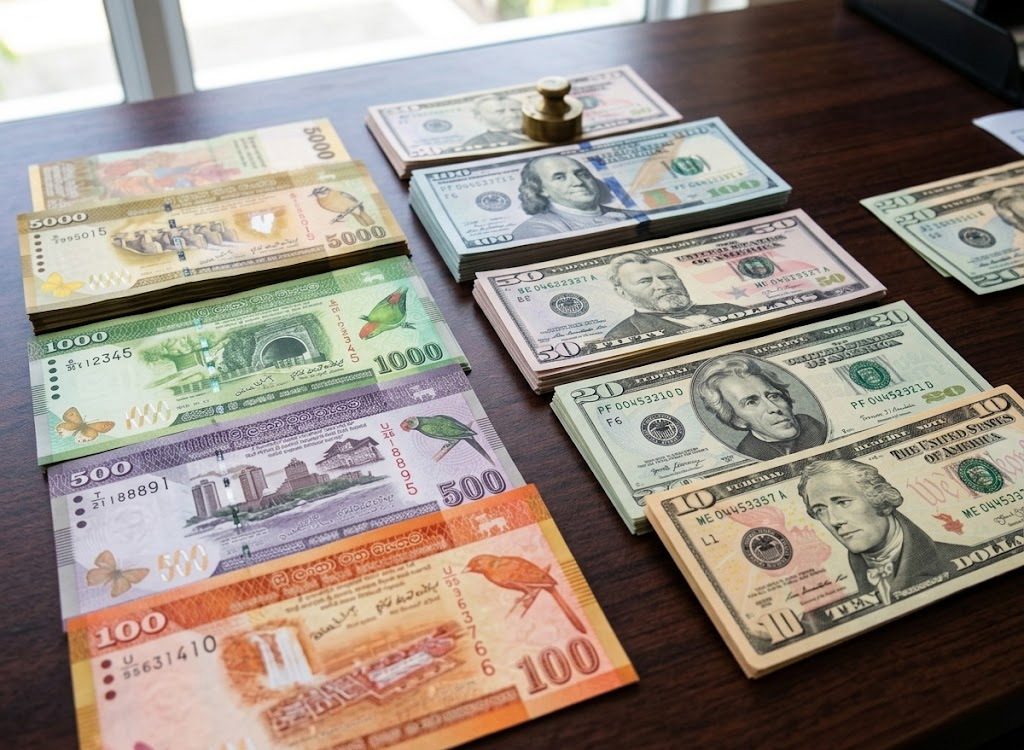
The steady weakening of the Sri Lankan Rupee against the US Dollar is once again raising concerns across the country, as businesses, policymakers, and households grapple with the economic consequences of a softer currency.
In recent months, the rupee has shown a gradual but persistent decline, reversing some of the relative stability seen after the country’s financial crisis peaked in 2022. Market analysts point to a combination of external and domestic pressures driving the trend, including higher global interest rates, increased demand for dollars for imports, and lingering structural weaknesses in the local economy.
Sri Lanka’s heavy reliance on imports ranging from fuel and pharmaceuticals to food items means that any depreciation of the rupee quickly translates into higher costs of living. Traders report that even modest currency fluctuations are impacting retail prices, squeezing consumers already burdened by inflation and stagnant incomes.
Economists note that global conditions are playing a significant role. The strength of the US dollar, supported by monetary tightening in advanced economies, has placed emerging market currencies like the rupee under strain. At the same time, Sri Lanka’s foreign exchange inflows, primarily from tourism, worker remittances, and exports, have not grown at a pace sufficient to fully offset demand for foreign currency.
Officials at the Central Bank of Sri Lanka (CBSL) have maintained that the exchange rate will be allowed to move in line with market fundamentals, while intervening selectively to prevent excessive volatility. The bank has also emphasized the importance of rebuilding foreign reserves and sustaining reforms tied to the country’s recovery programme.
However, business leaders warn that continued depreciation could dampen investor confidence and complicated planning. Importers face higher costs, while exporters, though benefiting from a weaker rupee in theory, are also dealing with rising input prices and uncertain global demand.
Financial experts argue that stabilising the currency will require more than short-term interventions. Strengthening export competitiveness, boosting foreign direct investment, and maintaining fiscal discipline are seen as essential steps toward easing pressure on the rupee.
For ordinary Sri Lankans, the currency’s slide is felt most acutely in daily expenses. From grocery bills to utility costs, the ripple effects of exchange rate movements continue to shape economic realities on the ground.
As Sri Lanka navigates its fragile recovery, the trajectory of the rupee remains a key barometer of economic health – one that policymakers and citizens alike will be watching closely in the months ahead.













Leave a comment