
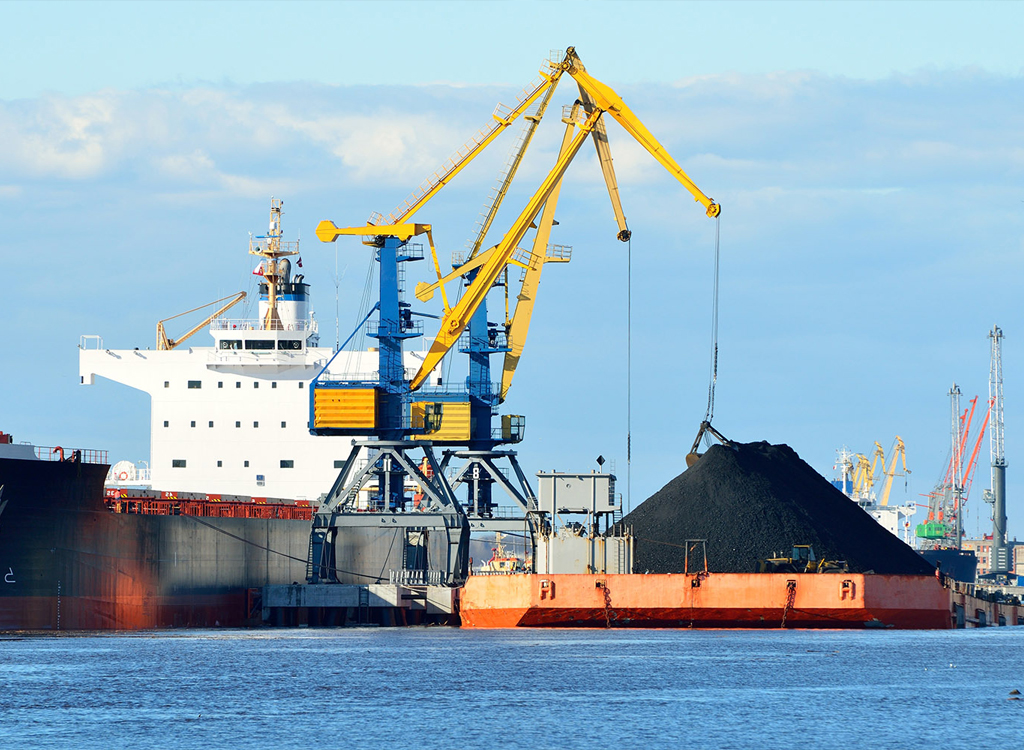
Ana Ocean coal shipment departs without unloading, says Free Lawyers
By The Pulseline News Desk
Sri Lanka could be heading toward another energy security challenge, with questions emerging over rejected coal shipments, delayed payments to suppliers, and allegations of corruption surrounding emergency procurement for the Lakvijaya Norochcholai Coal Power Plant.
The warning comes from the Free Lawyers Organisation, which claims that a series of controversial decisions involving imported coal consignments could leave the country vulnerable to power shortages in the coming months while imposing additional costs on an already strained economy.
At the centre of the controversy is the vessel Ana Ocean, which had departed Sri Lankan waters this week without unloading its cargo after concerns were raised about the quality of the coal it had carried. The shipment had reportedly been procured under an emergency purchasing arrangement at a price of US$ 142 per metric ton.
The vessel’s departure marks the second such case in recent weeks. Another coal carrier, YASA SUN, which had arrived in May, remains anchored off the coast without unloading its cargo. According to the Free Lawyers Organisation, both shipments have failed to meet required quality standards.
The organisation has also questioned the decision to unload coal from the vessel MV JOSCO YONGZHOU, alleging that laboratory findings had indicated excessive ash content and that the cargo should have been rejected. It has claimed the unloading proceeded despite these concerns, raising questions about whether political influence played a role in the decision-making process.
Critical time
The dispute arrives at a critical time for Sri Lanka’s power sector. Coal remains the primary fuel source for the Lakvijaya Norochcholai Power Plant, which generates a substantial share of the country’s electricity. Any disruption to coal supplies can have significant implications for electricity generation costs and energy security.
According to the organisation, authorities had previously indicated that coal stocks would be sufficient until early September if scheduled deliveries arrived on time. However, with several shipments delayed or rejected, concerns are growing that reserves could be depleted much earlier than anticipated.
The Free Lawyers Organisation warns that the country may face a gap in coal supplies equivalent to more than two weeks of generation requirements and if that occurs, power producers may be forced to rely more heavily on diesel-powered generation.
Such a shift would have significant financial consequences. Electricity generated from diesel is considerably more expensive than coal-based generation, increasing costs for the state and potentially placing further pressure on public finances. Energy analysts have long warned that reliance on emergency fuel purchases can rapidly increase expenditure during periods of supply disruption.
Payment delays
Adding to the uncertainty are allegations that payments to coal suppliers have been delayed. Free Lawyers has questioned whether foreign exchange constraints or Treasury funding difficulties are preventing authorities from settling outstanding dues, though no official explanation has been provided.
The controversy has also renewed debate over transparency in public procurement, particularly in the energy sector where emergency purchases often involve substantial sums of public money. Critics argue that procurement decisions affecting strategic national assets must be subject to rigorous technical scrutiny and public accountability.
Government authorities have yet to publicly respond in detail to the allegations. However, the unfolding dispute is likely to attract increased attention as policymakers seek to avoid a repeat of the fuel and electricity shortages that contributed to Sri Lanka’s economic turmoil in recent years.
With coal inventories under pressure and key decisions regarding pending shipments still unresolved, the coming weeks may prove crucial in determining whether the country can maintain a stable electricity supply through the latter part of the year, or whether another energy crisis is beginning to emerge.











Leave a comment