
By The Pulseline News Desk
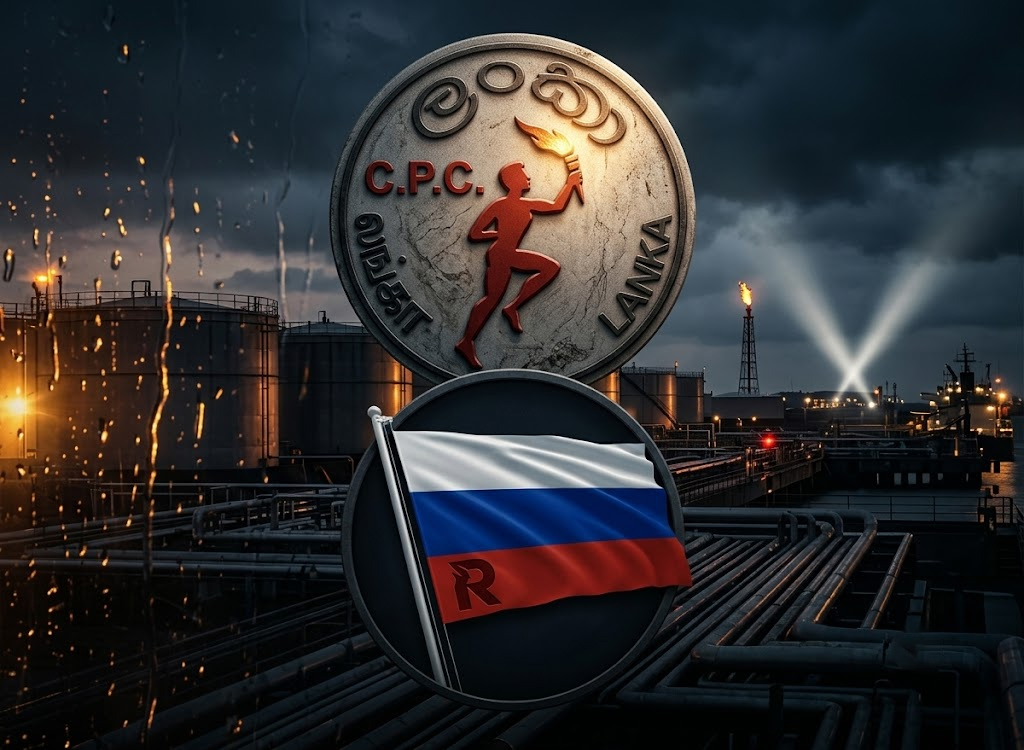
Sri Lanka’s state-owned Ceylon Petroleum Corporation (CPC) has taken another step toward diversifying its fuel procurement strategy by registering two Russian state-owned energy companies to participate in future fuel supply tenders, as the country seeks more competitive options in the global oil market.
Among the newly registered firms is Rosneft, one of Russia’s largest oil producers. The registration enables the company to compete for fuel supply contracts to Sri Lanka, provided international sanctions conditions allow such transactions.
CPC Managing Director Mayura Nettikumara has said the registration process was completed last week as part of efforts to expand the pool of suppliers and strengthen competition in fuel purchasing.
The move comes as Sri Lanka explores multiple sourcing options to secure stable and cost-effective fuel supplies. Earlier this year, the country approved the import of West Texas Intermediate (WTI) crude oil from the United States (US), with a shipment arriving recently.
However, CPC Chairman Rajakaruna has noted that American crude may not always be the most economical option. While US oil offers an additional source of supply, transportation costs and longer delivery times can reduce its competitiveness compared to supplies from closer markets.
“It takes at least one month for a shipment,” Rajakaruna said, highlighting the logistical challenges associated with importing crude from North America.
The CPC’s latest move reflects a broader strategy aimed at balancing price, supply security and logistical efficiency as Sri Lanka continues to recover from the economic crisis that exposed vulnerabilities in the country’s energy sector.
Meanwhile, questions remain over the future of the government’s fuel subsidy programme. Rajakaruna has said Rs.57 billion had been allocated for the subsidy, but no decision has yet been made on additional funding once the current allocation is exhausted.
As global energy markets remain volatile, Sri Lanka’s efforts to diversify suppliers and improve procurement flexibility are expected to play a key role in ensuring uninterrupted fuel supplies while managing costs for both consumers and the state.













Leave a comment