
By The Pulseline News Desk
Sri Lanka is once again approaching a crucial policy decision on fuel pricing, as global oil market volatility linked to tensions in the Middle East continues to influence domestic costs and public finances. Government sources indicate that a final decision on whether to revise petrol and diesel prices will be taken at the end of this month, as the current temporary relief measures are set to expire.
Over the past several months, Sri Lanka has been navigating the delicate balance between global fuel price fluctuations and local affordability. International crude oil prices have remained sensitive to geopolitical developments, particularly the ongoing conflict dynamics in the Middle East, a region that plays a central role in global energy supply chains. Any escalation or disruption in that region tends to quickly reflect in international fuel benchmarks, placing additional pressure on import-dependent economies like Sri Lanka.
In response to earlier increases, the government introduced a three-month relief package on diesel and petrol, aiming to cushion consumers and stabilise transport and production costs. While the measure provided temporary relief to households and businesses, it also added fiscal pressure, as state-linked fuel pricing mechanisms absorbed part of the global price burden.
A government spokesperson has noted that although global price increases were eventually passed through to the domestic market, the relief period was intended to ease the immediate impact on the public. With that relief now nearing its end, policymakers are expected to reassess pricing structures, weighing both international market trends and domestic economic conditions before announcing the next adjustment.
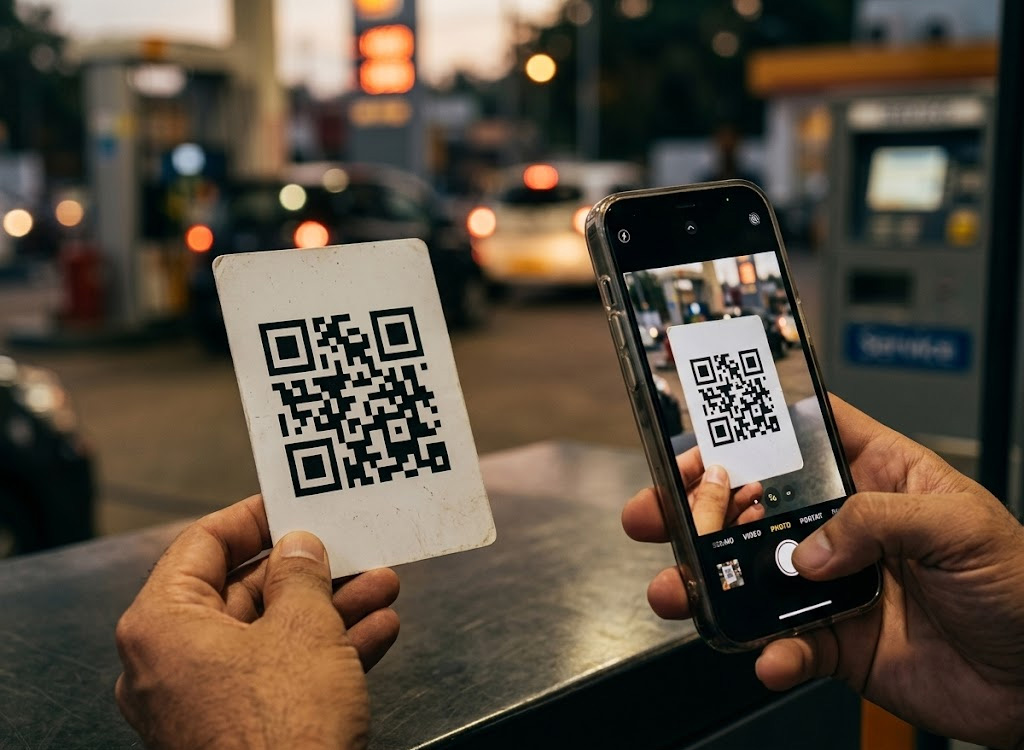
QR code system
At the same time, attention is also turning to fuel distribution reforms. The Ceylon Petroleum Corporation (CPC) is reportedly considering the removal of the current fuel QR code system, which was introduced as part of efforts to manage fuel distribution more efficiently during periods of shortage and controlled supply. The system helped regulate access and monitor consumption, particularly during times when fuel imports were constrained and demand exceeded supply.
However, as supply conditions have gradually stabilised compared to crisis levels, questions have emerged over whether such digital rationing mechanisms are still necessary. Any decision to phase out the QR-based system would likely reflect improved availability, but it could also raise concerns about monitoring efficiency and equitable distribution if market conditions tighten again.
Taken together, the upcoming fuel pricing review and potential changes to distribution controls signal a broader transition phase in Sri Lanka’s energy management strategy. Policymakers are now faced with the challenge of balancing market responsiveness, fiscal sustainability, and public affordability, while remaining exposed to external shocks beyond their control.












Leave a comment