
By The Pulseline News Desk
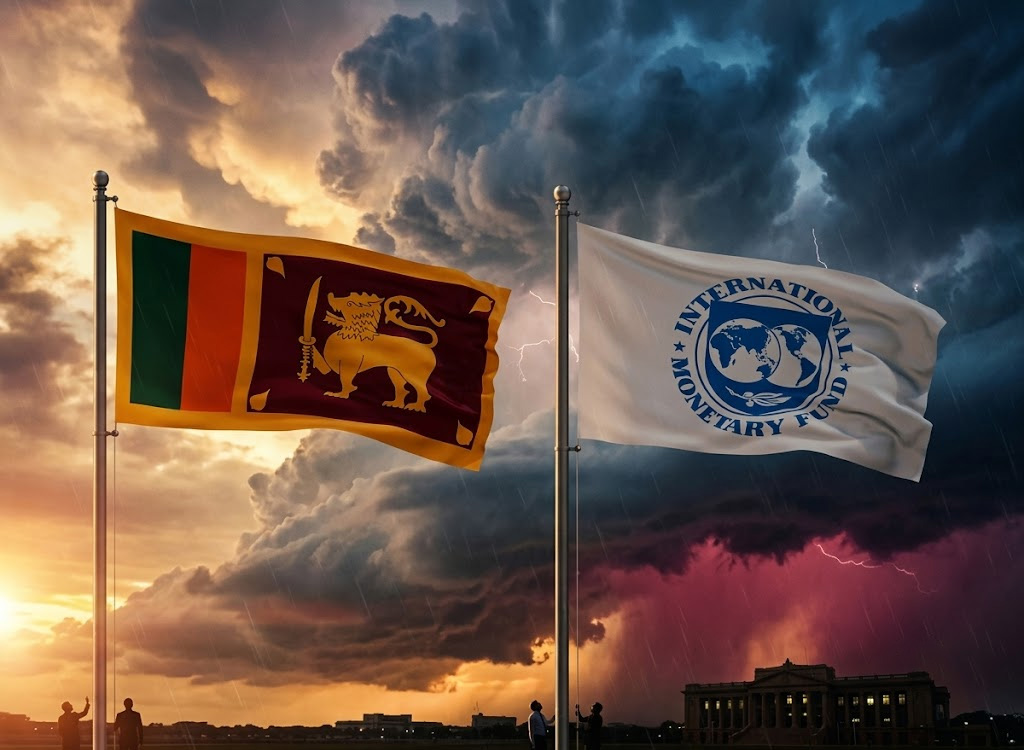
A staff mission from the International Monetary Fund (IMF) is scheduled to visit Sri Lanka from Wednesday (24) to June 30, marking another important step in the country’s ongoing engagement with the global lender as it seeks to consolidate economic recovery following its worst financial crisis in decades.
The visiting delegation is expected to review recent economic developments and hold discussions with government officials regarding the progress of Sri Lanka’s economic reform programme. The mission comes at a time when the country is attempting to sustain macroeconomic stability while balancing public expectations for growth, employment, and relief from the cost-of-living pressures that accompanied recent reforms.
Sri Lanka entered into an IMF-supported programme in 2023 after a severe economic crisis triggered shortages of essential goods, soaring inflation, and a sovereign debt default. Since then, authorities have implemented a series of fiscal and monetary reforms aimed at restoring confidence, improving public finances, and rebuilding foreign exchange reserves.
The upcoming review is expected to focus on key economic indicators, including government revenue performance, inflation trends, debt restructuring progress, and broader structural reforms designed to strengthen long-term economic resilience. IMF officials are also likely to assess whether reform targets agreed upon under the programme continue to be met.
Economists note that the IMF’s assessments carry significant weight, not only for Sri Lanka’s access to international financing but also for investor confidence. Positive evaluations can help reinforce perceptions of stability, while concerns raised by the Fund may influence future policy decisions.
Meanwhile, media reports suggest that the government may not seek a successor arrangement with the IMF once the current programme concludes in March next year. Although no formal decision has been announced, such reports have sparked debate among policymakers and analysts about the country’s post-programme economic strategy.
Supporters of a continued engagement with the IMF argue that maintaining a framework for fiscal discipline and reform could help safeguard economic gains achieved in recent years. Others contend that Sri Lanka should gradually transition toward a more independent policy path once economic fundamentals have strengthened sufficiently.
The forthcoming mission is therefore expected to attract considerable attention from financial markets, businesses, and the public alike. Its findings could offer important insights into the health of the economy and provide indications about the direction of Sri Lanka’s economic policy beyond the current IMF programme.
As the country approaches a pivotal phase in its recovery journey, the IMF visit will serve as a key barometer of both progress achieved and challenges that remain ahead.










Leave a comment