
By The Pulseline News Desk
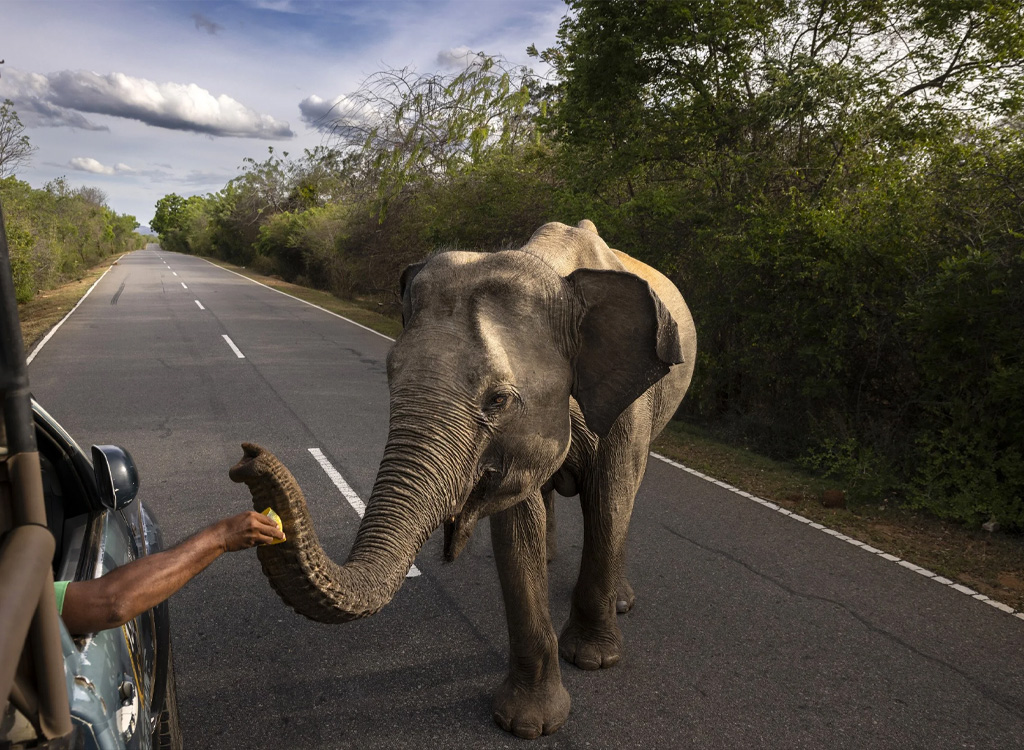
In a significant move aimed at addressing one of the country’s most persistent wildlife conservation challenges, the government has reportedly restored three major elephant corridors that had remained blocked for years, paving the way for freer elephant movement and potentially reducing conflict between humans and wildlife.
The corridors – Wetahirakanda, Hadapanagala and Koholankala – have been cleared under a national programme designed to find practical and sustainable solutions to the long-standing human-elephant conflict, a problem that claims the lives of hundreds of elephants and dozens of people annually.
The announcement was made at a press conference held at the Department of Government Information, attended by Environment Minister Dr. Dammika Patabendi, Deputy Minister Anton Jayakody and senior officials from the Department of Wildlife Conservation.
According to the Ministry of Environment, the traditional migration routes had been obstructed for years due to unplanned development activities and land allocations carried out by previous administrations. As a result, elephants were forced to seek alternative routes through villages, farmlands and settlements, increasing encounters with people and exacerbating conflict in affected areas.
Officials said the government had overcome a range of legal, administrative and social challenges to reclaim and restore the lands for wildlife use.
Wildlife experts have long identified habitat fragmentation and the loss of migration corridors as major contributors to human-elephant conflict. Elephants, which follow traditional routes passed down through generations, often encounter human settlements when these pathways are blocked.
Recognising that restoring corridors alone will not solve the problem, the government has also unveiled plans to establish “Elephant Enrichment Zones” within forest reserves. The initiative seeks to improve habitat quality by creating reliable food and water sources for elephant populations.
Under the programme, grass and vegetation preferred by elephants will be cultivated, while abandoned reservoirs and water holes will be rehabilitated to ensure year-round access to water. Authorities hope these measures will reduce the need for elephants to venture into agricultural lands in search of food and water.
The corridor restoration forms part of a broader three-stage strategy developed to tackle the human-elephant conflict.
In the immediate term, authorities plan to repair damaged electric fences, install new fencing in high-risk areas, introduce early-warning systems for vulnerable communities and strengthen around-the-clock wildlife patrols.
The medium-term strategy focuses on expanding community-managed village electric fencing programmes and improving compensation mechanisms for individuals and families affected by elephant-related incidents.
Looking further ahead, the government intends to undertake more comprehensive reforms, including a review of national land-use policies, the scientific demarcation of wildlife habitats and human settlements, and the legal protection of elephant corridors across the country.
Officials also announced plans to incorporate modern technology into conservation efforts. Drones and satellite-based monitoring systems will be used to track elephant movements and population trends, enabling wildlife managers to make more informed decisions about conservation and conflict mitigation.
Meanwhile, authorities noted that the Joint Forest Protection Center, established in 1995, continues to play a role in preventing wildlife crimes and supporting conservation efforts nationwide.
The government says the ultimate goal is to strike a balance between protecting rural communities and safeguarding Sri Lanka’s iconic wild elephant population. By addressing the underlying causes of conflict rather than relying solely on reactive measures, officials hope the restoration of elephant corridors will mark the beginning of a more sustainable approach to coexistence between people and wildlife.
Whether these measures will significantly reduce conflict remains to be seen, but conservationists have long argued that restoring natural movement pathways is a critical step towards a lasting solution.












Leave a comment