
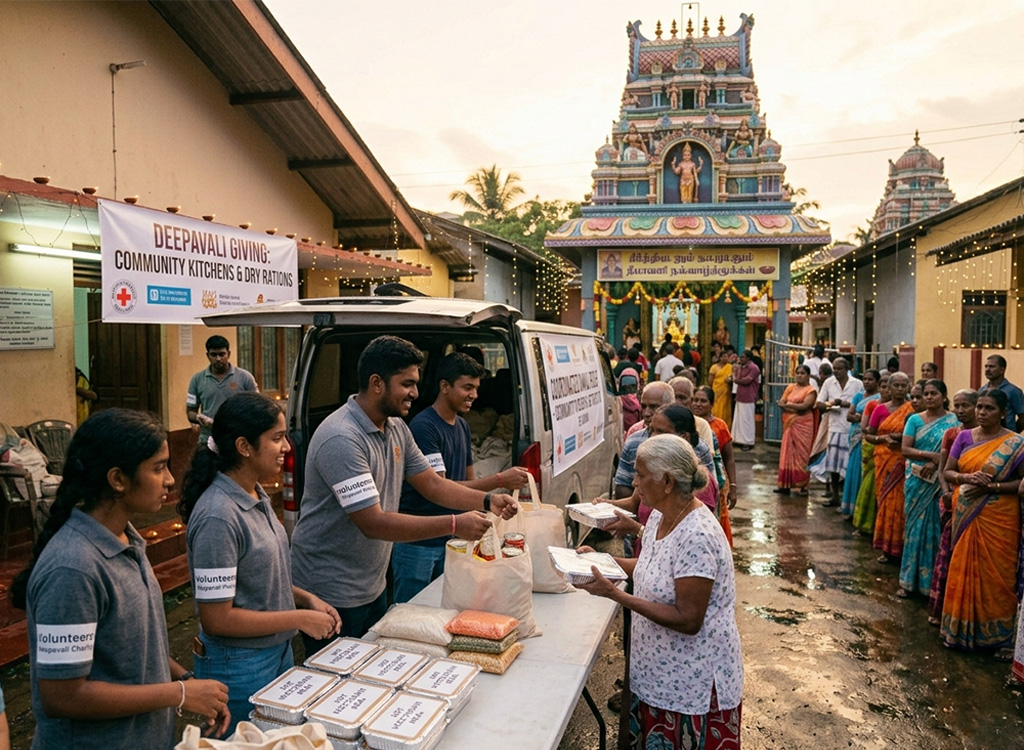
Community participation, volunteer service, and social unity
By Kaushi Jayawardena
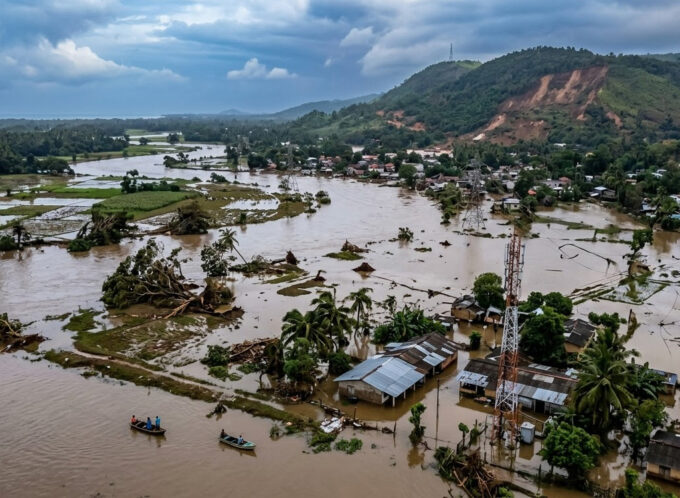
Some lessons are taught to us by nature in the harshest ways and Cyclone Ditwah was one such event. Though it destroyed homes, roads, and daily lives, causing widespread devastation, it simultaneously revealed the light of humanity — people rising for one another. Neighbours extending helping hands, communities coming forward, volunteers stepping up in the face of disaster, and the determination to rebuild together — these are living examples that remind us of the true strength of society.
In such disaster situations, community participation has repeatedly proven to be an immensely valuable strength for society. Alongside government relief efforts, people at the village level came forward to support one another, providing food, clothing, and shelter. Youth, voluntary organisations, and ordinary citizens united to extend compassion and aid to those affected, reinforcing the value of social unity and humanity. This kind of grassroots community involvement not only makes disaster response more effective but also lays down a vital foundation for building a disaster-resilient society.
Volunteer services during disasters are regarded as an important process that expresses society’s humanitarian strength. In the areas affected by Cyclone Ditwah, young people, voluntary organisations, and various social groups came forward to distributing food, medicine, and essential items, as well as to carry out cleanup efforts. Such dedication provided rapid relief to the affected people while further strengthening the sense of social unity and responsibility. Therefore, it is essential to further promote community participation and volunteer service in a more organized manner within future disaster management processes.
Organic responses
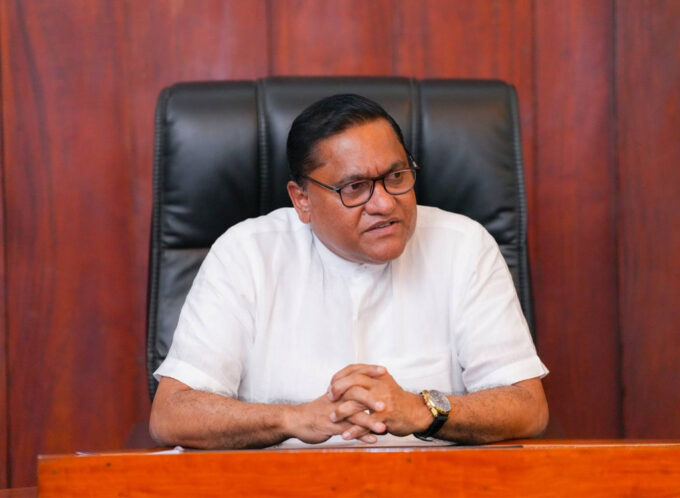
In this post-disaster period, a formal series of discussions was initiated by the Rights Now organisation to examine whether civil society is properly fulfilling its roles and how well-prepared the nation was for such disasters. The theme of the latest dialogue of the Samabima Dialogue Forum was “Cyclone Ditwah, Community Participation, and Volunteer Service” with Dr. Vinya Ariyaratne, Chairman of the Sarvodaya Shramadana Movement as the key resource person.
The responses during a disaster — from the government, voluntary organisations, and the community — are very organic. When it comes to the government response, government officials are bound by circulars and limitations in their actions. “However, voluntary organisations can provide an immediate response using the resources they can mobilize at that moment. It is necessary to establish a state mechanism that can quickly address community responses and intervene promptly in such situations,” he said.
As for whether past experiences — especially from the tsunami — served as prior lessons, Dr. Ariyaratne noted, “Organisations like Sarvodaya, and even the government, gained immense experience from it. The current Disaster Management Act itself was created in such a context. At that time, internet facilities were extremely limited. Organisations like Sarvodaya were the ones that primarily brought internet facilities to villages. It was during the tsunami that the communication revolution began. People like Professor Rohan Samarajiva and others dedicated themselves to this cause. It created an opportunity to bring scientific foundations — such as early preparedness and early warnings — to the people. Mechanisms for facing severe catastrophic disasters were built through organizations like ours.”
Lessons ‘un’learnt
When asked whether the lessons learned from the tsunami 22 years ago had been effectively utilized by the government in the case of a disaster like Ditwah, Dr. Ariyaratne responded that it was not. “No. Political leadership is crucial here. Ensuring that all systems function properly is part of political leadership. Over the past ten years or so, it has been at a low level. It needs to be updated.
He further noted that when considering the scale of the disaster, one cannot place all the blame solely on the government. However, disaster response is not just about immediate reactions in emergency situations. “One and a half lakhs of people have been displaced. Most of them are staying in the homes of their relatives. A considerable number are in safe centers. The standards there — meaning the facilities — are still not sufficient at this moment. Looking at it that way, the state mechanism has failed. On the other hand, the basic mechanisms have not been able to properly manage this disaster. Community-based preparedness is at a minimal level. Resources and technology exist. I believe we must think anew and take this forward.”
While voluntary organisations could handle relief distribution and similar tasks, government intervention is essential for reconstruction. “Several aspects regarding Cyclone Ditwah need to be analyzed. Often, there was no proper understanding of the nature of the rain or the state of the cyclone. We cannot put the lives of voluntary officials at risk. Therefore, we were cautious and avoided taking life risks in our response. The information technology projects were not open. Data was not provided most of the time,” Dr. Ariyaratne explained.
“The government has not yet conducted an assessment for reconstruction. However, we have many philanthropists. There are people willing to donate land. If the state mechanism cannot do this alone, it can collaborate with voluntary organizations. Today, there are even professional volunteers. I do not see a limitation in resources. I personally know that within the United Nations system, there are things they cannot spend on because the mechanism is not right. For example: We need this many houses, the displaced are staying in these places… If the government identifies these by district and divisional secretariat levels, there are organizations ready to intervene and take responsibility. They will find the necessary resources. Also, we must not forget that there is a fund. We need to present the amount of donations received. That is basic accountability,” he added.
A society becomes strong in the face of disaster not through the efforts of a single institution or group, but when it acts in unity. When planned government institutional actions, resources, and coordination are combined with the dedication, field experience, and community networks of voluntary organisations, disaster response can become more efficient and rapid. Therefore, building strong coordination among the government, voluntary organisations, and the community in future disaster management processes is essential. It will not only address disasters but also strengthen our unity, humanity, and resilience as a society.










Leave a comment