
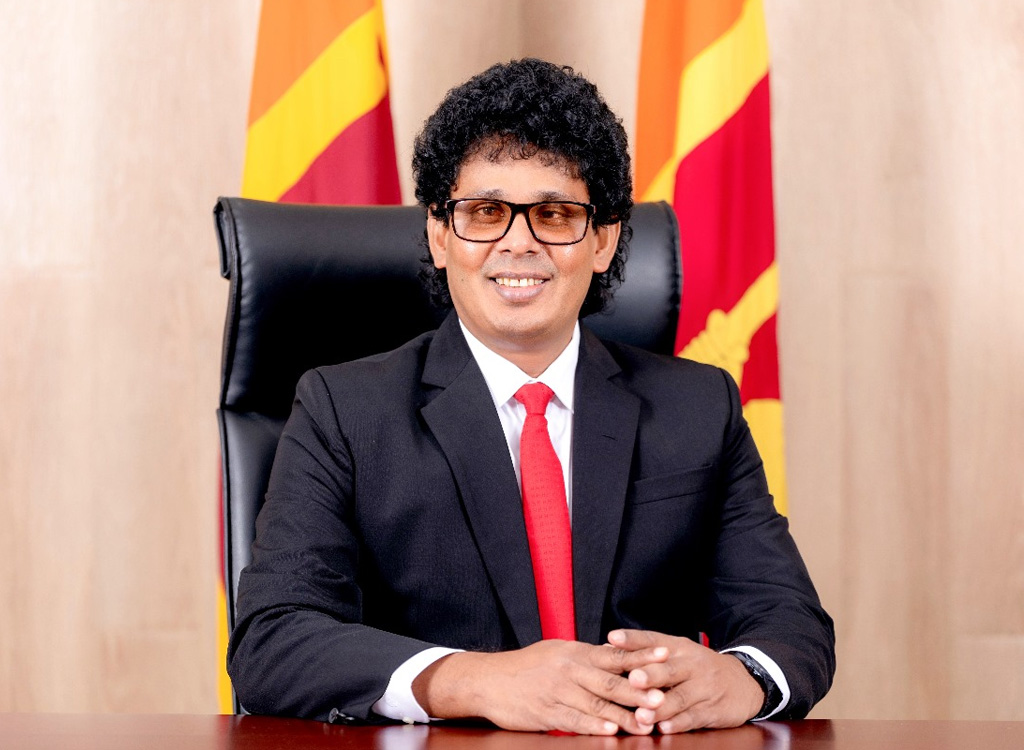
Senior government Minister Wasantha Samarasinghe has dismissed sections of the Auditor General’s report into the controversial coal import process, stating that some of the facts presented “cannot be accepted” and do not conclusively prove any wrongdoing.
Speaking during a televised debate, the Minister said the report outlines hypothetical scenarios rather than definitive findings of fraud. He stressed that the government maintains its position that the procurement process was carried out without irregularities that would amount to criminal misconduct.
“The report does not establish fraud. It merely presents possible situations,” he said, adding that conclusions should not be drawn beyond what has been explicitly proven.
The Auditor General’s report, which examined the coal procurement procedure that had paved the way for the procurement of substandard coal supplies, has sparked political debate in recent weeks, with opposition parties pointing to alleged discrepancies and procedural concerns. Critics argue that the report raises serious questions about transparency, pricing, and adherence to procurement guidelines, even if it stops short of declaring fraud.
In response, the government has consistently rejected claims of corruption, asserting that all due processes were followed. Minister Samarasinghe reiterated that any ambiguities highlighted in the report should be understood in context and not misinterpreted as evidence of malpractice.
The controversy has renewed focus on the role of independent oversight institutions and their ability to hold public officials accountable. While the Auditor General’s findings are not judicial determinations, they are often used as a basis for further investigations or policy review.
Political analysts note that the disagreement reflects a broader tension between government authorities and watchdog bodies, particularly when audit findings carry potential political consequences.
As debate continues, calls have grown for greater clarity and, if necessary, further inquiry to address the concerns raised. Whether the issue escalates into formal investigations or remains a matter of political dispute is likely to depend on both institutional follow-up and public pressure in the coming weeks.











Leave a comment