
By The Pulseline News Desk
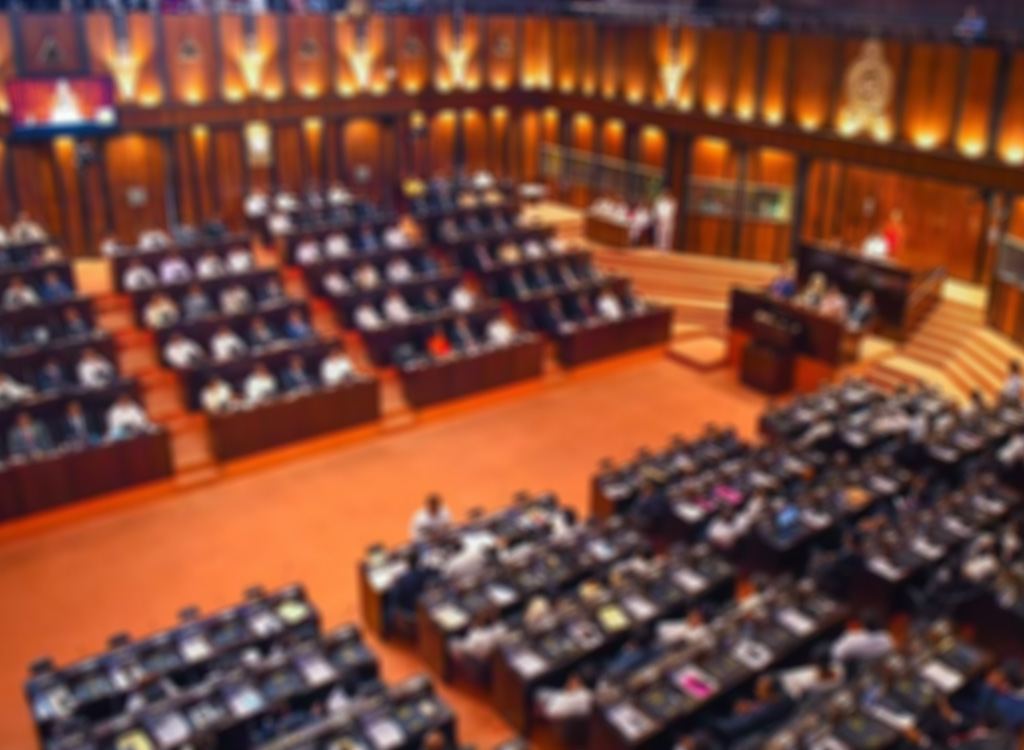
Sri Lanka’s internal parliamentary disputes have taken an international turn, as the Forum of Former Members of Parliament lodges formal complaints with key global institutions. The move reflects growing concern over governance, legality, and workplace standards within the legislature.
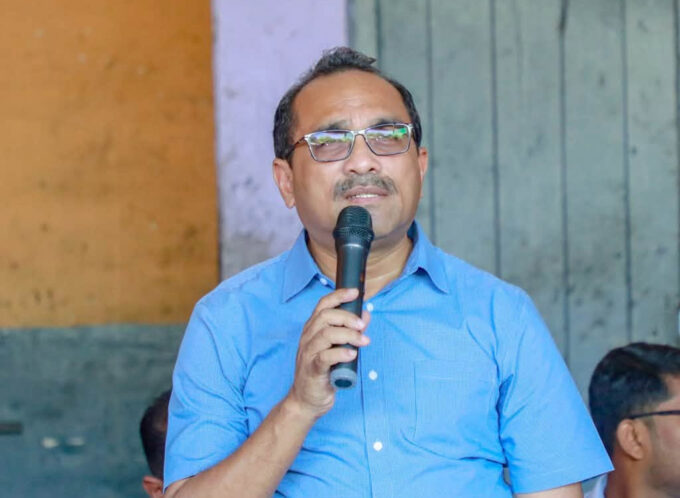
In letters signed by former MP Premasiri Manage, the Forum has appealed to the Inter-Parliamentary Union, the Commonwealth Parliamentary Association, and the United Nations High Commissioner for Human Rights. The complaints outline what the group describes as a series of illegal, unethical, and irregular actions within the Parliament of Sri Lanka.
The submission highlights four main grievances. The first is the cancellation of pensions for former Members of Parliament, which the Forum claims was carried out unlawfully. The second concerns the suspension of the Deputy Secretary General of Parliament, described as procedurally flawed and lacking proper legal authority. The third issue is the failure to implement recommendations from an inquiry led by a former High Court judge into the harassment and intimidation of a female staff member. The fourth relates to the resignation of another female officer, which the Forum attributes to ongoing discrimination and the failure to address earlier complaints.
Beyond these individual cases, the Forum raises broader concerns about institutional integrity. It argues that the process used to suspend the Deputy Secretary General relied on a preliminary inquiry without legal standing. The letter also claims that the Parliamentary Staff Advisory Committee does not have the legal authority to impose such disciplinary measures.
These allegations, if proven, point to deeper problems in administrative fairness and governance. They also raise questions about whether proper procedures are being followed within one of the country’s most important democratic institutions.
The human impact is also significant. Allegations of harassment, lack of accountability, and workplace discrimination suggest weaknesses in protection for staff and in the enforcement of professional standards.
By bringing these concerns to international bodies, the Forum is seeking external attention and oversight. Organizations like the Inter-Parliamentary Union and the Commonwealth Parliamentary Association can highlight governance issues and encourage corrective action, even if they do not have direct enforcement power.
However, the decision to raise these matters internationally may also spark debate within Sri Lanka about how domestic issues should be handled. While some may see it as necessary, others may question whether internal mechanisms should have been used more fully.
Ultimately, the issue centers on trust in public institutions. Allegations of legal irregularities, administrative overreach, and unresolved workplace complaints risk weakening confidence in Parliament. Addressing these concerns transparently and lawfully will be critical to maintaining the credibility of Sri Lanka’s democratic system.







Leave a comment