
By The Pulseline News Desk
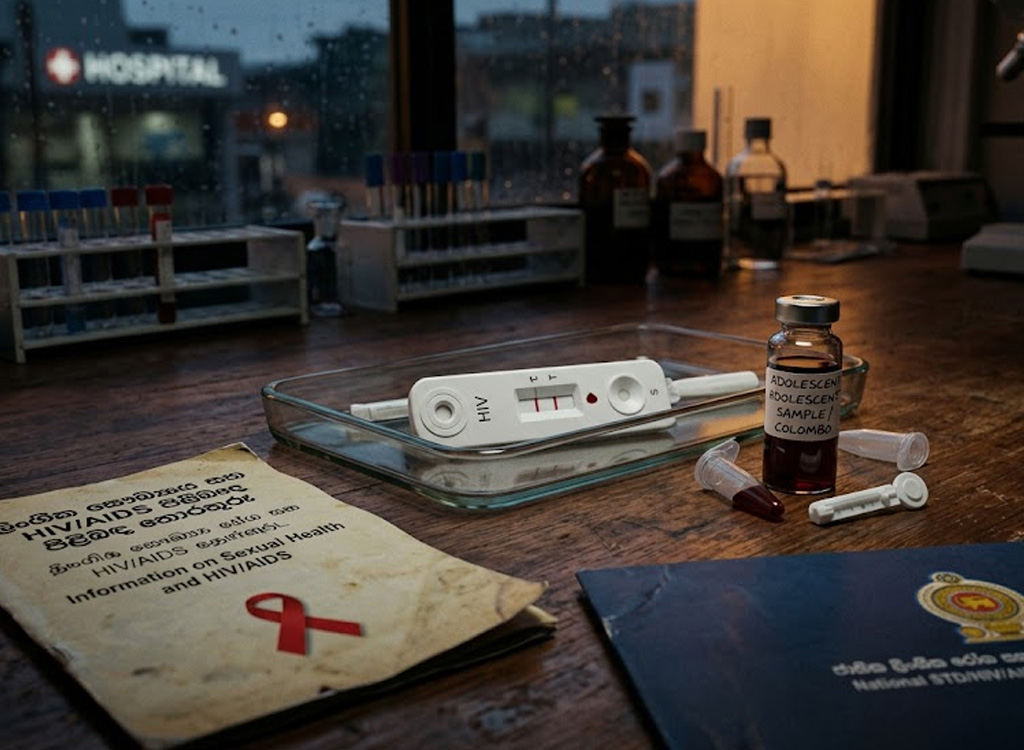
Sri Lanka is facing growing concern over an increase in sexually transmitted infections (STIs), including HIV, among adolescents, with health authorities warning that the trend is now being detected in both school and university populations.
Health Minister Dr. Nalinda Jayatissa has said the rise in infections among young people represents a shift from previous years and has prompted urgent discussions within the Ministry of Health and related government institutions.
“There has been an increase in HIV and other sexually transmitted infections (STIs) among adolescents compared to previous years,” the Minister has said, adding that several cases have been identified among school and university students following recent reviews.
While specific figures were not disclosed, the Minister has said the situation has raised concern within the public health system, leading to coordinated efforts involving multiple ministries.
Dr. Jayatissa has said the Ministry of Health is now working closely with relevant agencies to address the issue, while Prime Minister Harini Amarasuriya and the Minister of Women and Child Affairs have also been brought into the discussions to strengthen the national response.
Health officials say the emerging pattern highlights the need for improved awareness, early intervention, and expanded sexual and reproductive health education among adolescents. Public health experts argue that prevention efforts must focus not only on treatment and surveillance, but also on reducing stigma and improving access to accurate information for young people.
Although Sri Lanka has traditionally maintained relatively low HIV prevalence compared to global averages, officials caution that changes in behaviour patterns, gaps in awareness, and limited access to youth-friendly health services could increase vulnerability among younger age groups if not addressed early.
The coordinated government response is expected to focus on prevention strategies across schools and universities, alongside strengthened screening and counselling services.
As discussions continue, health authorities warn that the rising trend underscores the importance of early education and targeted interventions to prevent further spread among adolescents, a group considered particularly vulnerable due to both biological and social factors.












Leave a comment