
By The Pulseline News Desk
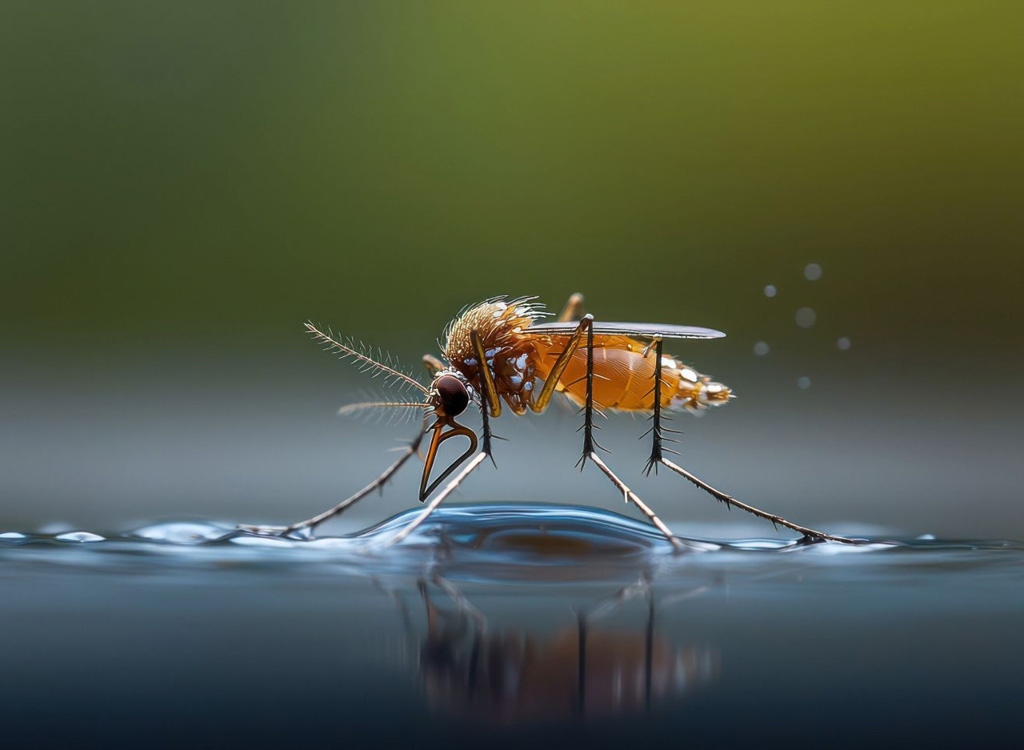
Sri Lanka is in the grip of a dengue epidemic with health authorities confirming this week that reported cases have crossed the 50,000 mark, with between 600 and 700 new infections recorded every day — a pace that has pushed the outbreak beyond the threshold of epidemic classification.
“The disease has reached epidemic proportions,” Dr. Kapila Kannangara, Acting Director of the National Dengue Control Unit has noted. “We are now reporting around 600 to 700 dengue cases a day, and the total number of cases has exceeded 50,000.”
The surge is being driven by a combination of factors that health officials say are proving difficult to contain: favourable weather conditions during the ongoing southwest monsoon season, widespread mosquito breeding across the island, and what Dr. Kannangara described as inadequate public participation in control efforts.
In response, health authorities have launched a targeted intervention across 600 high-risk Grama Niladhari divisions identified as dengue hotspots. The campaign — involving government institutions, schools and local authorities — focused on eliminating breeding sites through coordinated clean-up drives and public awareness programmes. A circular outlining short-term prevention measures has also been issued nationwide. Officials say thousands of breeding sites were detected and cleared during the operation.
Dr. Kannangara has expressed cautious optimism. “With the massive prevention measures in place, the situation is under control, and we are about to see the results in the weeks to come,” he has said. But he has also stressed that the response cannot rest on government action alone, urging residents to inspect their homes regularly, remove stagnant water and cooperate with health inspection teams. “Public participation remains the most effective way to reduce mosquito breeding,” he said.
The current outbreak is not without precedent. Sri Lanka has crossed epidemic thresholds before — in 2017, 2019 and 2023 — but the scale of those episodes serves as a sobering reminder of how quickly the situation can deteriorate. The 2017 outbreak remains the worst in the country’s recorded history, with 186,101 cases and 440 deaths placing the healthcare system under severe strain. Whether 2026 follows that trajectory will depend, health officials say, largely on what happens in the coming weeks — and on whether the public heeds the call to act.
Dengue is a mosquito-borne viral illness transmitted primarily by the Aedes aegypti mosquito, which breeds in stagnant water and thrives in warm, humid conditions. The disease causes high fever, severe headaches, joint and muscle pain, and in its more dangerous form — dengue haemorrhagic fever — can lead to internal bleeding and death. There is no specific antiviral treatment; management is largely supportive, making prevention the only reliable line of defence.
Sri Lanka’s tropical climate and monsoon cycles create near-ideal conditions for the virus to spread. The southwest monsoon, which runs roughly from May to September, brings heavy rainfall that fills drains, flowerpots, construction sites and discarded containers — turning urban and semi-urban neighbourhoods into breeding grounds. The problem is compounded in densely populated areas where standing water is difficult to eliminate entirely.









Leave a comment