
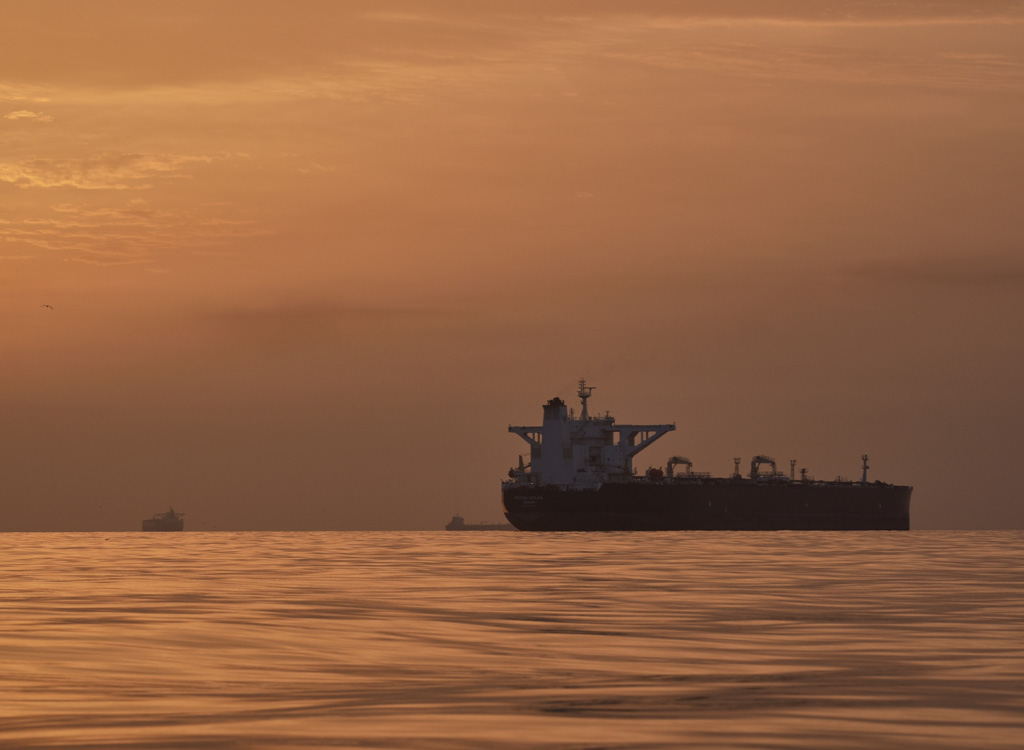
Tensions in the Middle East have intensified after Iran seized two foreign-flagged vessels in the Strait of Hormuz, tightening its control over one of the world’s most critical shipping lanes amid an increasingly fragile ceasefire and stalled diplomatic efforts involving the United States.
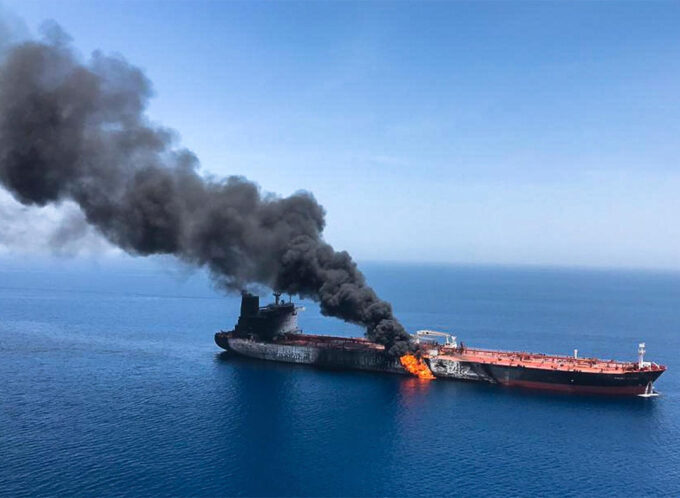
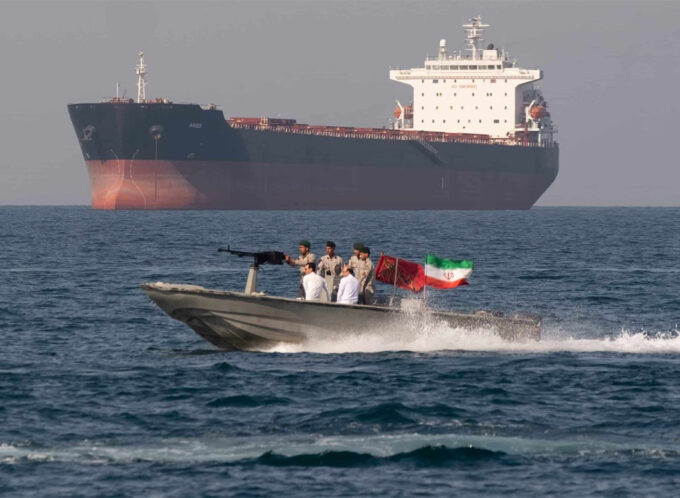
According to reports from shipping companies and Iranian media, the Islamic Revolutionary Guard Corps (IRGC) intercepted and escorted the vessels identified as the Liberia-flagged Epaminondas and the Panama-flagged MSC Francesca to Iranian waters. Iran has accused the ships of operating without proper authorisation and interfering with navigation systems. A third vessel, also Liberia-flagged, was reportedly fired upon but continued its journey without damage.
The seizures come at a time of heightened geopolitical uncertainty following US President Donald Trump’s announcement that Washington had “indefinitely” paused planned military strikes while exploring renewed peace talks. However, no formal agreement on extending the ceasefire has been confirmed by Iranian authorities, raising doubts over the status of the truce.
Iranian parliamentary speaker and chief negotiator Mohammad Baqer Qalibaf rejected the notion of a functioning ceasefire, insisting that any agreement would be meaningless unless the U.S.-led naval pressure on Iranian maritime trade was lifted. He described the continued disruption of shipping through the Strait of Hormuz as a “flagrant breach” and warned that reopening the waterway under current conditions was not possible.
The Strait of Hormuz, a narrow but strategically vital passage, is responsible for transporting roughly one-fifth of global oil shipments. Any disruption to traffic through the corridor has immediate implications for global energy markets. Brent crude prices reflected this concern, remaining above $100 per barrel in Asian trading after briefly surging earlier in the week.
The United States has maintained a maritime blockade aimed at restricting Iranian trade flows, with U.S. forces reportedly redirecting or turning back more than 30 vessels. American officials have also confirmed interceptions of Iranian-flagged tankers in international waters across Asia, including areas near India, Malaysia, and Sri Lanka.
While the White House has described Iran’s seizure of non-U.S. vessels as “piracy,” it has also clarified that such incidents do not constitute a direct violation of the ceasefire agreement as framed by Washington. Meanwhile, tensions within the U.S. defence establishment have also surfaced, with Navy Secretary John Phelan removed from his post in a broader shake-up of military leadership.
Diplomatic efforts to revive negotiations remain stalled. Talks mediated by Pakistan have failed to produce any breakthrough, and no new round of discussions has been formally scheduled. The U.S. position continues to centre on demands that Iran halt uranium enrichment activities, which Washington argues could lead to weaponisation. Iran maintains that its nuclear programme is strictly civilian and insists on sanctions relief and recognition of its maritime claims as conditions for any lasting agreement.
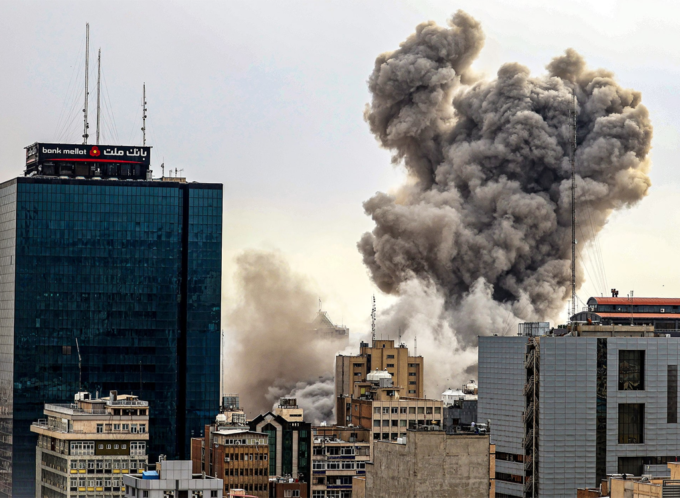
The conflict has also had wider regional consequences. Israeli airstrikes in Lebanon, where the Iran-backed Hezbollah movement remains active, have added to the instability, with multiple casualties reported in recent attacks. The broader conflict has already claimed thousands of lives across the region since hostilities escalated earlier this year.
With no clear diplomatic pathway and escalating maritime tensions, the situation in the Strait of Hormuz remains precarious. As global energy markets brace for continued volatility, the standoff underscores the strategic importance of the waterway — and the far-reaching consequences of any disruption to its flow.









Leave a comment