
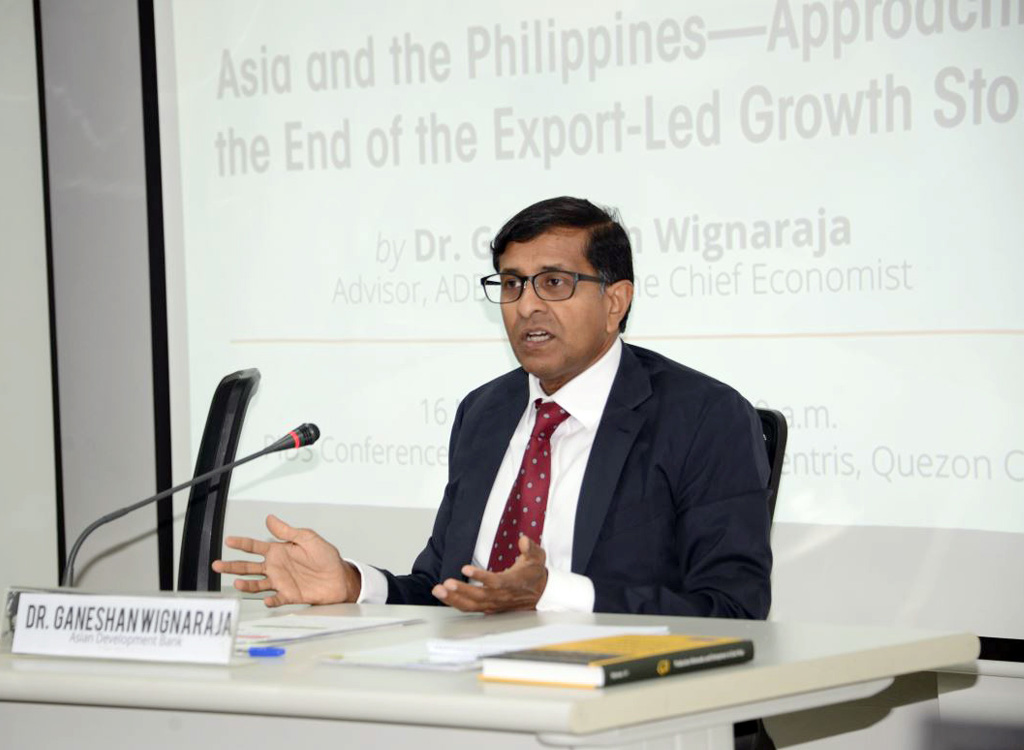
Sri Lanka must pursue a “big bang” reform agenda to convert its post-crisis stabilisation into durable, investment-led growth, ODI Senior Fellow and former Asian Development Bank Institute Research Director Dr. Ganeshan Wignaraja said, warning that incremental reform would leave the economy exposed to renewed shocks.
Delivering the keynote address at the Asia Securities Investor Conference 2026, Dr. Wignaraja said Sri Lanka’s recent recovery, while credible, remained cyclical and vulnerable to renewed shocks.
“Gradual reform is useful, but I now think more and more that we have to do a big bang set of reforms,” he said. “Our system has only allowed for gradual reforms, normally two steps backwards and one step forward.”
He said Sri Lanka’s 2022 default and subsequent crisis reflected a wider pattern seen in developing economies facing high debt and external shocks.
“One of the defining patterns of recent economic history is that debt crises and external shocks leave deep scars on a country,” Dr. Wignaraja said, adding that climate-related shocks could make those effects more severe and long-lasting.
Referring to the stabilisation phase, he said the IMF program launched in March 2023, emergency financing from development partners, and decisive monetary policy by the Central Bank had prevented the economic crisis from escalating into a financial crisis.
“What really matters for investors is not how the crisis began, but how the country responded to the crisis,” he said.
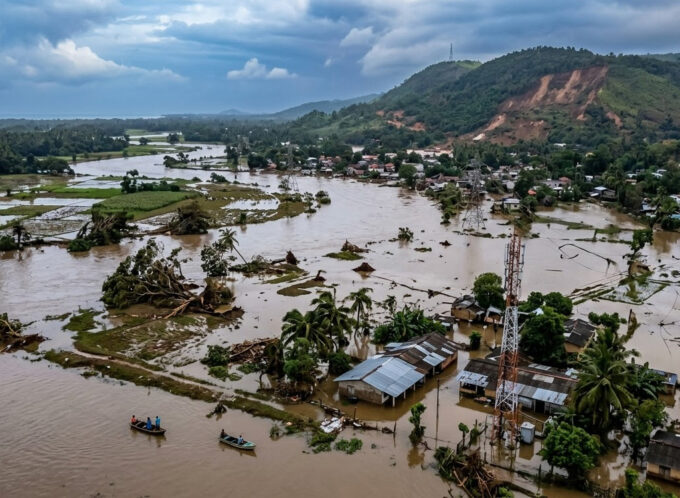
Turning to Cyclone Ditwah, Dr. Wignaraja said the disaster underscored the urgency of linking recovery with reform. “Unlike the tsunami, this shock affected a very large share of the country,” he said, noting that damage was estimated at about $ 4.1 billion, or roughly 4% of GDP.
He warned that the response had again exposed weaknesses in preparedness and coordination.
Drawing on joint work by ODI and the Centre for Poverty Analysis, Dr. Wignaraja outlined priorities for post-Ditwah recovery, including a credible reconstruction strategy, better mobilisation of domestic resources alongside foreign aid, and engagement with the IMF to allow limited fiscal flexibility to address rising poverty.
“The credibility we have built by implementing the program gives some room to engage constructively with the IMF,” he said.
He said Sri Lanka also needed sweeping reforms to reduce red tape, address high energy costs, improve labour productivity and integrate more deeply into global supply chains.
“There is a 20-year story of red tape that strangles business,” he said, adding that high factor costs and skills shortages continued to deter investment.
Dr. Wignaraja warned that without decisive reforms, Sri Lanka risked returning to familiar cycles of debt distress.
“The real question is how long this recovery can last without moving into productivity- and investment-driven growth,” he said, adding that political will and durable consensus were essential to reassure investors and markets.
Source: Daily FT












Leave a comment