
By The Pulseline News Desk
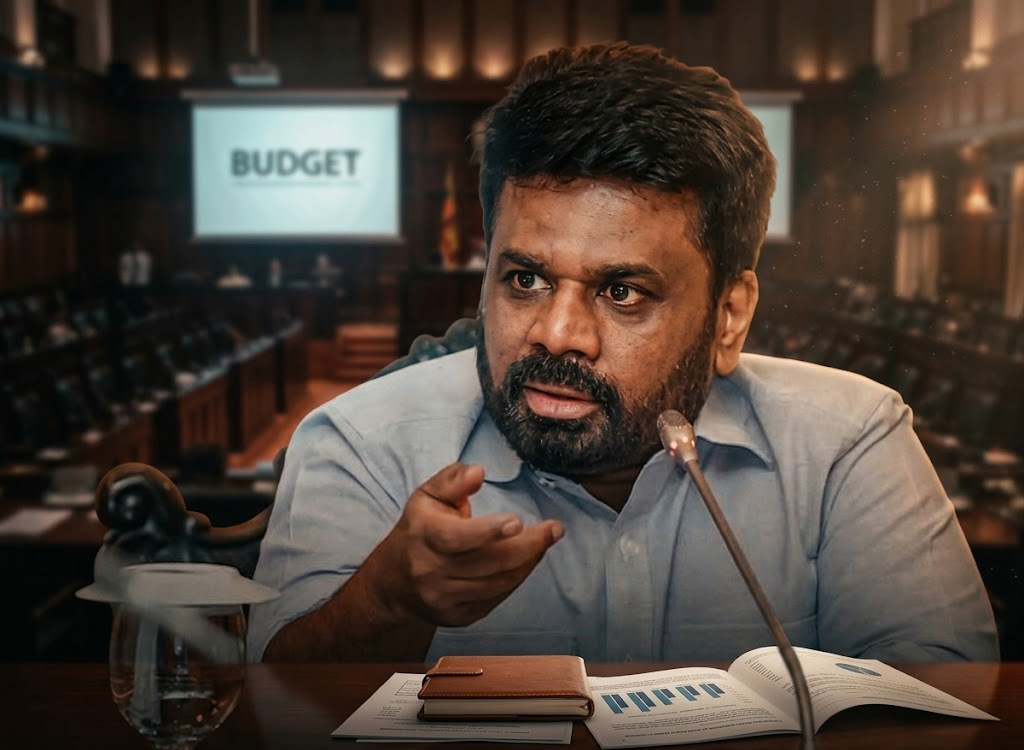
President Anura Kumara Dissanayake (AKD) has pledged further tax reductions in the 2027 Budget, insisting that the Government has managed to achieve its revenue targets without introducing new taxes since assuming office.
Addressing the National Convention of the National Intellectuals Organization in Colombo, Dissanayake has said the Government had already reduced several existing taxes and intended to provide additional relief to the public through the upcoming Budget.
Responding to criticism over whether the State could increase revenue without imposing additional taxes, he has maintained that his administration had not introduced a single new tax since coming to power.
He has also argued that previous governments had often treated Budget proposals as procedural documents presented to fulfil administrative requirements, with many of the announced targets subsequently going unmet.
Referring to past revenue performance, the President has cited instances in which Government revenue had exceeded projected targets, including reaching 110% of the target in 2010.
He has said the current administration had demonstrated that revenue collection could be strengthened without relying entirely on additional taxation.
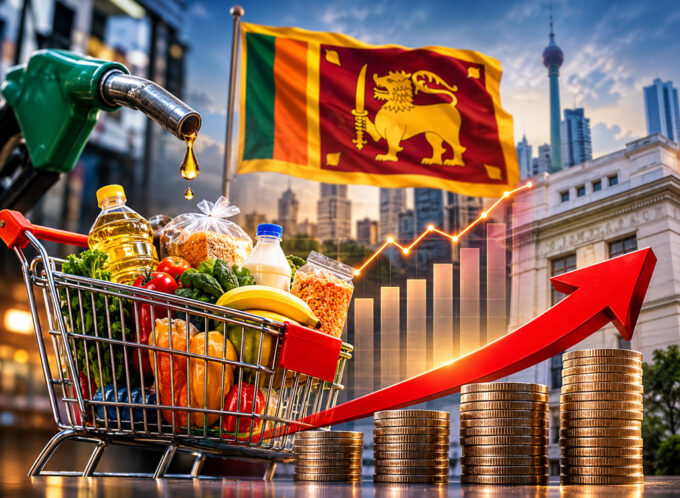
The pledge comes as households and businesses continue to face pressure from the country’s tax structure, particularly the 18% Value Added Tax (VAT), personal income taxes and other indirect levies introduced or increased during the country’s economic recovery.
Tax relief versus IMF commitments
The proposed tax reductions will have to be balanced against Sri Lanka’s commitments under the International Monetary Fund’s (IMF) Extended Fund Facility (EFF) programme, which places considerable emphasis on revenue mobilisation, fiscal consolidation and debt sustainability.
The previous administration introduced significant tax increases as part of the IMF-supported economic reform programme, including raising VAT to 18% from 15% in January 2024 and reducing the personal income tax-free threshold.
The current administration has also faced pressure to maintain revenue collection while providing relief to households struggling with the cost of living.
In its latest programme review, the IMF projected Government tax revenue at around 14% of GDP in 2026 and emphasised the need to sustain revenue mobilisation through improved tax administration, compliance and a broader tax base.
The IMF has also identified additional revenue measures introduced or planned during 2026, including VAT on digital services and changes to the taxation of certain imported products.
This highlights the importance of clarifying the President’s assertion that no new taxes have been introduced, particularly as the IMF programme records several new revenue measures during the current administration.
The Government has also abandoned a proposed reduction in the VAT registration threshold from Rs.60 million to Rs.36 million in annual turnover following concerns over its potential impact on small and medium-sized businesses.
2027 Budget comes into focus
The President’s remarks come less than two weeks before the presentation of the 2027 Budget, scheduled for November 12.
The Budget will be the Government’s opportunity to demonstrate how it intends to balance its promise of tax relief with the need to maintain revenue targets and meet public expenditure commitments.
The 2027 Appropriation Bill provides for Government expenditure of approximately Rs.4.99 trillion.
Under the IMF programme, Sri Lanka is expected to return to a primary budget surplus target of 2.3% of GDP in 2027, placing further emphasis on maintaining fiscal discipline.
A primary surplus means Government revenue exceeds expenditure excluding interest payments on outstanding debt.
While the President has indicated that selected taxes will be reduced, he has not specified which taxes will be targeted, the extent of the proposed reductions or when they would take effect.
The challenge will be to translate the promised relief into tangible benefits for households and businesses without undermining the Government’s revenue performance and commitments to creditors.
With the cost of living remaining a major public concern, the tax proposals in the November Budget are likely to attract considerable attention from both taxpayers and the business community.










Leave a comment