
By The Pulseline News Desk
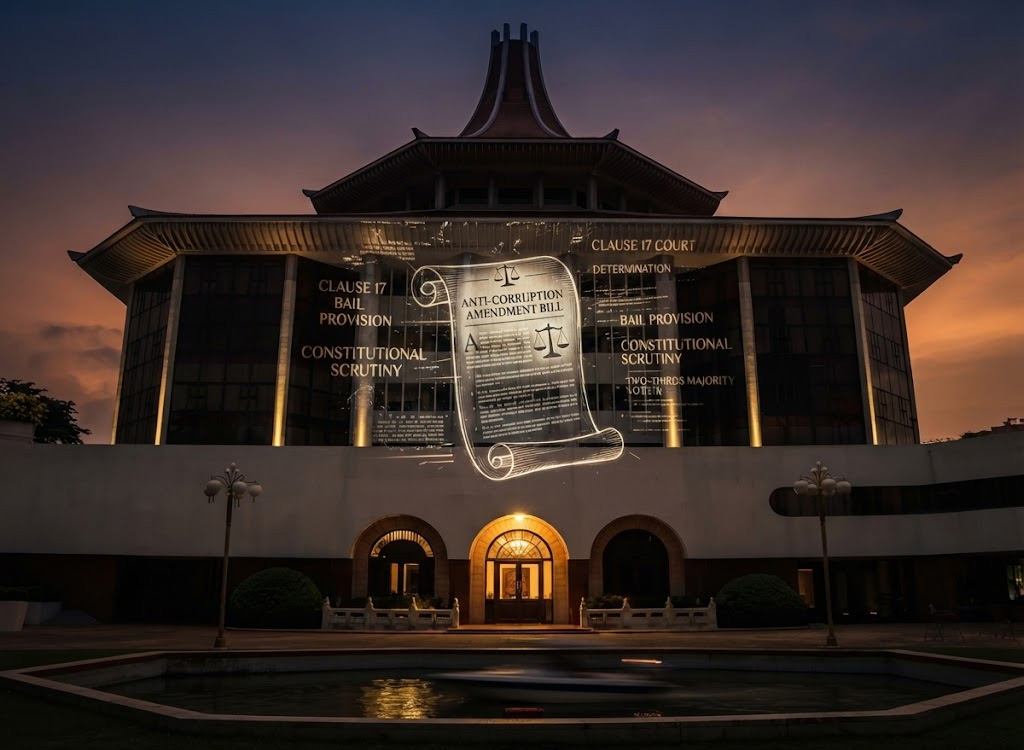
The proposed Anti-Corruption (Amendment) Bill is set to take centre stage in Parliament next week, with MPs scheduled to debate the legislation on October 8 following a Supreme Court determination that several provisions require a higher threshold for passage.
Parliament is scheduled to meet from October 6 to 9, with the second reading of the Anti-Corruption (Amendment) Bill scheduled for October 8.
The Bill seeks to amend the Anti-Corruption Act, No. 9 of 2023, which established the current legal framework for preventing and investigating corruption and strengthened the powers of the Commission to Investigate Allegations of Bribery or Corruption (CIABOC).
The proposed amendments have already come under constitutional scrutiny, with several petitions filed before the Supreme Court challenging provisions of the Bill.
The Supreme Court has determined that Clause 17, dealing with bail for offences under the proposed amendments, is inconsistent with the Constitution and would require approval by a two-thirds majority in Parliament as well as approval by the people at a referendum.
The Government, however, has indicated that it does not intend to proceed with a referendum on the provision. Cabinet Spokesman Minister Nalinda Jayatissa has said the Government would either remove Clause 17 or amend it during the committee stage.
The Supreme Court has also identified other provisions requiring a two-thirds majority in Parliament.
These include Clause 6(7), relating to asset and liability declarations by owners, chairpersons and directors of media institutions registered with the Ministry of Mass Media and entities licensed by the Telecommunications Regulatory Commission.
The Court has also raised constitutional concerns regarding Clause 7, including the proposed repeal of Section 81(e).
The remaining provisions of the Bill were determined to be consistent with the Constitution and can proceed with a simple parliamentary majority.
The legislation now enters the parliamentary stage against the backdrop of the Government’s broader efforts to strengthen Sri Lanka’s anti-corruption framework.
The outcome of the constitutional review has also placed the Government in a position where amendments or withdrawals will be required for provisions that cannot proceed without the higher constitutional threshold.
With the Government indicating that it will not seek a referendum on Clause 17, attention will now turn to the October 8 debate and the subsequent committee-stage consideration of the Bill.
The debate is expected to determine how the Government intends to revise the disputed provisions while retaining the wider amendments proposed to the country’s anti-corruption legislation.












Leave a comment