
By The Pulseline News Desk
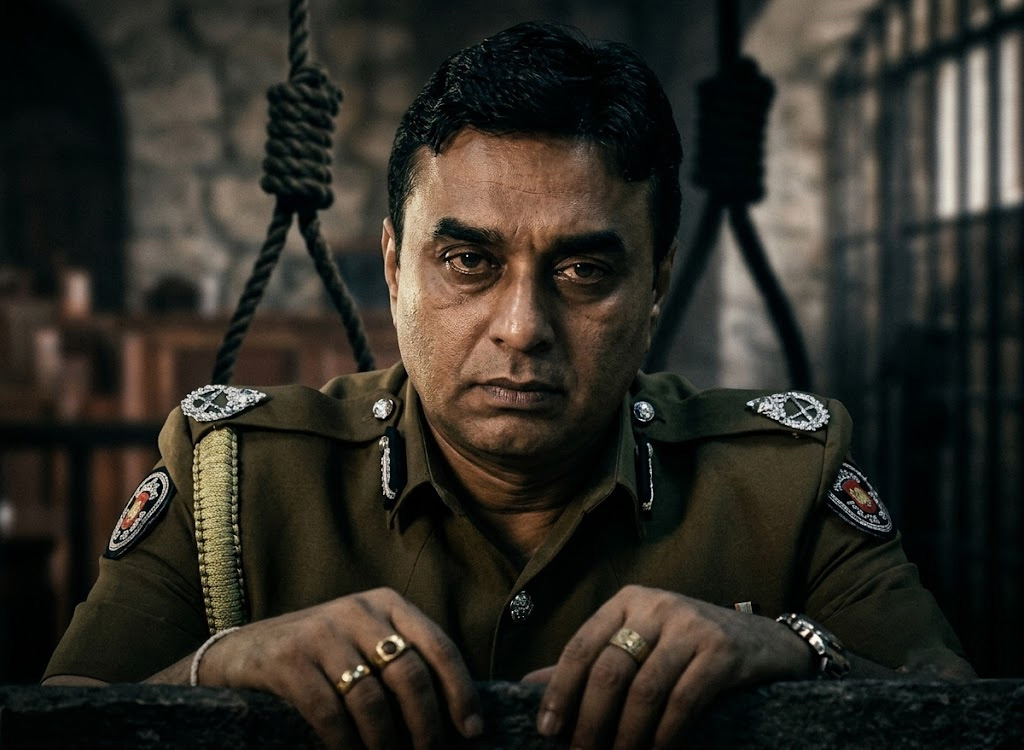
More than seven years after the Easter Sunday terrorist attacks shook Sri Lanka, the country’s justice system delivered one of its most consequential verdicts on Friday (31 July), sentencing former Inspector General of Police (IGP) Pujith Jayasundara to death for failing to act on intelligence warnings that could have prevented the tragedy.
In a landmark majority ruling, the three-judge Colombo Permanent High Court Trial-at-Bar found the former police chief guilty on 854 of the 855 charges filed against him, concluding that his inaction amounted to criminal negligence, dereliction of duty and aiding and abetting the deaths of hundreds of innocent people.
The decision represents one of the most significant judicial findings arising from the investigations into the April 21, 2019 Easter Sunday bombings, which targeted churches and luxury hotels, killing more than 260 people and injuring hundreds in one of the deadliest terrorist attacks in Sri Lanka’s history.
Intelligence ignored
Delivering the majority judgment, the court held that Jayasundara had received credible intelligence on the evening of April 20, 2019 from then State Intelligence Service (SIS) Director Nilantha Jayawardena warning that suicide bombers were preparing to attack Catholic churches and tourist hotels in Colombo and its suburbs on Easter Sunday.
Despite the gravity of the warning, the court found that the then IGP failed to take any meaningful preventive action.
“As the officer appointed by the State to prevent crime, he failed in his duty,” the judge had observed while delivering the verdict, underscoring that the country’s highest-ranking police officer had neglected his legal and professional responsibility to protect the public.
The majority concluded that this failure directly contributed to the devastating consequences of the coordinated attacks.
Reversal after earlier acquittal
Friday’s verdict also marks a dramatic reversal in a case that had appeared to end more than four years ago.
In February 2022, Jayasundara and former Defence Secretary Hemasiri Fernando were acquitted by the same Trial-at-Bar at the close of the prosecution’s case, without being called upon to present their defence.
The Attorney General had subsequently challenged that decision before the Supreme Court, arguing that the acquittal was legally unsustainable.
The Supreme Court had agreed, ruling that the Trial-at-Bar had erred in law and directing that the trial continue, paving the way for Friday’s historic judgment.
Split verdict
The decision was not unanimous.
While two judges found that the prosecution had established the charges beyond reasonable doubt, one member of the bench dissented, holding that the evidence fell short of the criminal standard required for conviction.
The majority verdict, however, prevailed, resulting in the imposition of the death sentence.
Accountability still unfolding
Jayasundara, Sri Lanka’s 34th IGP, served from April 2016 until he was sent on compulsory leave in the immediate aftermath of the Easter Sunday attacks.
His conviction is likely to reignite debate over accountability within Sri Lanka’s political and security establishment, as victims’ families have consistently argued that multiple officials ignored repeated intelligence warnings before the attacks.
Meanwhile, the case against former Defence Secretary Hemasiri Fernando, who also faces charges over the alleged failure to prevent the attacks, remains pending before the court.
Friday’s judgment is therefore unlikely to be the final chapter in the long-running legal effort to establish responsibility for one of the darkest days in Sri Lanka’s modern history.













Leave a comment