
By The Pulseline News Desk
Sri Lanka could reduce electricity tariffs by at least 10% in the fourth quarter of 2026, as heavy rainfall boosts hydropower generation and reservoir levels, despite a proposal by the National System Operator (NSO) Private Limited to increase tariffs by 2.88%, the Electricity Consumers’ Association (ECA) has said.
ECA General Secretary Sanjeewa Dhammika has told the media that the increased availability of water for hydropower generation could reduce the country’s reliance on more expensive electricity sources, creating an opportunity to lower electricity bills for consumers between October and December.
He has said the Public Utilities Commission of Sri Lanka (PUCSL), which is reviewing the NSO’s tariff proposal, had indicated that the requested increase could be reduced to approximately 1.46%.
However, the ECA believes the prevailing conditions in the power sector could justify a tariff reduction rather than an increase.
“The PUCSL has observed that the proposed increase could be limited to around 1.46%. However, when we look at the data, we can say that electricity tariffs could be reduced by at least 10%,” Dhammika has said.
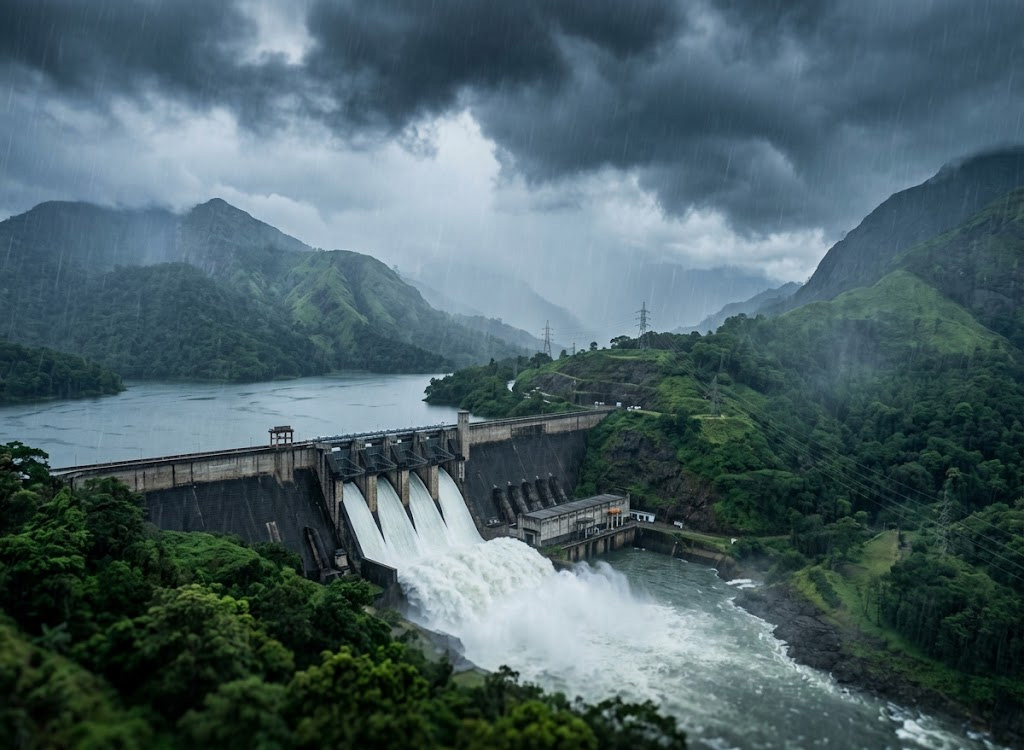
He has pointed to heavy rainfall across the country, which has rapidly increased reservoir levels, with several reservoirs reportedly spilling over.
According to Dhammika, the increased water availability should be factored into the tariff review, as it could enable power generators to increase hydropower production and reduce the need to generate electricity using more expensive sources. “Reservoirs are filling rapidly these days, and many are spilling over. This must also be taken into consideration when implementing the tariff revision,” he has said.
The NSO has reportedly sought PUCSL approval for a 2.88% electricity tariff increase for the fourth quarter. The regulator has published its preliminary review of the proposal on its official website, while public consultations on the proposed revision have commenced.
PUCSL Director-General Damitha Kumarasinghe has confirmed that the proposal is under review, with the regulator’s preliminary assessment indicating that the requested increase could be limited to around 1.46%.
The final tariff decision will determine whether consumers face an increase, a reduction or no change during the quarter.
The ECA’s position places the spotlight on how changes in the electricity generation mix, particularly the contribution from hydropower, are reflected in tariff calculations.
Hydropower availability can influence generation costs by reducing the need to rely on more expensive thermal power generation. However, the extent of any potential tariff reduction would depend on the regulator’s assessment of generation costs and other relevant factors in the quarterly tariff review.
With the PUCSL reviewing the NSO’s proposal, electricity consumers are awaiting a final decision that will determine the direction of tariffs for the remainder of 2026.










Leave a comment