
By The Pulseline News Desk
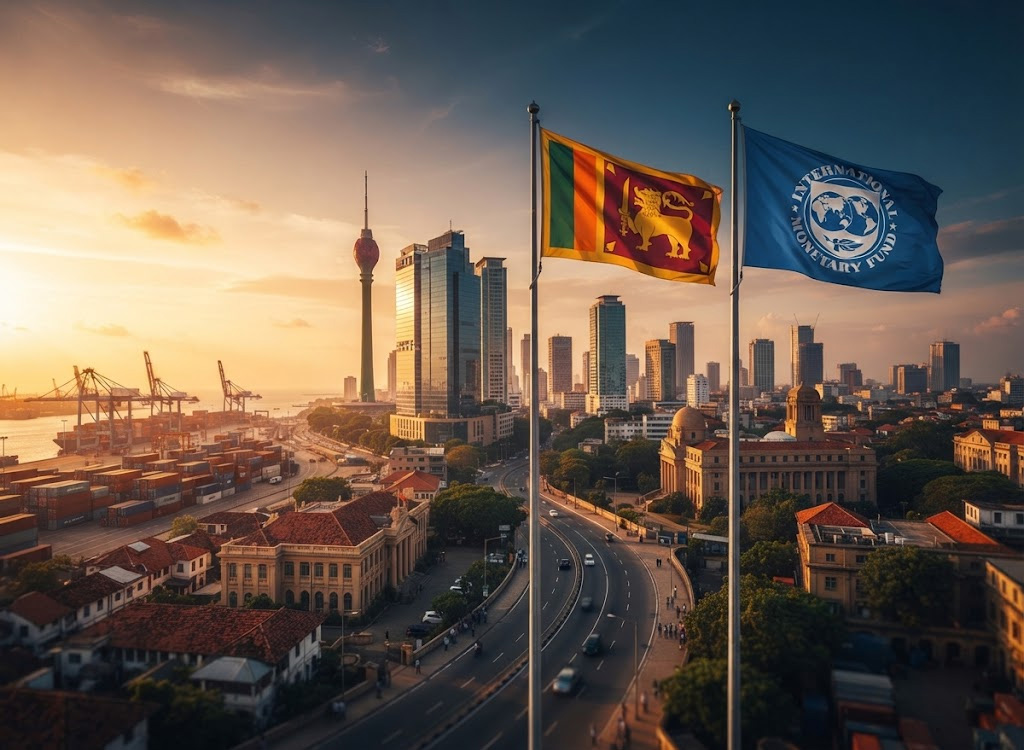
The International Monetary Fund (IMF) has called for Sri Lanka to develop a comprehensive Medium-Term Revenue Strategy before considering further tax reforms, as growing fiscal space fuels demands for relief among middle-income earners.
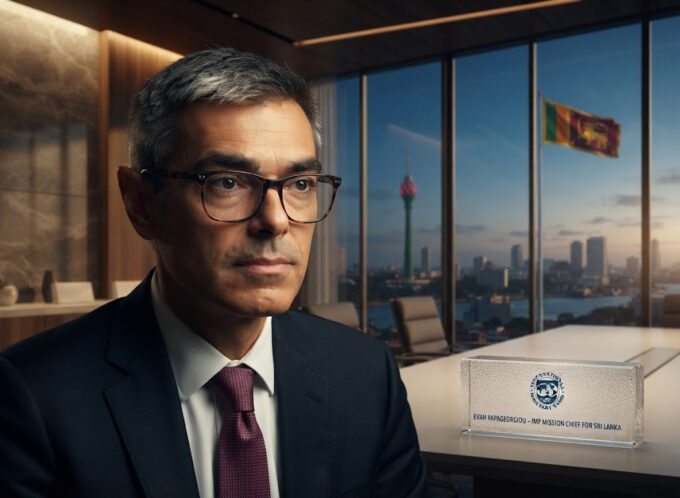
IMF Mission Chief for Sri Lanka Evan Papageorgiou has said the country’s improved fiscal position had made the question of tax relief a legitimate one but stressed that any changes should be considered as part of a broader review of the tax system rather than through isolated reductions.
The issue arose during the media briefing on Wednesday (23) when the media had asked whether there was room to ease the tax burden while maintaining fiscal stability and protecting vulnerable groups through social safety nets.
Papageorgiou has pointed to the significant improvement in Sri Lanka’s public finances, noting that tax revenue has reached 15.4% of GDP in 2025 — around twice the level recorded in 2022.
The country has also recorded a primary surplus of more than 5% last year, while fiscal performance has continued to exceed programme targets this year, he said.
The stronger revenue position, improved fiscal buffers and higher foreign exchange reserves have consequently prompted questions over whether the tax burden on citizens can now be reduced.
IMF: Tax relief cannot be considered in isolation
Papageorgiou has acknowledged that taxpayers are increasingly asking what the purpose of building stronger reserves and fiscal buffers is if there is no discussion about the level of taxation.
However, he has said decisions on tax relief should be based on a comprehensive assessment of the revenue system.
The IMF Mission Chief has said Sri Lanka needs to consider not only whether individual taxes could be reduced, but also the sustainability of government revenue, the pace of revenue growth and the overall level of taxation required to maintain fiscal stability.
He has cautioned against reducing a particular tax or introducing isolated changes without first assessing how such measures would affect the wider tax structure.
Instead, he has proposed a broader national discussion on what Sri Lanka’s tax system should look like over the medium term, with a comprehensive Medium-Term Revenue Strategy providing the framework for future reforms.
Wider review of tax system needed
Such a review would need to cover personal income tax, corporate taxation, VAT, taxes on capital, exemptions and incentives, as well as other components of the revenue system, Papageorgiou has said.
The IMF official has noted that taxation has a significant influence on economic activity and business decisions, making the structure of the tax system an important consideration for Sri Lanka’s economic recovery.
The debate therefore extends beyond whether taxes should be reduced for particular groups. It also involves determining how much revenue the Government needs, how that revenue should be raised and how the tax burden should be distributed across households and businesses.
For Sri Lanka, the discussion comes as the Government seeks to preserve the fiscal gains made since the economic crisis while responding to growing pressure over the cost of living and the burden of taxation.








Leave a comment