
By The Pulseline News Desk
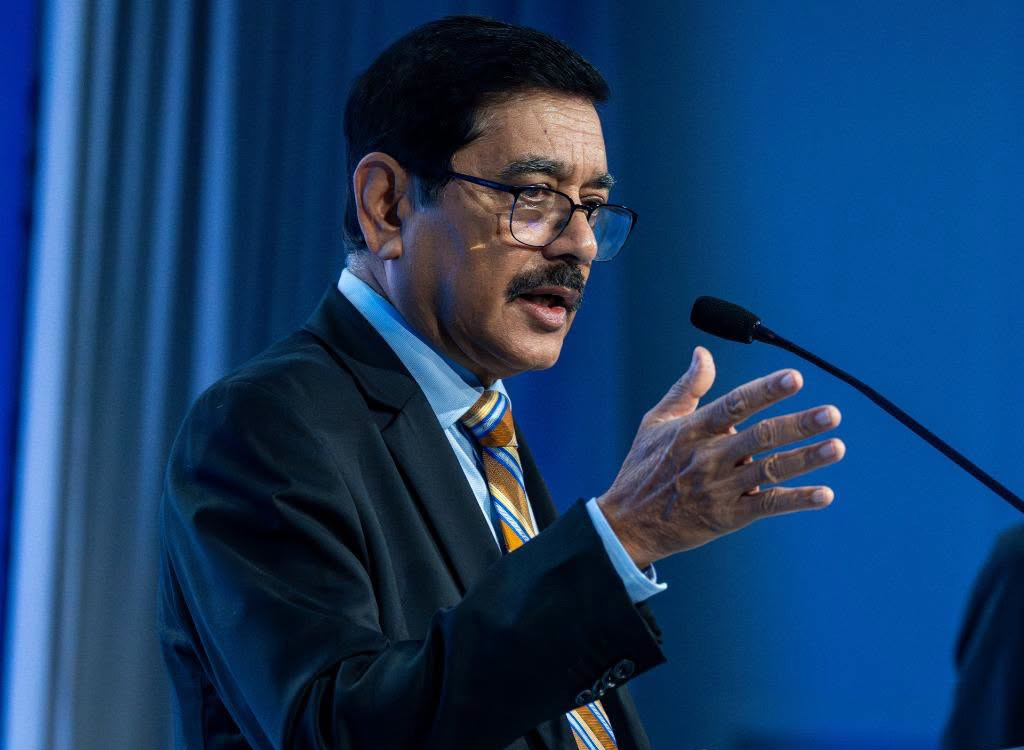
Sri Lanka’s headline inflation could reach around 9% in the near term, exceeding earlier projections by the Central Bank of Sri Lanka (CBSL), Governor Dr. Nandalal Weerasinghe has said, explaining the rationale behind the latest monetary policy tightening.
The CBSL on Friday (20) raised its key monetary policy rate by 25 basis points and increased the Statutory Reserve Ratio (SRR) for commercial banks by one percentage point, citing higher-than-expected inflation and rapid credit growth.
Speaking to reporters after the policy announcement, Weerasinghe has said inflation was expected to remain elevated in the coming months, with the CBSL’s latest projections indicating that headline inflation could approach 9% by the end of November. “Inflation is going to remain elevated in the near term, at higher than expected levels compared to the last review,” he has said.
He has explained that the latest inflation projections represented a significant upward revision from the CBSL’s expectations when it previously tightened monetary policy in May.
The Governor has also pointed to inflation expectations surveys, which indicated that short-term expectations had shifted upwards, reinforcing concerns about persistent price pressures.
He has said the immediate priority was to bring inflation back within the CBSL’s target range as quickly as possible. However, the CBSL expects inflation to begin stabilising and return towards target levels during the second half of next year.
Liquidity absorption behind reserve ratio increase
Explaining the decision to increase the SRR by one percentage point, Weerasinghe has said the move was intended primarily to absorb excess liquidity from the banking system on a permanent basis.
He has acknowledged that the SRR was not a conventional monetary policy instrument but said prevailing market conditions provided an opportunity to use it to address the substantial excess structural liquidity in the financial system.
According to the Governor, the banking system had around Rs.460 billion in excess structural liquidity, which the CBSL had been managing through regular liquidity-absorption auctions.
The one-percentage-point increase in the reserve ratio is expected to withdraw close to Rs.150 billion from the banking system, transferring that liquidity back to the CBSL.
Weerasinghe has said the measure would help contain excessive credit expansion by commercial banks while giving the CBSL greater control over liquidity conditions.
He has added that even after absorbing the additional liquidity, the CBSL would retain sufficient flexibility to inject funds when necessary and manage short-term interest rates in line with its monetary policy objectives.
The Governor has said the combined measures were intended to moderate credit growth, contain inflationary pressures and accelerate the return of inflation to the targeted range.
The latest tightening marks a shift towards a more restrictive monetary policy stance as the CBSL responds to inflationary pressures that have exceeded its earlier projections. The effectiveness of the measures will depend on how quickly they moderate credit expansion and stabilise price increases without unnecessarily constraining economic activity.










Leave a comment