
By The Pulseline News Desk
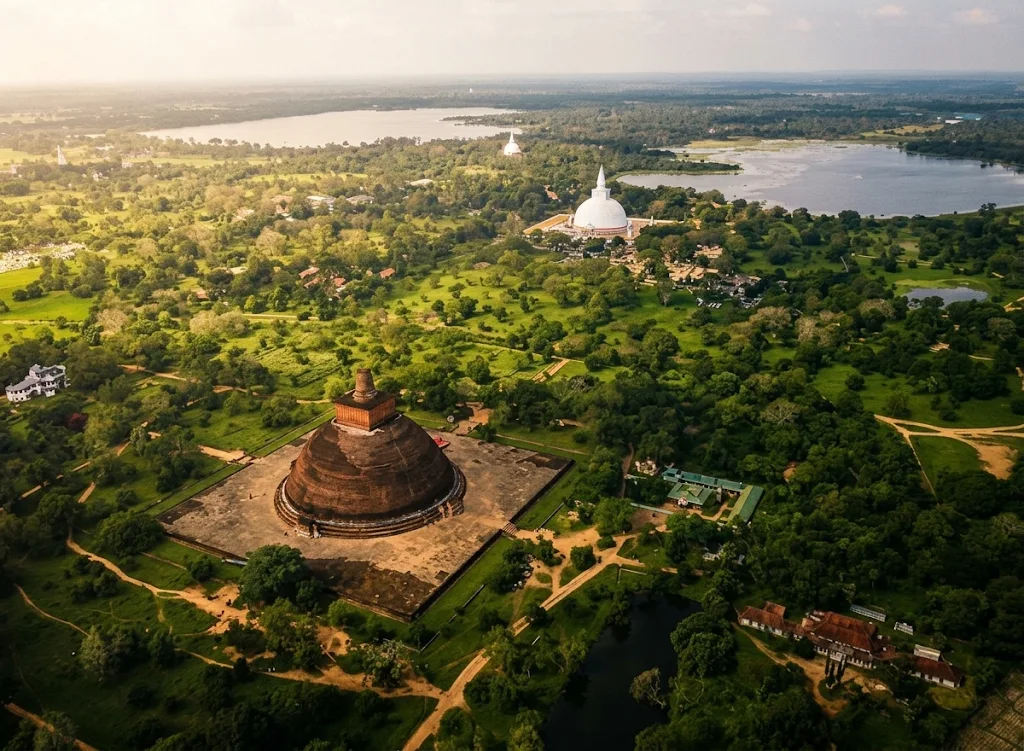
The Mahanayake Theros of the Asgiriya and Malwathu Chapters have been briefed on the proposed Anuradhapura Sacred City Development Plan, with Buddhist prelates emphasising that development must not compromise the area’s historical, religious and archaeological significance.
The briefing was conducted by a delegation of officials led by Chief of Presidential Staff Prabath Chandrakeerthi, who also serves as Co-Chairman of the Presidential Advisory Council on the Proposed Anuradhapura Sacred City Development Plan, appointed by the President.
During discussions, the Mahanayake Theros have described the Anuradhapura Sacred City as the pinnacle of Sri Lanka’s Buddhist heritage and stressed the need to ensure that all development activities respect and preserve its religious and historical importance.
They have also highlighted the archaeological sensitivity of the area, underscoring the importance of protecting sites of historical value when implementing development projects.
The discussions have covered plans to improve essential facilities for devotees visiting the Atamasthana, particularly sanitation and transportation facilities, which have been identified as important requirements for the growing number of pilgrims.
Speaking to the media after the meeting, Chandrakeerthi has said the Mahanayake Theros had expressed no objection to improving facilities for devotees, provided that such development did not threaten the heritage and archaeological value of the sacred area.
The discussions have also highlighted the importance of consulting religious authorities and other relevant stakeholders before proceeding with development activities in the historically sensitive zone.
Addressing the meeting, Asgiriya Chapter Anunayake Most Venerable Narampanawe Ananda Thero have said resolving an issue of such sensitivity through dialogue and consensus was the most appropriate approach.
The proposed development plan is expected to address infrastructure and visitor-facility requirements in the Anuradhapura Sacred City while maintaining the area’s status as one of the country’s most important centres of Buddhist worship and archaeological heritage.
The consultations with the two Buddhist chapters mark an important step in seeking religious and stakeholder input before moving forward with the proposed development programme.





Leave a comment