
By The Pulseline News Desk
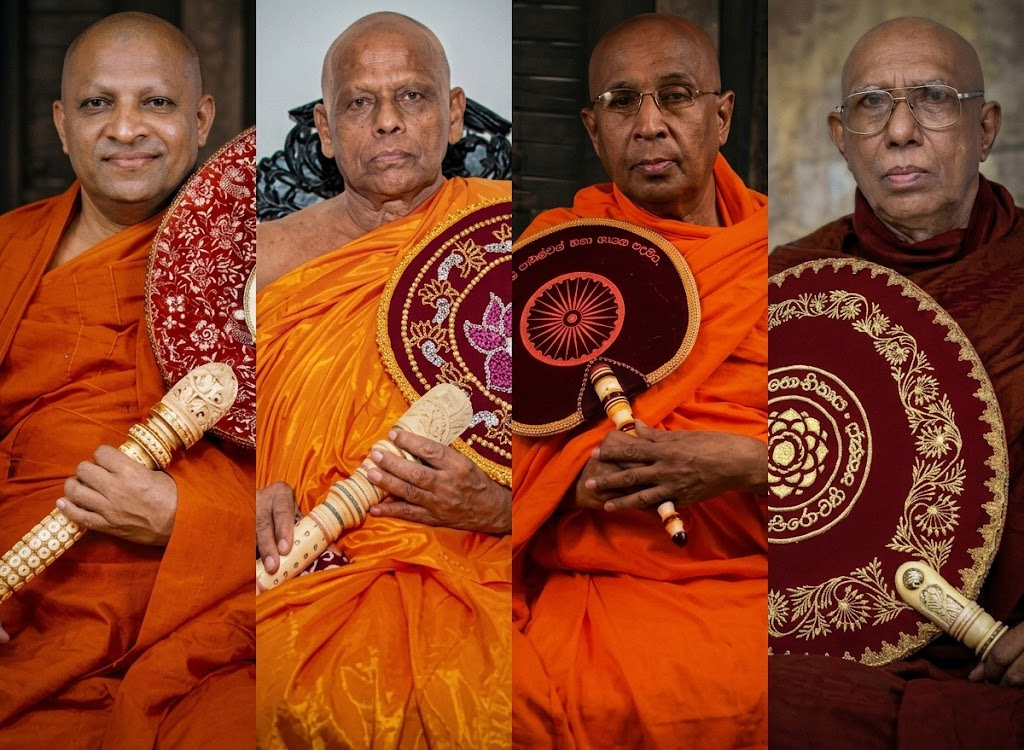
The Government’s controversial proposal to extend the retirement age of superior court judges has drawn renewed attention after the Mahanayake Theras revealed that President Anura Kumara Dissanayake has yet to respond to their letter urging the Government to reconsider the move.
Malwatta Chapter Mahanayake Most Ven. Thibbatuwawe Sri Sumangala Thera has said the Chief Prelates of the three Buddhist Chapters had written to the President expressing their concerns over the proposed constitutional amendment, but had not even received an acknowledgement that the letter had been received.
Speaking during a meeting with representatives of a human rights organisation in Kandy, the Mahanayake Thera has stressed that the Maha Sangha had historically advised rulers on matters of national importance, both verbally and in writing.
He has said that, in previous instances, authorities had at least acknowledged correspondence sent by the Mahanayake Theras.
“On this matter, however, we have not received a reply so far. We have not even been informed whether the letter was received,” the Thera has said.
The revelation comes as the Government faces growing political and legal scrutiny over its proposal to amend the Constitution to increase the retirement age of judges of the superior courts.
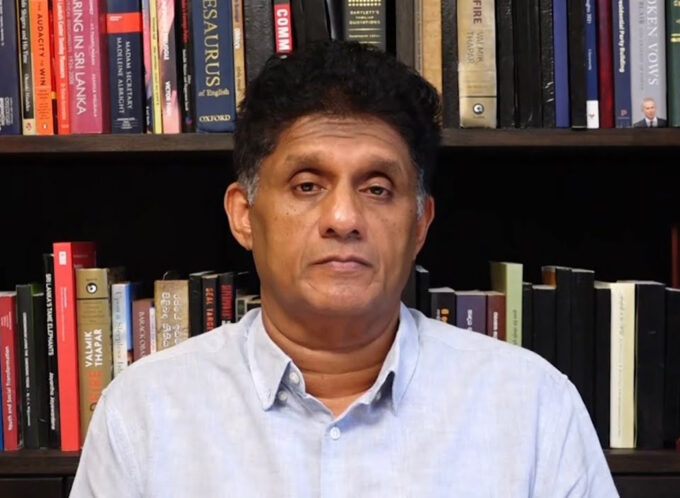
The issue gained further prominence on Wednesday (12), when opposition member of parliament (MP) Sujeewa Senasinghe made public a letter addressed to President Dissanayake by the Chief Prelates of Sri Lanka’s three Buddhist Chapters.
Senasinghe said he had obtained a copy of the letter and decided to disclose its contents amid the increasing political debate over the proposed constitutional amendment.
According to the portion of the letter made public, the Mahanayake Theras had reportedly noted that the Constitution currently provides for the retirement of Court of Appeal judges at 63 and Supreme Court judges at 65.
The Chief Prelates had expressed concern over the Government’s proposal to increase these age limits, saying they did not consider such a move appropriate.
“We believe that it is not appropriate for the Government to act in this manner to increase those age limits,” the letter had stated, according to the extract released by Senasinghe.
The Mahanayake Theras had subsequently urged the Government to reconsider the proposed amendment, signalling concern that changes to the tenure of superior court judges could have wider implications for the country’s judicial system and constitutional governance.
The centre of political debate
The proposed changes have emerged as one of the more contentious constitutional issues confronting the Government, with Opposition parties, lawyers and civil society groups questioning the timing and implications of the move.
The Government has maintained that the proposed changes are part of its legislative programme. However, critics have raised concerns about whether altering the retirement age of serving or prospective superior court judges could affect judicial independence and the institutional balance between the Executive and Judiciary.
The Bar Association of Sri Lanka (BASL) has also expressed opposition to the proposed increase in the retirement age, while other groups have raised concerns regarding the broader implications of the proposed constitutional changes.
The intervention by the Mahanayake Theras adds another significant dimension to the controversy, particularly because the letter represents a direct appeal to the President from the highest Buddhist clergy of the country.
For the Mahanayake Theras, however, the immediate concern appears to be not only the substance of the proposed amendment but also the absence of a response from the Government.
The Mahanayake Thera’s remarks indicate that the Buddhist clergy expects its concerns on matters affecting the country’s constitutional and institutional framework to receive formal consideration.
With the proposed amendment already generating political and legal controversy, the question of whether the Government will respond to the Chief Prelates — and whether their concerns will influence the final form of the legislation — is now likely to attract further public attention.







Leave a comment