
By The Pulseline News Desk
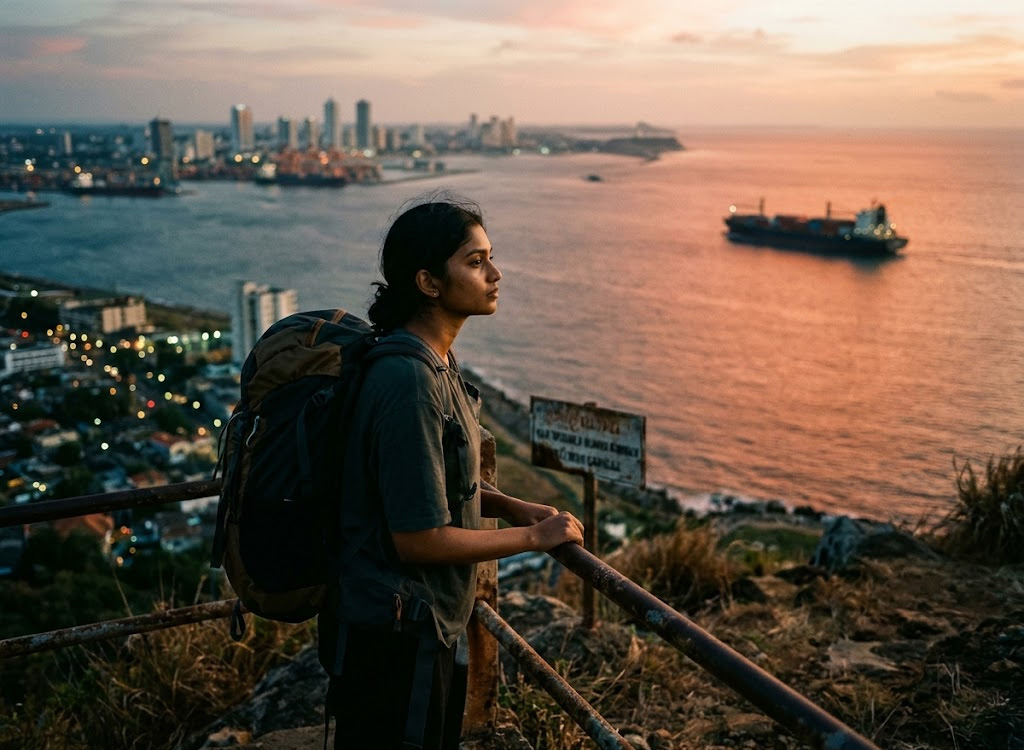
Nearly half of Sri Lanka’s young people would leave the country if given the opportunity, despite a strong sense of national identity and belonging, highlighting growing frustration over economic hardship, limited employment opportunities and uncertainty about the future, a nationwide survey has found.
The findings of the “My Sri Lanka | Next” study, conducted by Global Unites South Asia in partnership with the Centenary Movement, has reportedly revealed a widening gap between young people’s emotional attachment to Sri Lanka and their confidence in building a future here.
The survey has covered 2,418 respondents across all 25 districts, supplemented by 22 provincial consultations, focusing on the concerns and aspirations of Generation Z and younger Millennials.
According to the findings, 80% of respondents identify primarily as Sri Lankan, while 73.7% had reported a strong sense of national belonging. However, 49.1% had said they would leave the country if given the opportunity.
The inclination to migrate was even higher among Generation Z respondents, reaching 52.7%. Significantly, even among those who had reported a strong sense of national belonging, 42.4% expressed a willingness to leave.
The findings suggest that national identity alone is insufficient to retain young people when economic pressures and limited opportunities undermine their confidence in the country’s future.
Economic difficulties have emerged as a major concern, with 69.8% of respondents reporting financial stress or hardship. A further 16.6% had said they were struggling to afford basic necessities.
Financial pressure was particularly pronounced in the Northern and Eastern provinces, where 84.3% and 78.3% of respondents had respectively reported financial stress. The corresponding figure in the Western Province was 63.5%.
The study has also identified discrimination as a significant factor influencing migration intentions.
Among respondents who had experienced discrimination, 55.8% had said they were willing to leave Sri Lanka, compared with 37% among those who had not reported such experiences.
Speaking at the launch of the study, Global Unites Founder and President Prashan De Visser has warned that Sri Lanka must urgently address the grievances of its younger generation, cautioning that unresolved social and economic pressures could contribute to a recurrence of historical cycles of violence.
“As we look at Sri Lanka, our initial studies showed that almost every 15 to 18 years, we’ve experienced cycles of violence. And we are sitting at an 18-year mark,” he has said.
De Visser has stressed the need to create an environment in which young people can see a future for themselves in the country.
“Sri Lanka deserves better. Our children deserve better. We have the power to be part of that change, and that is what today is all about,” he has said.
The researchers have cautioned that willingness to migrate does not necessarily translate into actual departures. However, they have said the findings highlight the urgency of addressing economic insecurity, discrimination and the lack of opportunities to ensure that young Sri Lankans can build meaningful and sustainable futures at home.











Leave a comment