
By The Pulseline News Desk
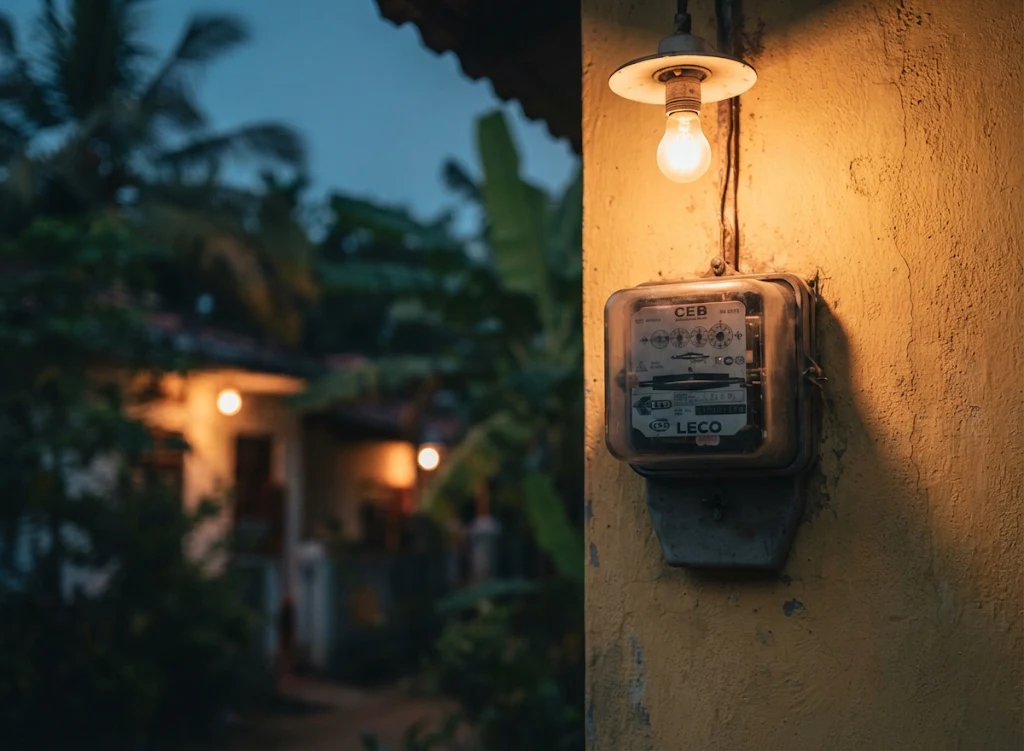
Electricity tariffs in Sri Lanka will remain unchanged during the fourth quarter of 2026, with the Public Utilities Commission of Sri Lanka (PUCSL) deciding against a proposed 2.88 percent increase after reviewing revised cost estimates submitted by the National System Operator (NSO).
The Commission has said its initial assessment of the NSO’s electricity supply cost estimates indicated the need for a 2.88 percent tariff increase for October–December.
However, following the submission of revised cost data by the NSO on November 9 and consideration of public feedback, the regulator has determined that a tariff revision was unnecessary.
Accordingly, the electricity tariff structure applicable during the third quarter of 2026 will continue throughout the final three months of the year.
The decision means electricity consumers will avoid another tariff adjustment during the final quarter, despite the initial cost projections indicating higher electricity supply costs.
Revised cost estimates prompt rethink
Under Section 29 of the Sri Lanka Electricity Act, No. 36 of 2024, the NSO is required to submit estimated electricity supply costs for future periods to the PUCSL for review.
The Commission is responsible for evaluating these estimates, obtaining public feedback and determining the applicable electricity tariffs.
The NSO was required to submit its cost estimates for the fourth quarter by August 17. However, the submission was made only on October 6, proposing a 2.88 percent increase.
The PUCSL subsequently initiated a public consultation to examine the proposed revision and obtain views from stakeholders. The consultation covered projected electricity generation costs, the proposed generation mix, energy costs, generation capacity costs and battery energy storage system capacity costs.
It also examined adjustments relating to previous revenue surpluses or deficits, revenue surpluses recorded by distribution companies and the proposed percentage of the tariff revision.
However, the NSO announced prior to the consultation that it would not seek an increase of tariffs for the fourth quarter of 2026.
Public consultation influences decision
The Commission has said the recommendations and submissions received during the public consultation were considered alongside the revised cost data submitted by the NSO on November 9.
Following the review, it has concluded that an electricity tariff revision was not required for the fourth quarter.
The decision comes amid continued scrutiny of electricity generation costs, the country’s changing energy mix and the financial implications of expanding renewable energy and battery storage capacity.
For consumers, the immediate outcome is that household and business electricity bills will continue to be calculated under the existing third-quarter tariff structure until the end of December 2026.








Leave a comment