
By The Pulseline News Desk
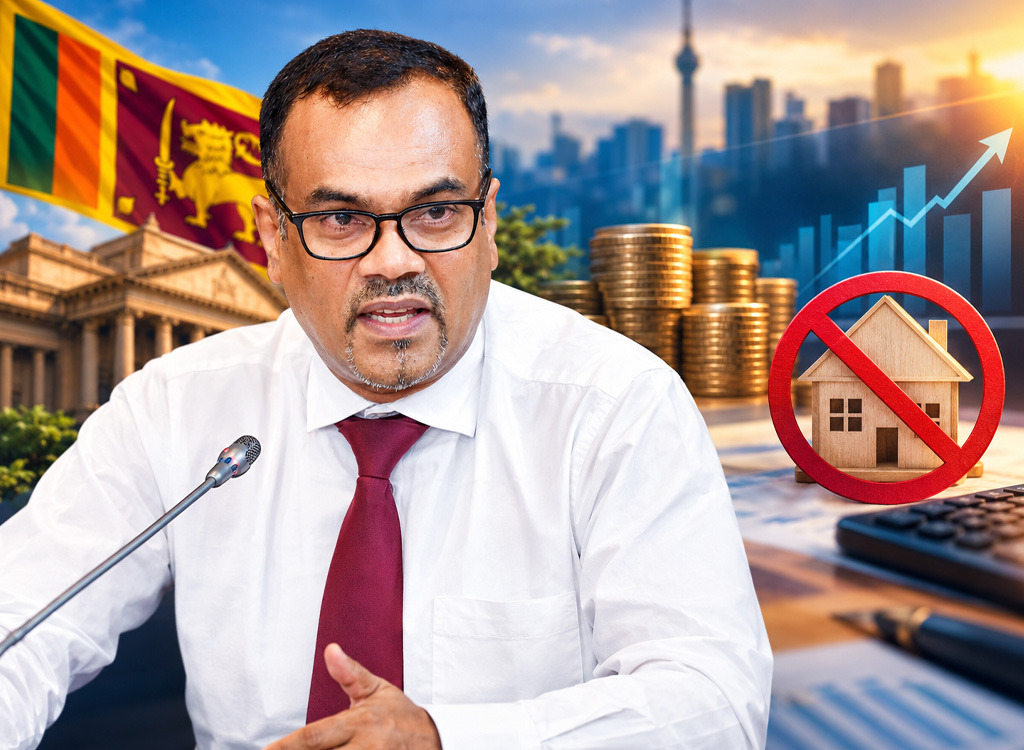
Sri Lanka will not introduce a property tax without a clear policy decision, while any changes to the country’s tax structure must preserve fiscal stability and government revenue, Deputy Minister of Finance and Planning Anil Jayantha Fernando has said.
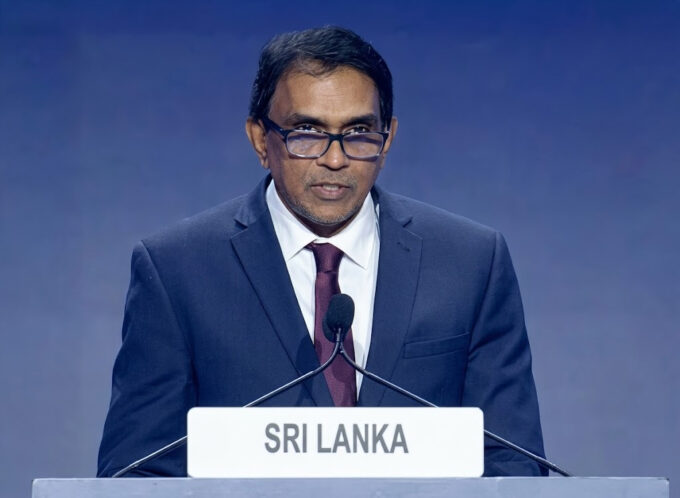
Speaking at the Institutional Investor Forum, jointly organised by the Securities and Exchange Commission of Sri Lanka (SEC) and the Colombo Stock Exchange (CSE) ahead of the presentation of the 2027 Budget on November 12, Fernando has acknowledged that the country’s indirect taxes were “super high” and that the tax structure needed reform.
However, he has stressed that the government had not decided to introduce a property tax and would not make unexpected changes to tax policy.
“There are pros and cons on having taxes. We are not going to do something unless it is clear, especially in tax policies, and that is aligned with these basic principles,” he has said, adding that no decision had been taken to implement a property tax.
Fernando has cautioned that tax reforms must not undermine the government’s efforts to consolidate public finances and strengthen revenue collection. “If that is gone, again the economy would be in real trouble,” he has warned, assuring investors that tax policy decisions would be discussed with stakeholders and communicated publicly.
Revenue targets and tax reform
Fernando has said government revenue had reached 16.7% of gross domestic product (GDP) by the end of 2025, exceeding the original target of 15.4% set for 2030.
The government expects revenue to increase to around 18% of GDP by 2030, potentially creating additional fiscal space for public investment.
He has indicated that higher revenue collection could eventually allow the government to reduce its reliance on indirect taxation. However, he has described the current 18% value-added tax (VAT) rate as relatively high while cautioning that a reduction at this stage could jeopardise revenue mobilisation.
Future tax reforms, he has said, would be guided by the principles of fairness, simplicity and convenience.
Property tax debate continues
Fernando’s remarks are consistent with President Anura Kumara Dissanayake’s position last month that the 2027 Budget would not introduce a property tax. The President had argued that property is acquired using income on which taxes have already been paid.
A nationwide property tax was among the revenue measures agreed under Sri Lanka’s International Monetary Fund (IMF) programme in 2023. The proposal was subsequently replaced by a planned tax on imputed rental income, initially scheduled for April 2025, but the measure was dropped following the November 2024 general election.
The property tax issue has since remained part of the broader debate over how Sri Lanka can increase government revenue while easing the burden on households and businesses.
The IMF has reportedly pressed for a tax on secondary residential properties to be included in the 2027 Budget. However, the government maintains that its planned revenue measures will be sufficient to meet its fiscal targets.
With the Budget scheduled for presentation on November 12, the government faces the challenge of balancing demands for tax reform with the need to sustain revenue collection, maintain fiscal discipline and create room for public investment.









Leave a comment