
By The Pulseline News Desk
Sri Lanka is assessing the potential of nuclear energy to meet its future electricity requirements, with the Government emphasising that any decision to introduce nuclear power must be guided by safety, affordability, energy security and international safeguards.
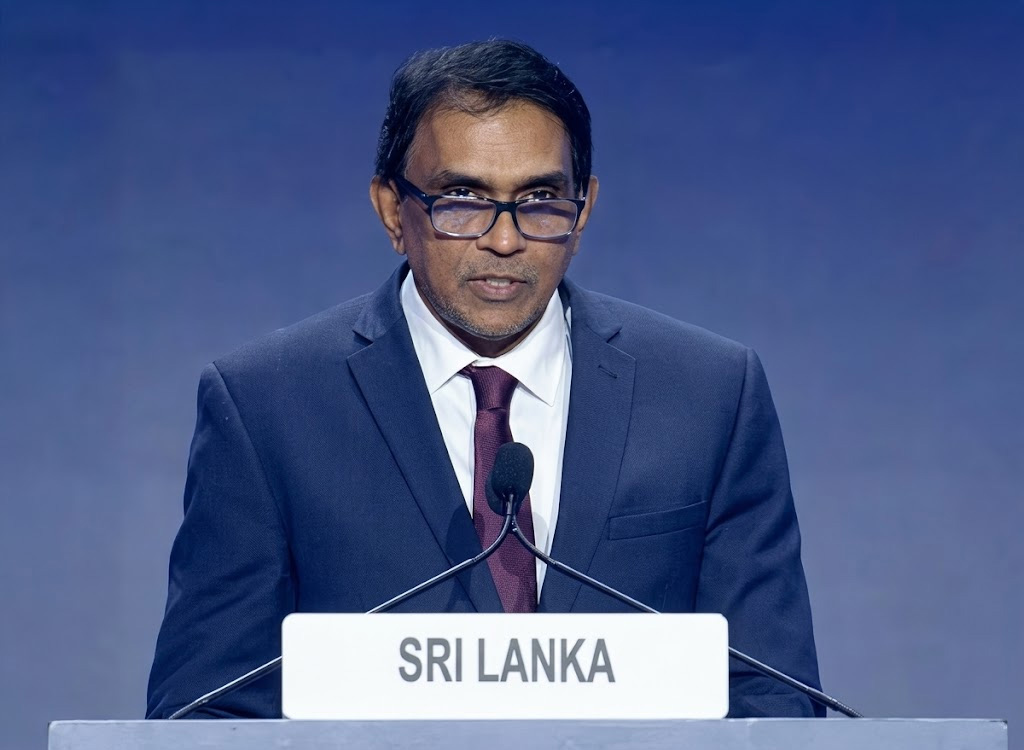
Minister of Science and Technology Prof. Chrishantha Abeysena outlined the Government’s position while representing Sri Lanka at the Sixth International Ministerial Conference on Nuclear Energy, organised by the International Atomic Energy Agency (IAEA) in Incheon, South Korea.
The Minister attended the conference alongside Sri Lanka Atomic Energy Board Chairperson Prof. Tushara Ratnayake and a Sri Lankan delegation.
Addressing the conference, Prof. Abeysena said Sri Lanka was committed to developing a reliable, affordable and sustainable electricity system and was examining whether nuclear energy could contribute to achieving these objectives.
He stressed that the Government’s intention was not simply to introduce nuclear power, but to establish whether it could deliver tangible benefits to the country and support the development of a reliable, low-carbon electricity supply, according to a statement issued by the Ministry of Science and Technology.
Safety and safeguards remain priorities
The Minister highlighted the importance of evidence-based decision-making, robust institutional frameworks and international cooperation in determining the role nuclear energy could play in Sri Lanka’s long-term energy strategy.
He also expressed the expectation that international partners would support the country’s ongoing nuclear energy study and planning programme.
The assessment comes as Sri Lanka continues to consider options for strengthening its electricity supply while advancing towards a more sustainable energy mix.
However, nuclear power development involves significant considerations, including plant safety, radioactive waste management, security, financing, technical expertise and compliance with international safeguards.
The Government’s emphasis on these areas indicates that Sri Lanka’s current approach is focused on evaluating the feasibility and potential benefits of nuclear energy rather than committing to its immediate introduction.
Global interest in nuclear power
The ministerial conference brought together ministers, policymakers, senior government officials and nuclear energy experts to examine the contribution of nuclear power to meeting growing demand for clean energy.
Discussions covered the potential of nuclear energy to strengthen energy security, improve the resilience of electricity systems and support sustainable development, alongside the challenges and opportunities associated with developing and deploying nuclear technologies.
International Atomic Energy Agency (IAEA) Director General Rafael Mariano Grossi also participated in the conference.
The event coincided with the release of the IAEA report titled Global Nuclear Power Development Outlook, which examines developments and prospects in the global nuclear power sector.
For Sri Lanka, the ongoing assessment is expected to help determine whether nuclear energy could form part of a long-term strategy to ensure a secure, reliable and lower-carbon electricity supply.
Any future decision will depend on the findings of the country’s study, its ability to establish the necessary regulatory and technical capabilities, and whether nuclear power can meet Sri Lanka’s economic, environmental and energy security objectives.










Leave a comment