
By The Pulseline News Desk
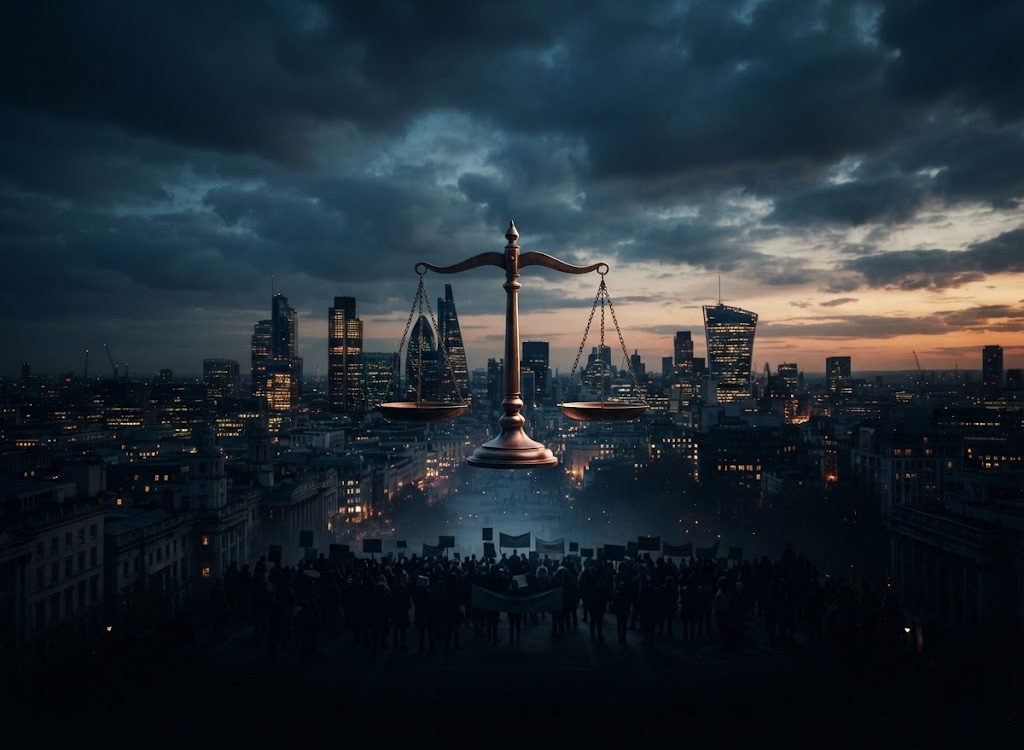
Sri Lanka’s attempt to replace its controversial Prevention of Terrorism Act (PTA) with a new Protection of the State from Terrorism Bill (PSTA) has opened a fresh debate over where the line should be drawn between national security and the protection of democratic freedoms.
The Bill, gazetted on September 22, seeks to repeal the Prevention of Terrorism (Temporary Provisions) Act No. 48 of 1979, which has remained in force for more than four decades.
While the Government has presented the proposed legislation as a replacement for the existing counter-terrorism framework, the Frontline Socialist Party (FSP) has raised concerns that several provisions could potentially be applied to political and civil society activity, particularly in situations involving protests, trade union action and opposition to Government policies.
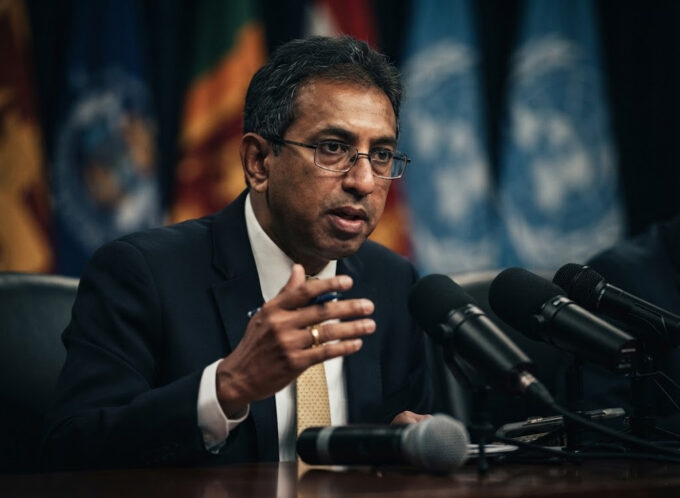
Speaking at a media briefing, FSP Education Secretary Pubudu Jayagoda focused on what he described as several areas of concern in the proposed legislation, including the definition of terrorism, detention powers and the authority given to the armed forces.
The definition at the centre of the controversy
One of the most significant issues raised by the FSP is the proposed definition of terrorism.
Jayagoda has pointed to provisions dealing with actions undertaken with a political or ideological objective to compel a government or an international organisation to do, or refrain from doing, something.
His argument is that the breadth of such language could create room for different interpretations, potentially bringing activities such as trade union campaigns, student protests, farmer demonstrations or civil society campaigns within the scope of counter-terrorism legislation if they are considered to be aimed at compelling the Government to change a policy or decision.
The Government has previously stated that the proposed legislation contains safeguards to ensure that peaceful demonstrations, legitimate trade union activity, media freedom and lawful criticism of the Government would not, in themselves, amount to terrorism.
The central question, therefore, is not simply what the Bill identifies as terrorism, but how those provisions would ultimately be interpreted and applied by law-enforcement authorities and the courts.
Detention powers under the microscope
The proposed detention regime has also emerged as another major point of contention.
Critics have questioned the authority granted to the Secretary to the Ministry of Defence to issue detention orders, arguing that such powers could have significant consequences for individual liberty.
The Bill, however, has proposed judicial oversight mechanisms that differ from the existing framework. Under the proposed provisions, the initial detention period can run for two months, while any extension beyond that period would require prior approval from the High Court.
The legislation also provides for mechanisms including independent review committees and oversight by the Human Rights Commission of Sri Lanka.
Whether these safeguards would provide sufficient protection against arbitrary detention is likely to become an important issue during the parliamentary and legal scrutiny of the Bill.
Military role raises another question
Another provision highlighted by the FSP is Section 19, which provides powers to members of the armed forces in relation to searches and arrests.
The party has argued that expanding such powers could affect the traditional division between the responsibilities of the police and the military in civilian law enforcement.
The issue is particularly significant because the debate over counter-terrorism legislation in Sri Lanka has historically extended beyond the question of preventing terrorism to broader concerns about detention, law-enforcement powers, accountability and the protection of fundamental rights.
Economic pressure adds a political dimension
The FSP has also sought to place the proposed legislation within the country’s wider socio-economic context.
Jayagoda, citing IMF and World Bank assessments, has pointed to pressures including youth unemployment and the rising cost of living, arguing that economic difficulties could contribute to increased public dissatisfaction.
The party has therefore questioned whether the Government’s new counter-terrorism framework could eventually be used in dealing with protests arising from economic and social grievances.
That argument has placed the PSTA debate within a broader political question: whether counter-terrorism legislation should remain narrowly focused on threats involving terrorism, or whether its provisions could potentially intersect with wider forms of public mobilisation.
Parliament becomes next battleground
The controversy is now likely to move from political statements and civil society criticism to the formal legislative process.
Following its publication in the Gazette, the Bill is expected to be presented to Parliament, where its provisions can be debated and potentially amended during the committee stage.
Its constitutional validity may also be challenged before the Supreme Court in accordance with the procedures applicable to Bills presented to Parliament.
The coming weeks could therefore see a much wider debate over the Government’s proposed replacement for the PTA — not only over how Sri Lanka defines and responds to terrorism, but also over the safeguards required to ensure that national security powers do not encroach upon legitimate political activity, protest and civil liberties.
For a country that has lived under the PTA for more than 40 years, the real test of the proposed PSTA may ultimately lie not only in the powers it grants the State, but in the limits it places on the use of those powers.











Leave a comment