
By The Pulseline News Desk
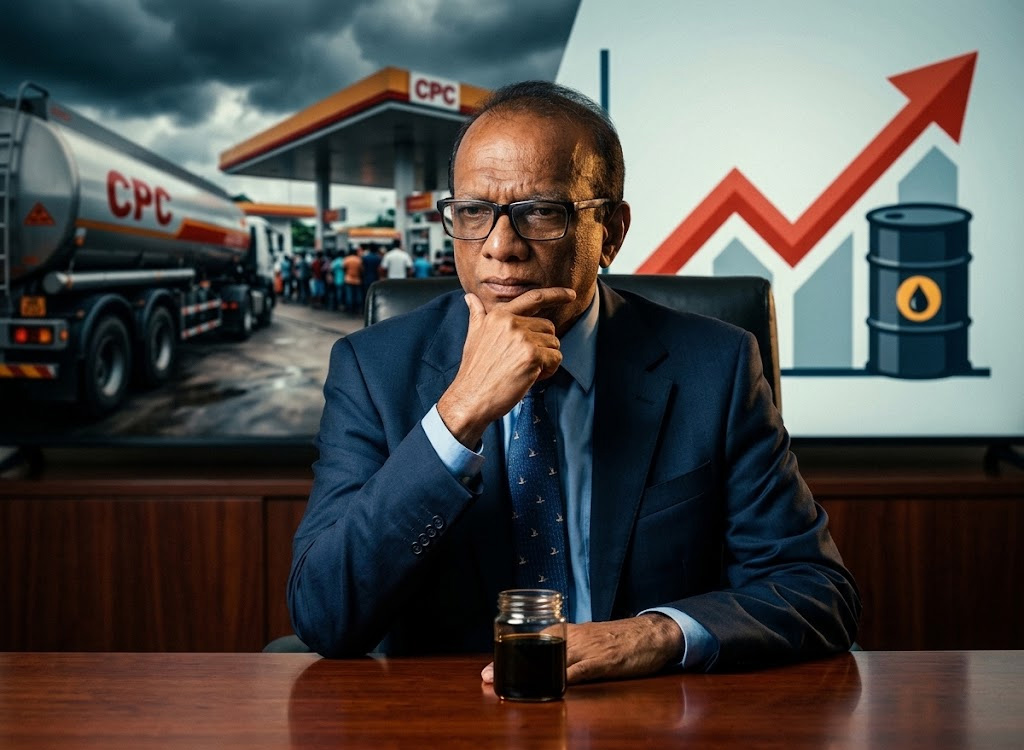
Sri Lanka’s fuel pricing policy could come under renewed pressure in the coming weeks, with the Energy Ministry preparing to review the rising cost of fuel imports and consider either a fresh government subsidy or another mechanism to cover mounting losses.
Energy Minister Anura Karunatillake has told the media that the ministry expects to complete a review of current fuel import expenses within the next two weeks, as international prices of petrol, diesel and crude oil continue to affect the cost of supplying fuel to the domestic market.
The Minister has said the Government may seek the Rs. 15 billion subsidy previously provided to offset fuel-related costs but subsequently suspended, depending on the outcome of the review.
Alternatively, the ministry could recommend a revision of domestic fuel prices or another measure to compensate for the increased import costs.
Global prices put pressure on fuel costs
The latest developments come as global oil prices continue to influence Sri Lanka’s import bill.
Karunatillake has noted that international market prices for petrol, diesel and crude oil were having a direct impact on the cost of fuel imports, making an assessment of the current situation necessary before deciding on the next step.
Sri Lanka’s fuel pricing formula is designed to reflect movements in international prices and other import-related costs. However, any decision to increase domestic prices is politically and economically sensitive, particularly because fuel prices have a direct impact on transport, electricity generation, food distribution and the wider cost of living.
The Government therefore faces a choice between absorbing part of the additional cost through public funds or passing some of the increase on to consumers.
No price revision in August
The Minister has stated that the last monthly fuel price revision was carried out in June, with the revised prices coming into effect in July.
Fuel prices were not adjusted during August.
That decision now comes under renewed scrutiny as the cost of importing fuel continues to rise.
If international prices remain elevated, the absence of a domestic price adjustment could increase the financial pressure on the Ceylon Petroleum Corporation (CPC), particularly if it is required to sell fuel below its actual landed cost.
Diesel becomes a major concern
CPC Chairman Janaka Rajakaruna, meanwhile, has told the media that diesel prices have been increasing and that current fuel prices are 48% higher than they were in February, when the West Asian war broke out.
He has said the increase in the cost of fuel was being compounded by higher insurance premiums and transportation expenses.
The CPC obtains petroleum products from suppliers in several countries, including India, Singapore and South Korea, among other sources.
However, diversification of suppliers has not insulated Sri Lanka from the impact of higher international prices.
“Prices remain a concern,” Rajakaruna has said, pointing to the continuing pressure on the corporation’s import costs.
Subsidy or price increase?
The Energy Ministry’s forthcoming review could therefore determine whether the Government once again intervenes financially or allows domestic prices to rise.
A fresh subsidy would help shield consumers from an immediate increase in pump prices but would place an additional burden on government finances at a time when fiscal consolidation remains a key policy priority.
A price revision, on the other hand, could allow the CPC to recover a greater share of its import costs but would likely increase transportation and operating expenses across the economy.
For consumers, the immediate focus will be on whether the Government chooses to absorb the additional cost or pass it on through the monthly pricing mechanism.
Decision expected within weeks
The Energy Ministry is expected to complete its assessment within the next two weeks, after which the Government could face a fresh decision on fuel prices.
The outcome will depend largely on international oil prices, the latest import costs and the financial position of the CPC.
With diesel prices already under significant pressure and insurance and transport costs also rising, the Government’s next move could have wider implications for Sri Lanka’s inflation, transport costs and household budgets.
The coming weeks could therefore determine whether the country sees another round of fuel price adjustments — or whether the Government opts to cushion consumers through renewed financial support.











Leave a comment